City preview · AMSTERDAM

Amsterdam’s canal warehouses became homes

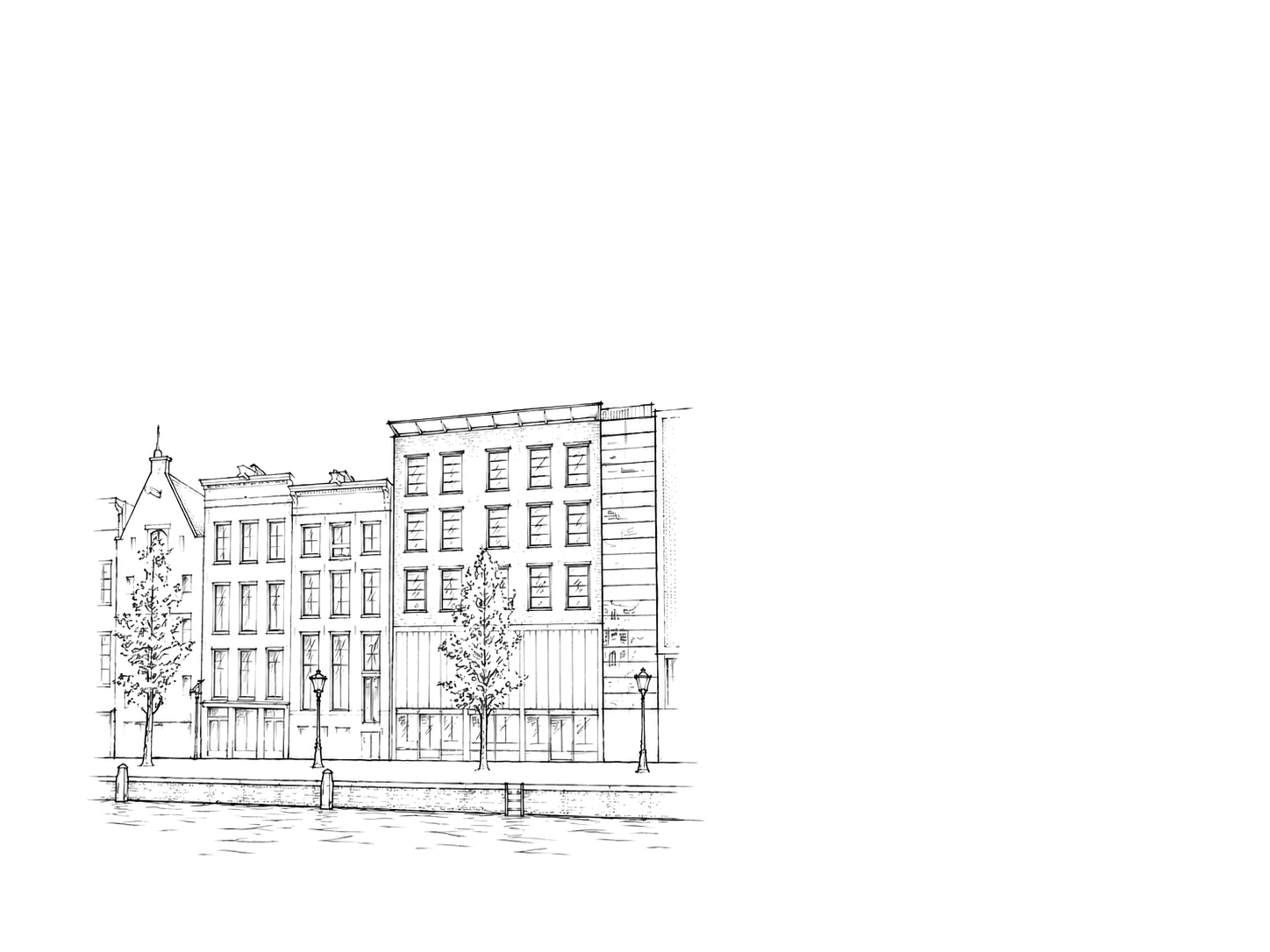
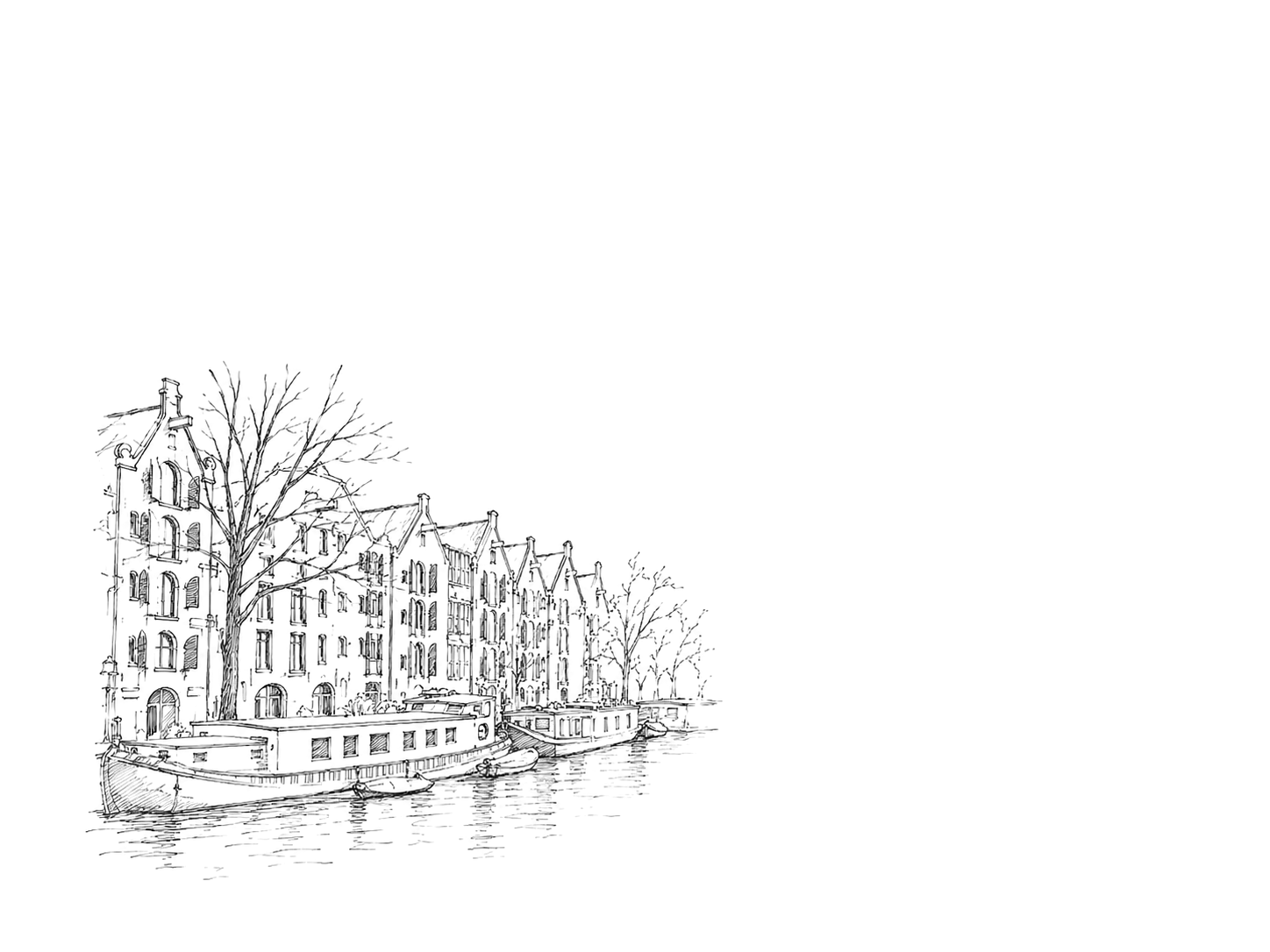
On Brouwersgracht, broad loading openings and hoists remain on warehouses now used as homes. Albert Cuyp Market sells produce, fish and syrup-filled waffles. Cyclists pass straight through the Rijksmuseum, while the rooms behind Anne Frank’s father’s business record a very different daily routine: eight people keeping quiet above a working warehouse.

4 web previews 99 stories in the app

Brouwersgracht — Oranjebrug · Editorial illustration, not a historical photo

Canal homes, market stalls and rooms behind a bookcase

Warehouse doors, syrup waffles, a bicycle passage and a concealed bookcase

Four complete stories and their public sources are shown here; the rest of the collection is in the app.

01 · Brouwersgracht — Oranjebrug

Warehouse doors beside the canal

Wide openings and lifting gear recall deliveries from the water.

Brouwersgracht takes its name from breweries once clustered here. Rows of warehouses also remain beside the canal. Large openings, wooden doors and lifting gear high above helped move cargo between floors, with the water directly outside. Many warehouses later became homes. Their broad facades still distinguish them from the slender canal houses nearby.

Source: en.wikipedia.org
02 · Albert Cuypstraat

From pushcarts to a street market

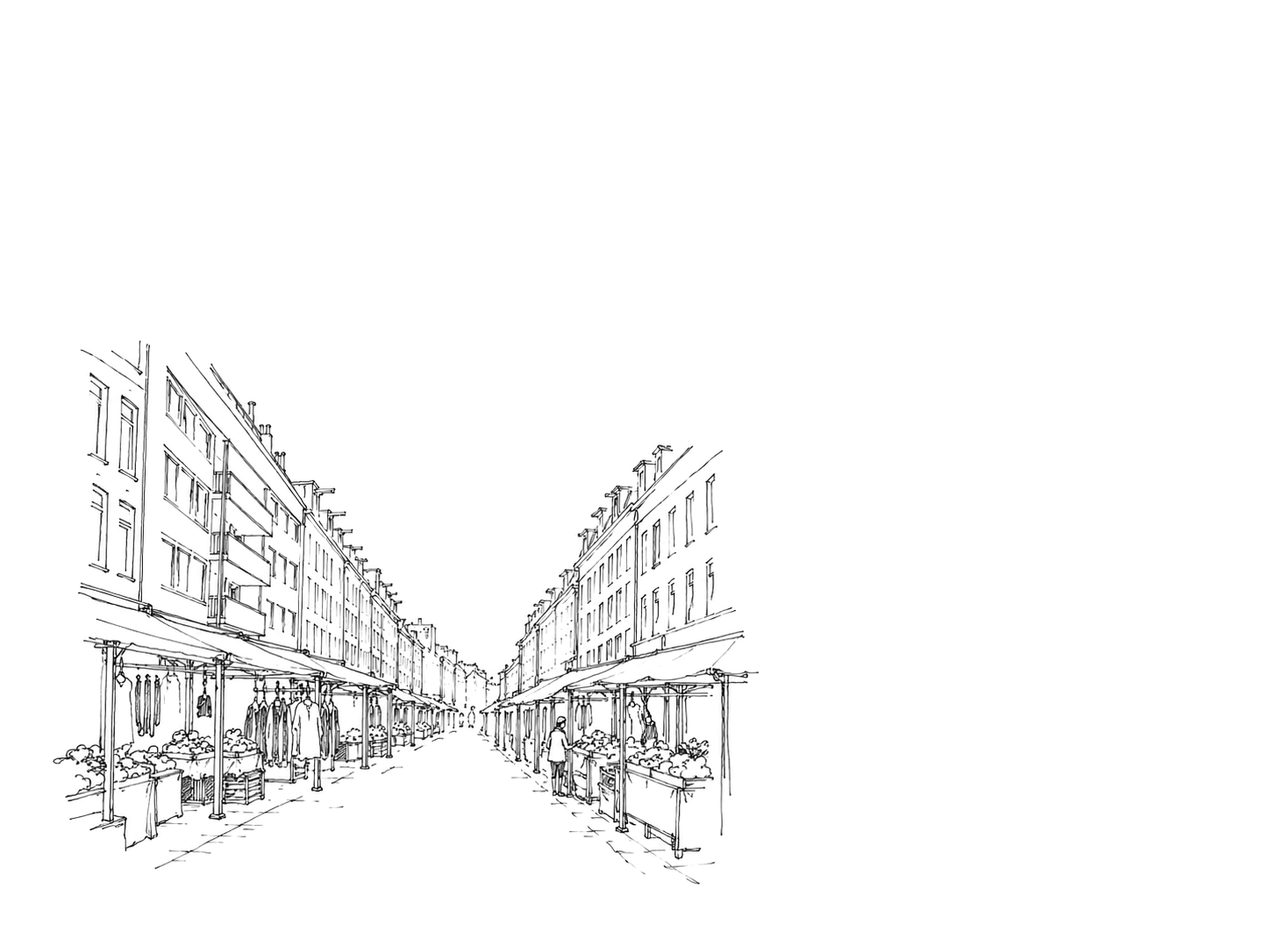
Permanent shops stand just behind the market stalls.

Mobile vendors and pushcarts first gathered here. In 1905, the city organized the scattered trade into a market, later extended to six daytime sessions a week. Fruit, vegetables, fish, clothes and street food share the road, with permanent shops behind the stalls. Stroopwafels are a familiar Dutch snack here: two thin waffles sandwich syrup, sometimes assembled fresh at the stall.

Source: en.wikipedia.org Source: albertcuyp-markt.amsterdam

03 · Rijksmuseum Passage

Cycling through the museum

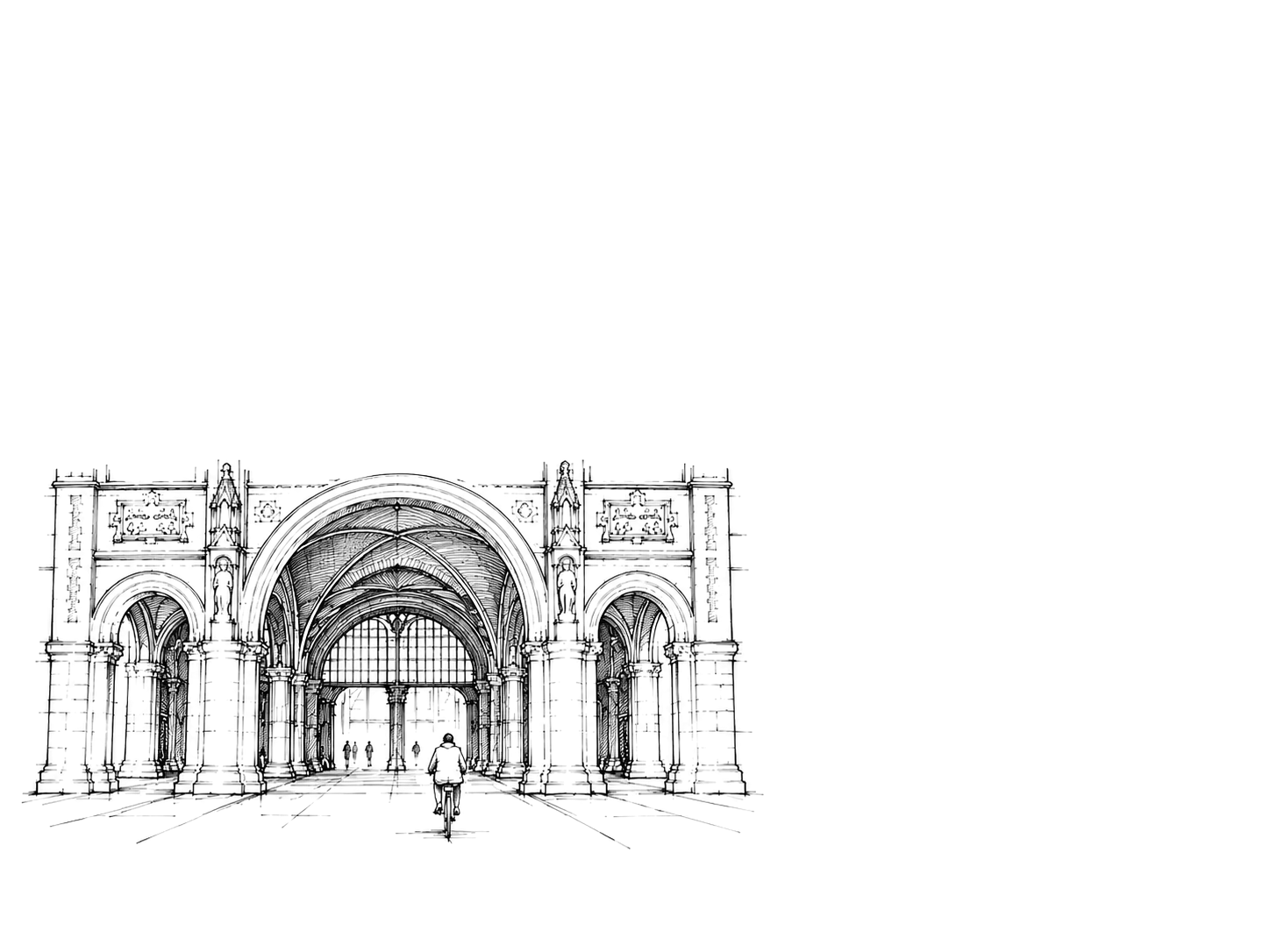
The route through the museum stays open to passing cyclists.

A public passage runs through the center of the Rijksmuseum. Cyclists ride through its arches toward Museumplein. The atriums on either side were remodeled as entrance spaces, linked beneath the passage, and glass lets people passing through see into the museum. Visitors and commuters take different routes within the same building.

Source: rijksmuseum.nl Source: rijksmuseum.nl

04 · Anne Frank House

Behind the bookcase

A hinged bookcase concealed the entrance to the annex.

In 1942, Anne Frank's family went into hiding behind her father's business. A helper built a hinged bookcase to conceal the entrance. While people worked in the warehouse below, those hiding upstairs had to limit footsteps and noise from the plumbing. Anne wrote in her diary and pinned pictures of film stars and scenery to her bedroom walls. Eight people spent more than two years hiding in these rooms.

Source: en.wikipedia.org Source: annefrank.org Source: annefrank.org

Continue in the app

Carry all 99 Amsterdam stories with you

Read without location access. Pass-by reminders are optional, and precise location is never uploaded.