City preview · ASHEVILLE

Asheville hides lifts inside stone fireplaces

Grove Park Inn concealed lifts in its massive fireplace chimneys. At Biltmore, dumbwaiters and call bells helped staff coordinate meals and service. Thomas Wolfe put his mother’s boarding house into a novel. Local woodworkers studied a loom bought in Scotland and made copies of their own.

4 web previews 57 stories in the app

The Omni Grove Park Inn & Spa · Editorial illustration, not a historical photo

A mountain hotel, estate workrooms and a weaving workshop

Fireplace lifts, servants’ bells, a boarding house and a Scottish loom

Four complete stories and their public sources are shown here; the rest of the collection is in the app.

01 · The Omni Grove Park Inn & Spa

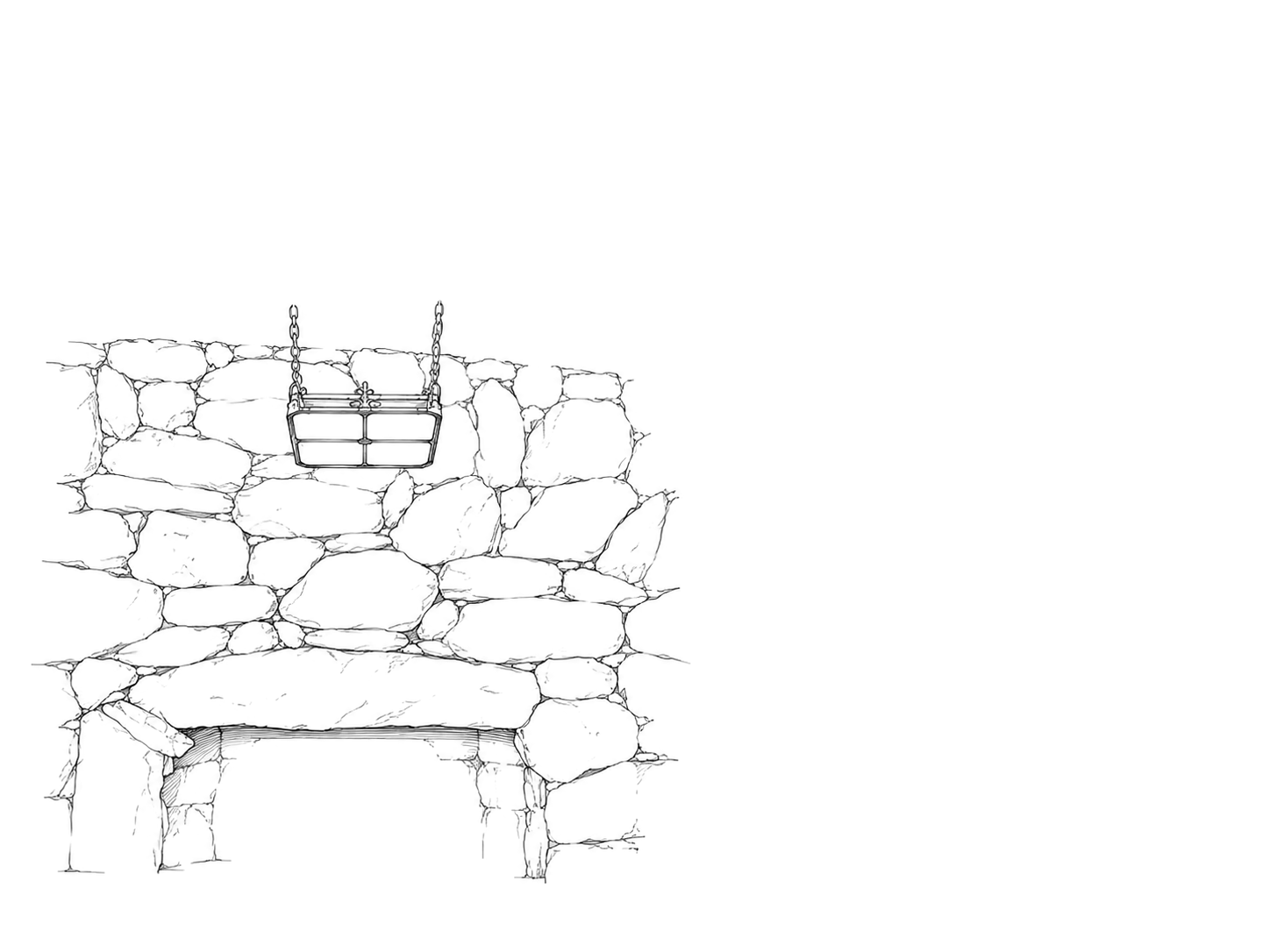
Elevators inside stone fireplaces

Modern machinery hid inside the stone chimneys.

Grove Park Inn opened in 1913 with a broad lobby built from locally quarried granite and a huge fireplace at each end. Inside the stone chimneys, elevators carried guests upstairs. Rough rock, long timbers and simple furniture gave the hall a handmade appearance while modern equipment operated within it.

Source: ncpedia.org
02 · Biltmore House

A bell in the bedroom, work in the pantry

Bells and dumbwaiters coordinated the household service.

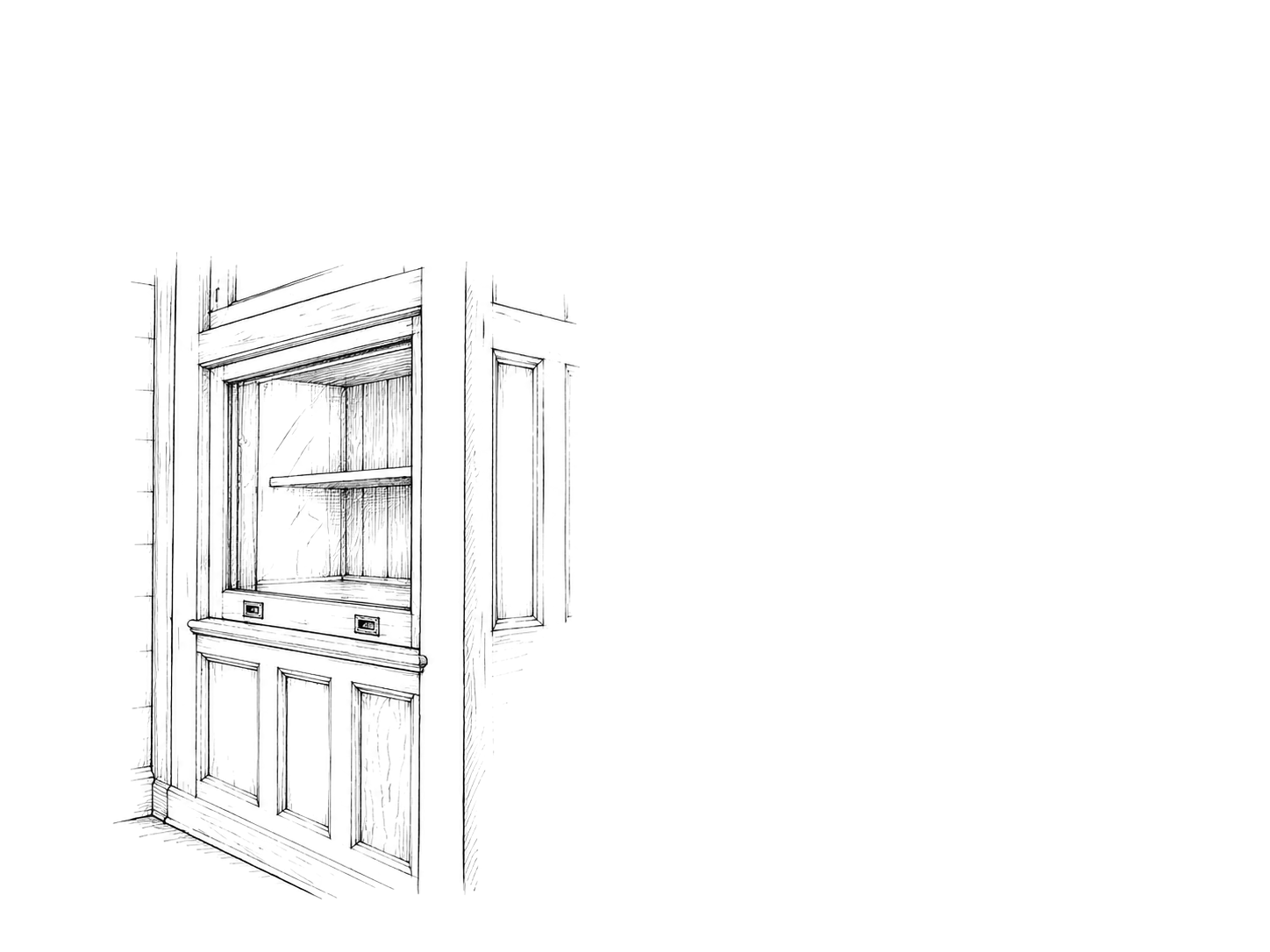
Biltmore's butler's pantry stands above the basement kitchen. Food arrived by small service lifts and other means, then was plated for staff to carry out. A guest pressing a bedroom button rang an indicator bell outside the pantry. The butler assigned staff and used a telephone to reach other floors. These devices organized meals and responses throughout the house.

Source: biltmore.com

03 · Thomas Wolfe Memorial State Historic Site

The boardinghouse became a novel

His mother's business became the novel's Dixieland.

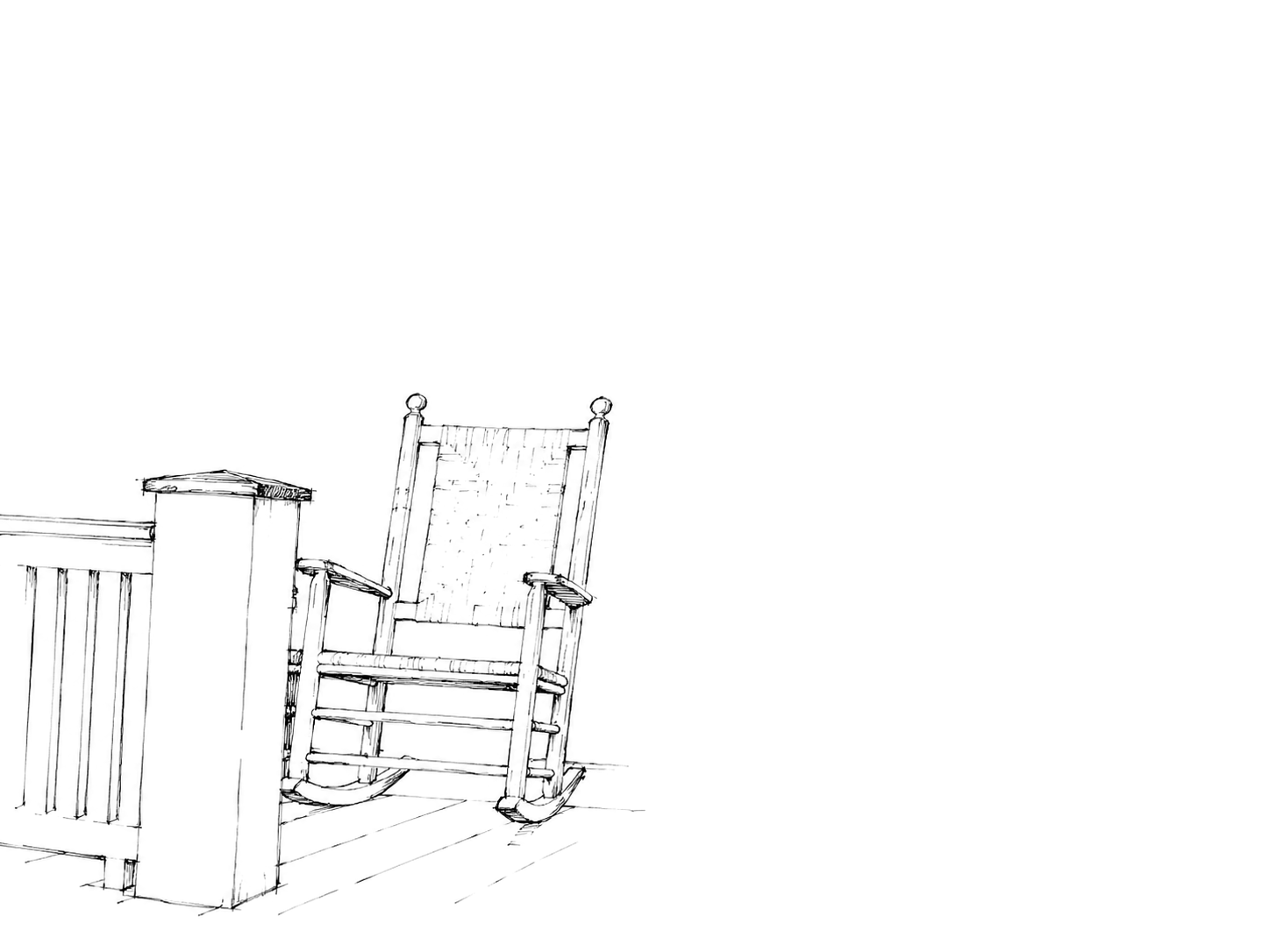
Thomas Wolfe moved into his mother Julia's boardinghouse in 1906. Guests came and went; in 1916 she added rooms and indoor plumbing as the business expanded. Wolfe later turned the house into Dixieland in Look Homeward, Angel. Today's rooms are arranged as they were around 1916, largely with original furniture used by the family and boarders.

Source: historicsites.nc.gov Source: historicsites.nc.gov

04 · Biltmore Industries Homespun Museum

A Scottish loom became a local model

Local carpenters copied a loom brought from Scotland.

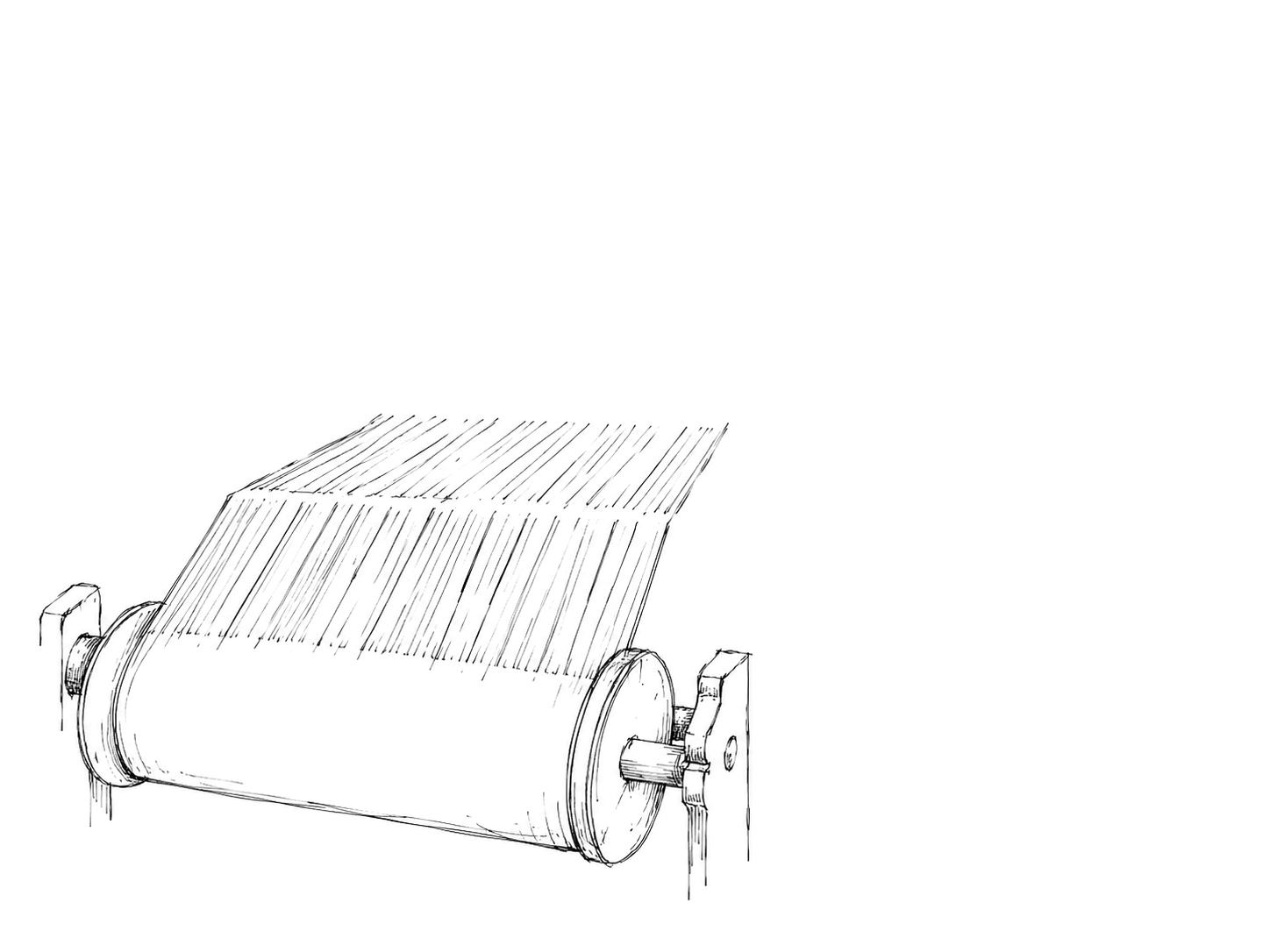
Biltmore's craft enterprise began with woodcarving instruction before moving into handwoven wool. Edith Vanderbilt sent Eleanor Vance and Charlotte Yale to Britain to learn, and bought a loom from a mill in Killin, Scotland. Local carpenters studied and copied it. In 1917, the industry moved to today's Grovewood area, where weaving and woodworking shared the site.

Source: grovewood.com Source: grovewood.com

Continue in the app

Carry all 57 Asheville stories with you

Read without location access. Pass-by reminders are optional, and precise location is never uploaded.