City preview · ATLANTA

Atlanta’s BeltLine began in a master’s thesis

Ryan Gravel proposed reusing the old railway corridor in his thesis. The BeltLine followed years of work by residents, planners and local organisations. Downtown, raised streets left older shopfronts below. Mary Mac’s diners write their orders in pencil, while the Marriott Marquis atrium became a setting for The Hunger Games: Catching Fire.

4 web previews 74 stories in the app

The Atlanta Beltline Eastside Trail · Editorial illustration, not a historical photo

A railway path, raised streets and a hotel on film

A thesis, lower-level streets, order pencils and a Capitol lift

Four complete stories and their public sources are shown here; the rest of the collection is in the app.

01 · The Atlanta Beltline Eastside Trail

The thesis that proposed reusing the rails

A graduate student joined old rail lines on paper.

In his 1999 master's thesis at Georgia Tech, Ryan Gravel proposed reusing old railroad lines forming a rough ring around downtown to link transit and public spaces. Residents, planners and local institutions took the idea forward. The Eastside Trail opened in 2012, its curves and gentle grades following the old railroad corridor. People now walk, run and ride bikes along it.

Source: beltline.org

02 · Underground Atlanta

The underground street began at ground level

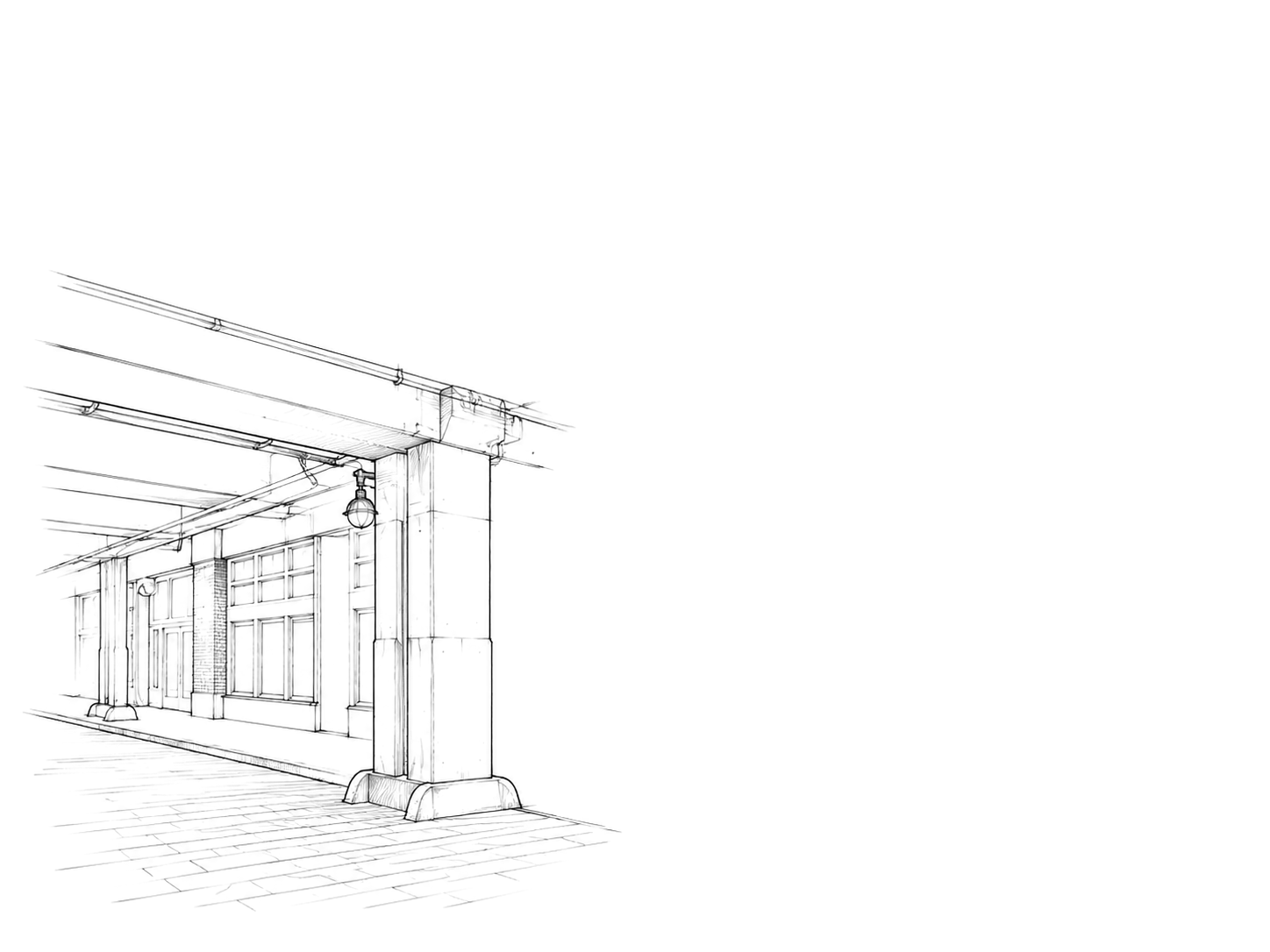
The streets rose; the old shopfronts stayed below.

Heavy railroad traffic through downtown needed streets above it for pedestrians and vehicles. A network of viaducts completed in 1928 raised parts of the street by more than a floor. Businesses moved upstairs, using their old ground floors for storage and service work. Underground Atlanta later reused those lower street sections. They became "underground" because the street above had risen.

Source: en.wikipedia.org

03 · Mary Mac's Tea Room

Write down what you want

The pencil on the table is for your order.

At Mary Mac's, customers find a pencil and order form on the table and write down their meal choices themselves. What began as a single dining room in 1945 grew into six rooms across several storefronts. The pencil-and-paper system stayed, noted by visitors and in interviews with the operators.

Source: marymacs.com Source: restaurantinformer.com Source: aletiadupree.com

04 · Atlanta Marriott Marquis

The Capitol's elevators were hotel elevators

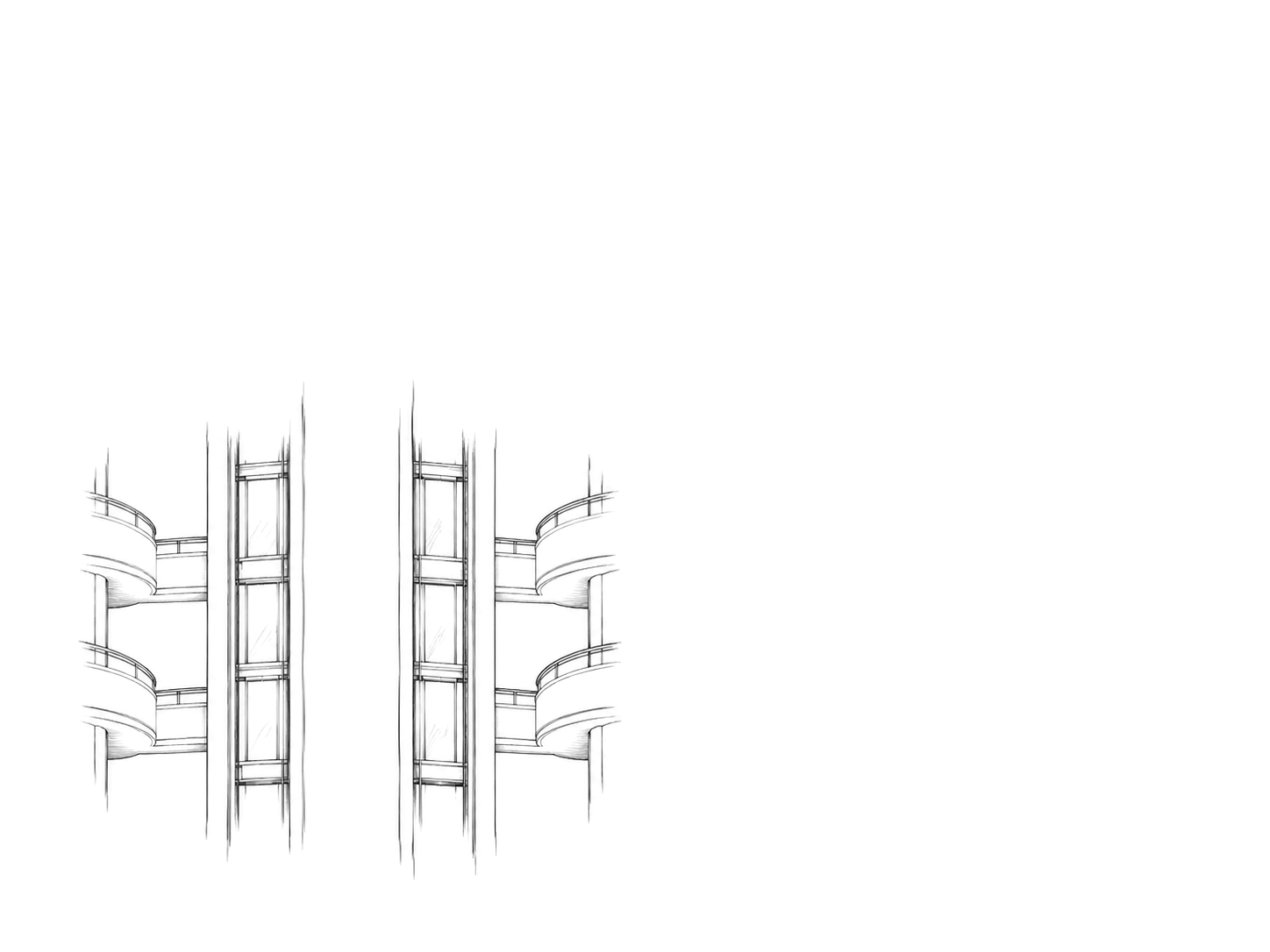
Catching Fire borrowed this atrium for the Capitol.

The elevator scenes leading to the Capitol accommodation in The Hunger Games: Catching Fire were filmed at the Marriott Marquis. Completed in 1985, the hotel has an atrium running through the building. Elevator shafts and bridges divide it into two tall spaces, with curved floors stacked above. The production used this existing interior.

Source: en.wikipedia.org Source: discoveratlanta.com

Continue in the app

Carry all 74 Atlanta stories with you

Read without location access. Pass-by reminders are optional, and precise location is never uploaded.