City preview · CANCÚN

Cancún, from a sandy coast to a resort city

At Playa Delfines, water depth and the seabed help explain the sea’s shades of blue and green. Resort planners also needed fresh water, road access and room to expand. A cup-shaped water tower served the early city. Along the coast, fragments of shells and marine skeletons form part of the white sand.

4 web previews 63 stories in the app

Playa Delfines, " El mirador " · Editorial illustration, not a historical photo

The color of the sea and the work of building a resort city

Blue-green water, a resort site, a cup-shaped tower and grains of white sand

Four complete stories and their public sources are shown here; the rest of the collection is in the app.

01 · Playa Delfines, " El mirador "

The sea's shades of blue and green

The seabed helps give the sea its color.

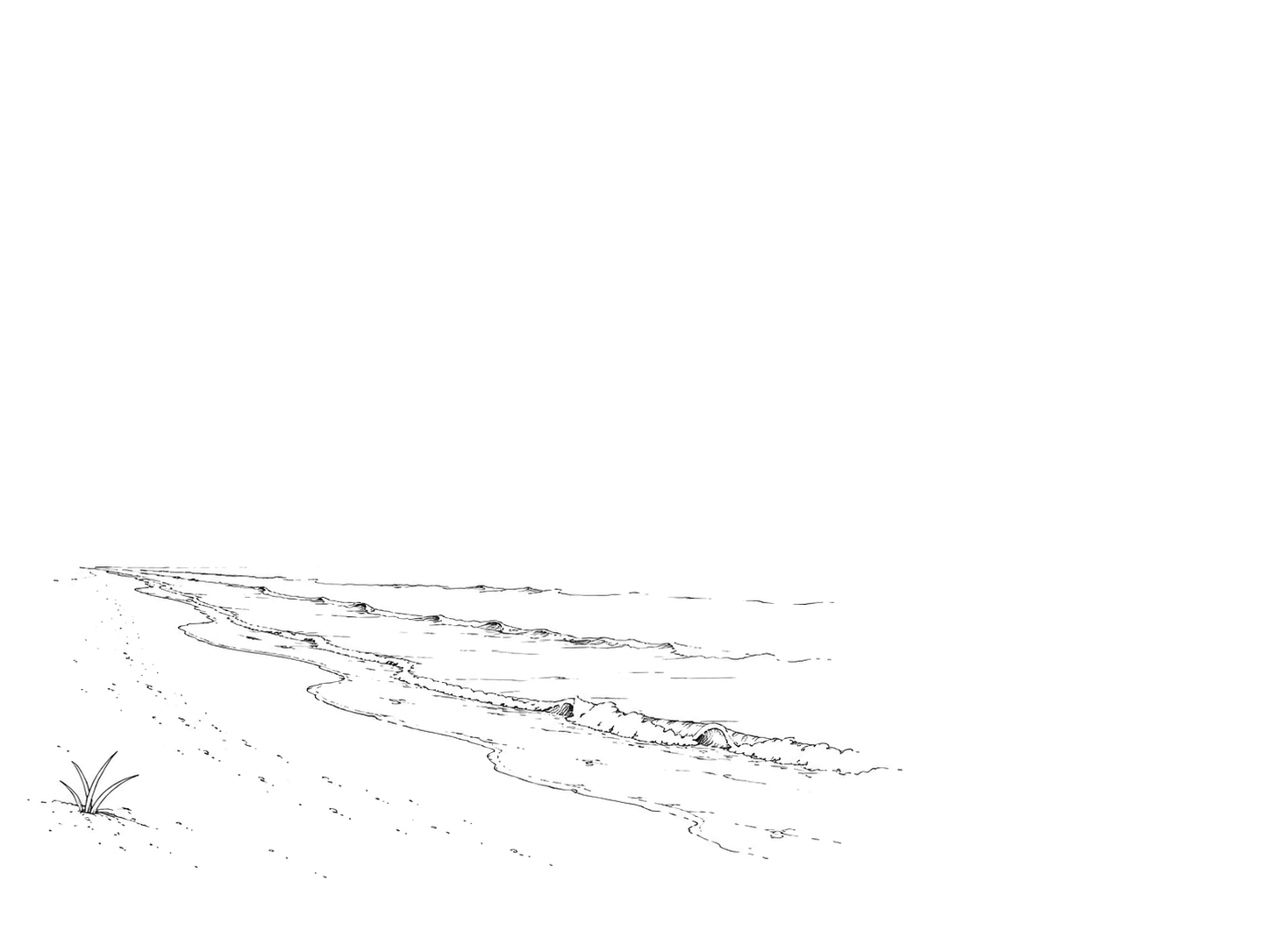
From the Delfines lookout, the water near shore and farther out does not always look the same color. Along Cancún's coast, water depths vary, and the seabed includes sand, seaweed and rock. In shallow water, the bottom's color can show through. The amount of suspended material in the water also affects its shades of blue and green.

Source: esa.int
02 · Playa Delfines, " El mirador "

Why this stretch of coast?

The beach was only part of the planners' calculation.

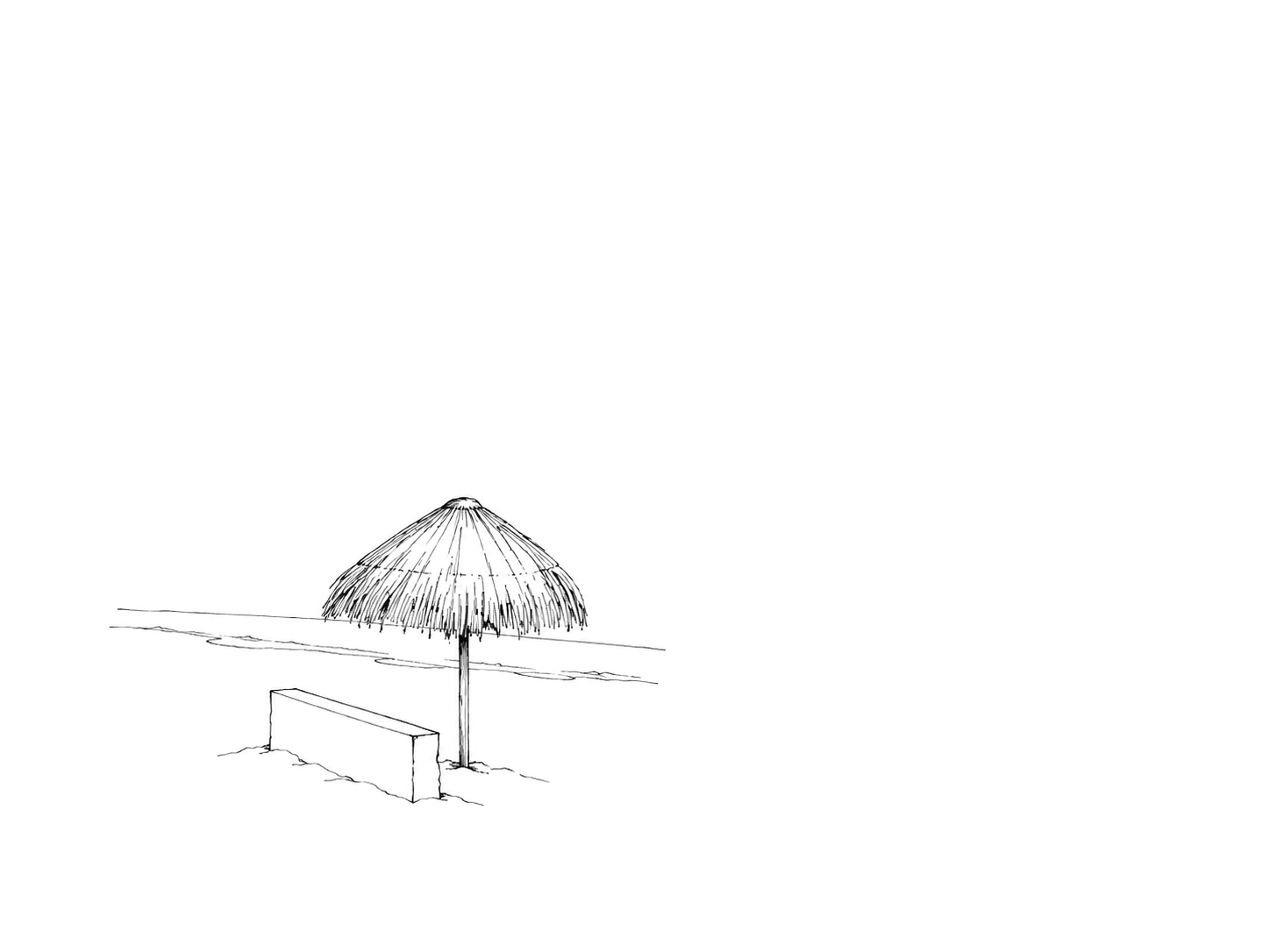
In the late 1960s, Mexico's government hoped tourism would bring in foreign exchange and create jobs on the Yucatán Peninsula. Planners compared Caribbean destinations with US and Canadian beach vacationers in mind. Quintana Roo's coast offered more than sand: road connections, fresh water and room to expand mattered too. The coast in front of the Delfines lookout became part of the Hotel Zone.

Source: banxico.org.mx Source: mail.turismocancun.mx

03 · La Copa

A cup for the new city

The city's concrete cup once held its water.

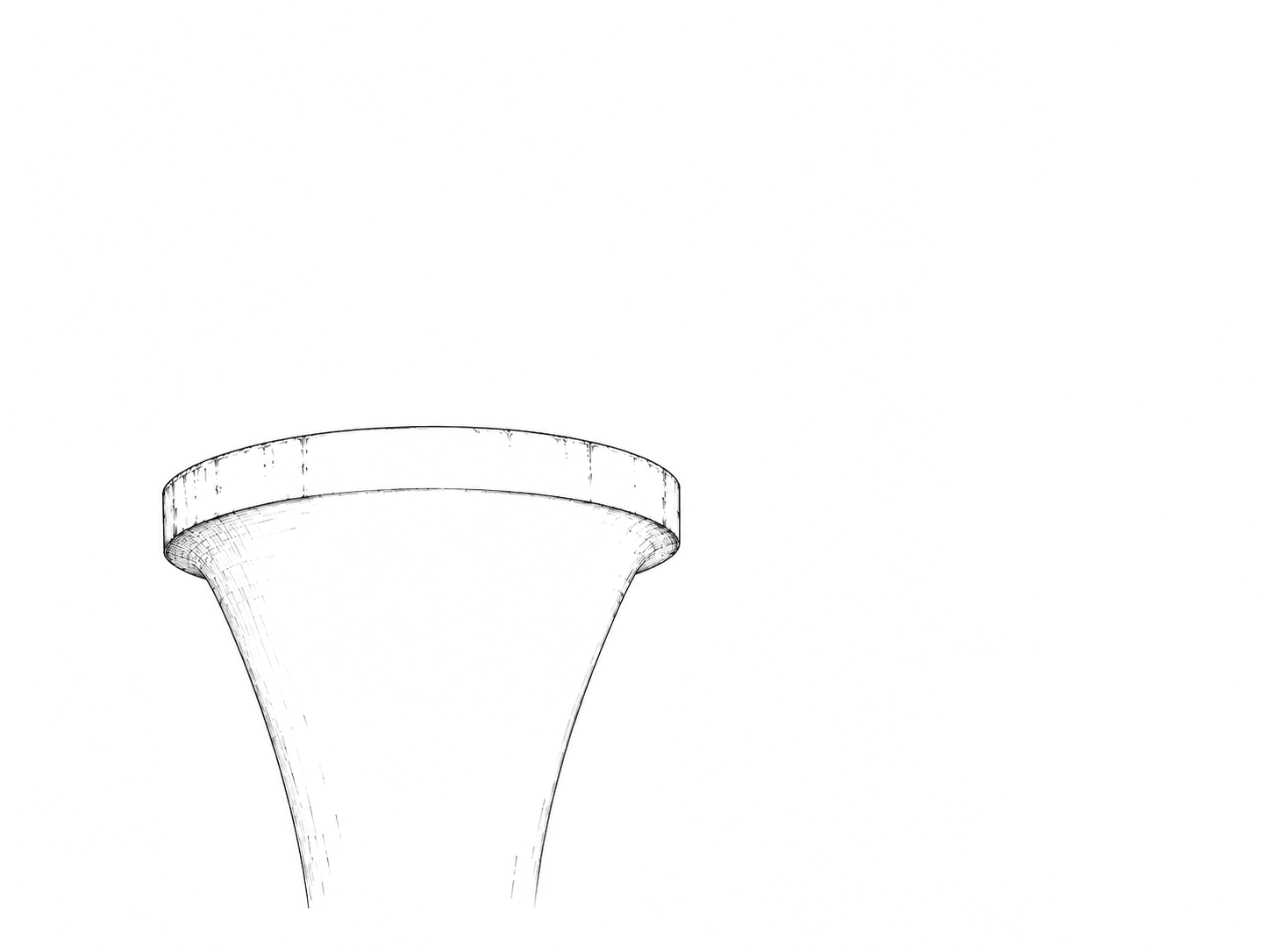
Wide at the top and narrow below, the water tower beside Avenida Uxmal earned a straightforward nickname: La Copa, the cup. Built around 1973–1974, it belonged to the early city's water system. Its reinforced-concrete surface flares upward, holding the storage space above the ground. The tower was already standing while nearby superblocks were still being built, and its nickname later became a way to give directions.

Source: rcacancun.gob.mx

04 · Playa Marlín

What the white sand is made of

Sea life supplies part of Cancún's white sand.

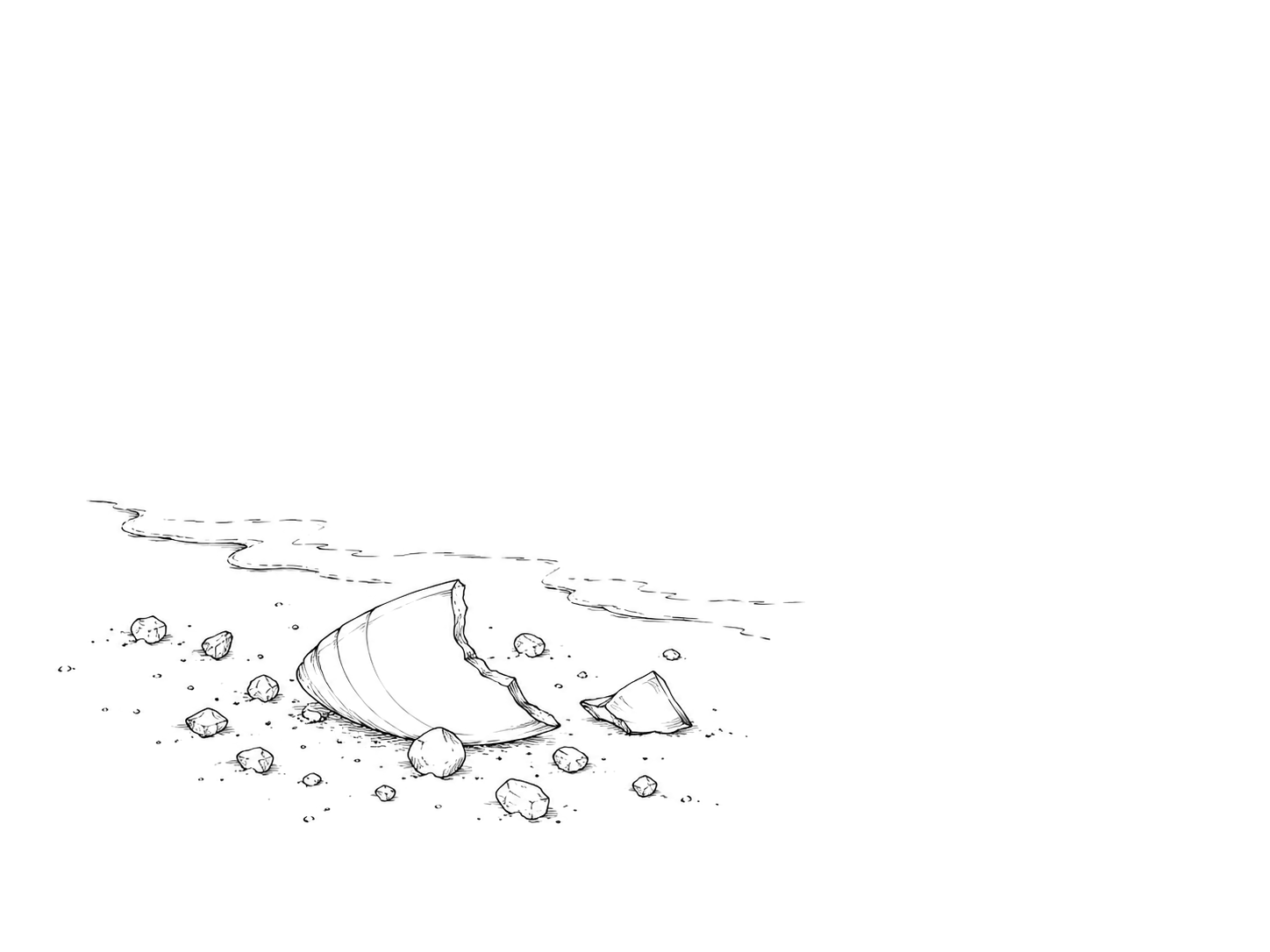
The white sand along Cancún's coast is mainly calcium carbonate. Fragments of shells and the hard skeletons of marine life make up part of it. Tiny grains called ooids also occur in the nearshore sand. Waves move these grains onto the shore, building beaches; wind carries dry sand inland to form dunes.

Source: stars.library.ucf.edu Source: gcags.org Source: amigosdesiankaan.org

Continue in the app

Carry all 63 Cancún stories with you

Read without location access. Pass-by reminders are optional, and precise location is never uploaded.