City preview · CHARLOTTE

Charlotte put old gold-mine water to work in a cotton mill

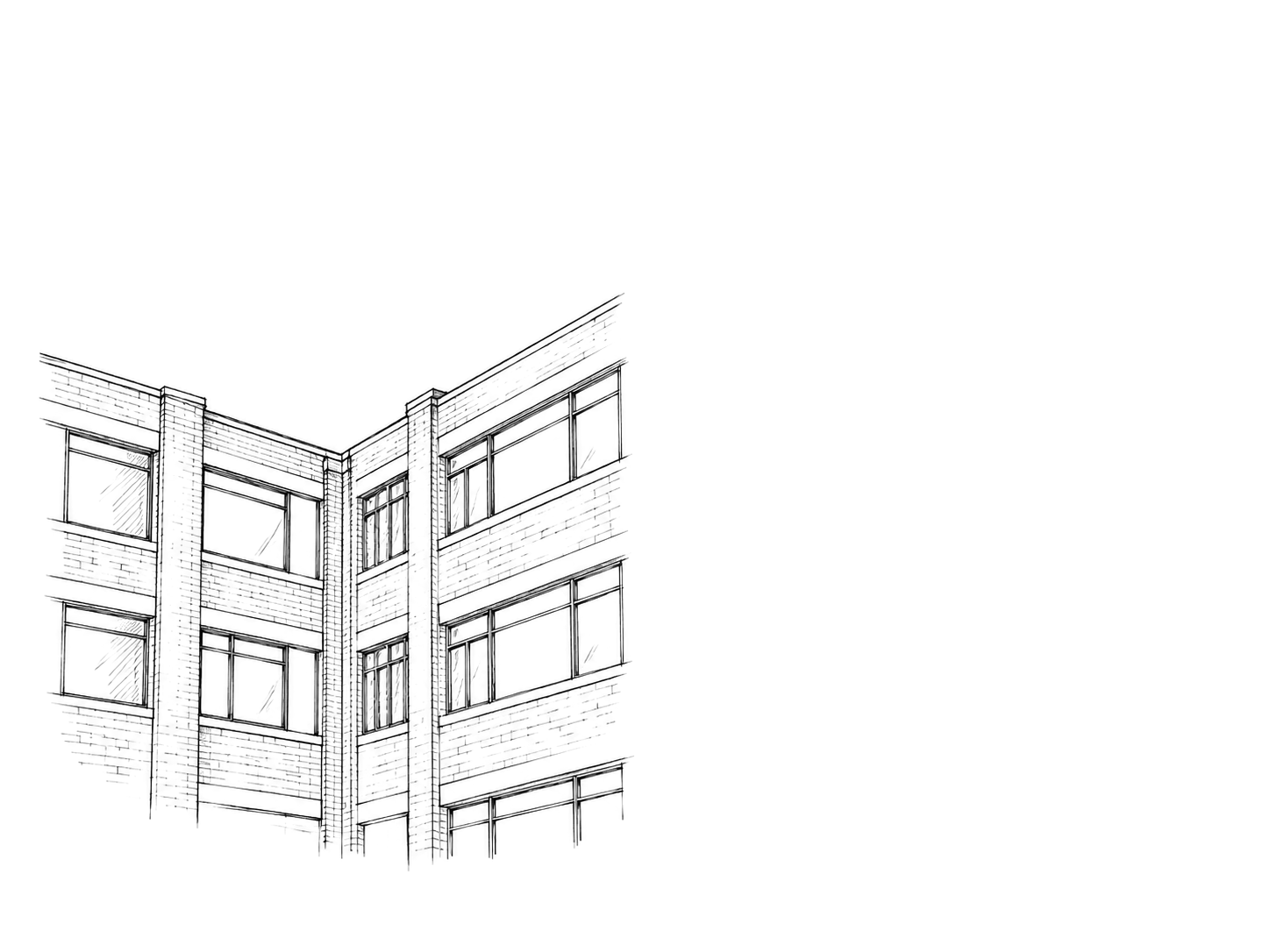
Atherton Mill used water from an old gold mine for steam power. The former mint was dismantled, moved and rebuilt as an art museum. Outside another museum, Firebird reflects the street in mirror fragments. Lance’s snack business began with a rejected order of peanuts.

4 web previews 58 stories in the app

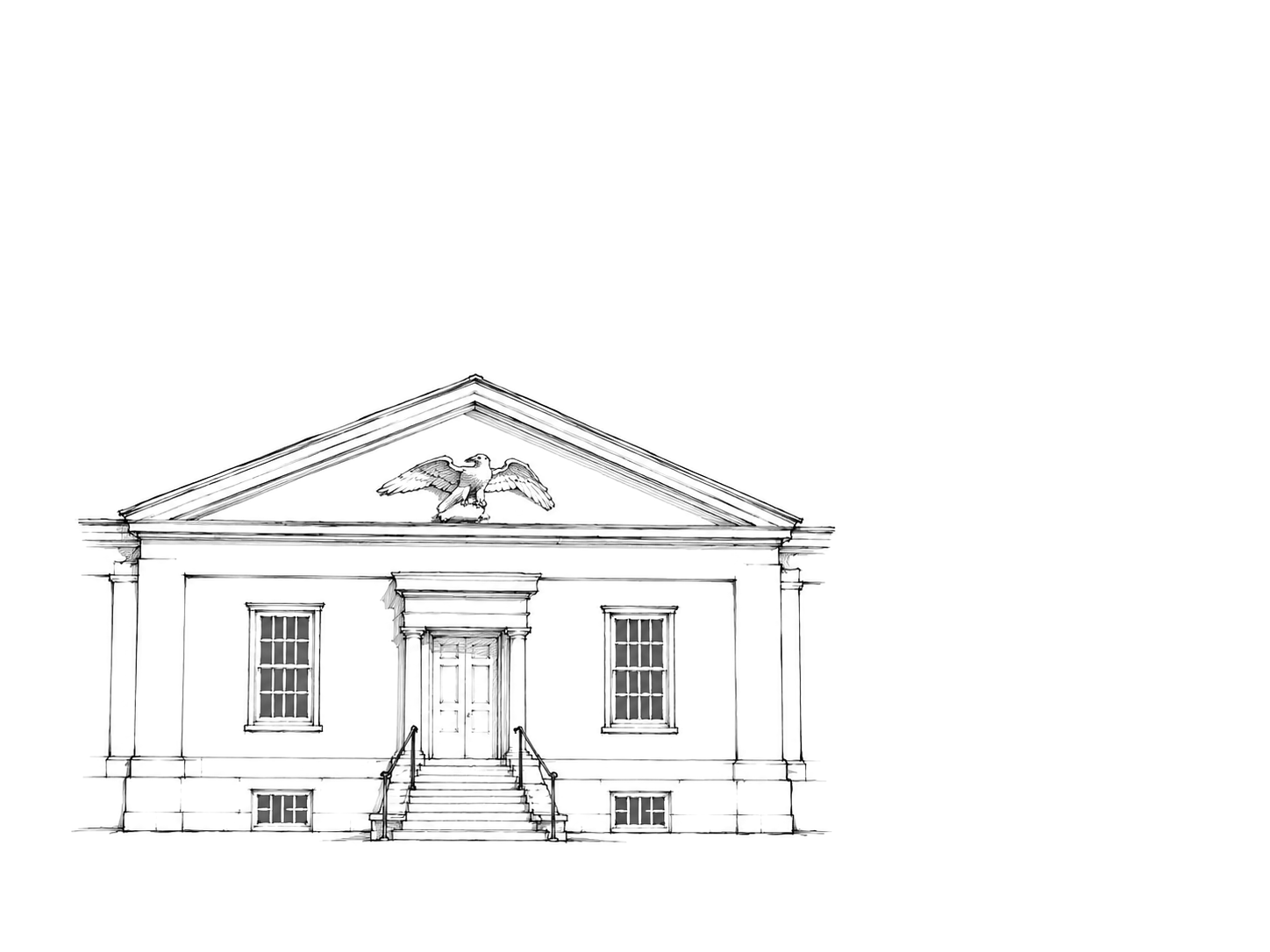
Mint Museum Randolph · Editorial illustration, not a historical photo

A gold mine, cotton mill and museum forecourt

Mine water, a relocated mint, a mirrored Firebird and peanut crackers

Four complete stories and their public sources are shown here; the rest of the collection is in the app.

01 · Mint Museum Randolph

The mint moved, then became an art museum

The old mint was taken apart to save it.

This building originally stood downtown, minting coins from nearby gold mines. When a post office expansion threatened the site in the 1930s, Mary Myers Dwelle and other preservationists bought the building for $950. They dismantled it, moved it here and rebuilt it. In 1936 the museum opened at the new location, hanging paintings where gold coins had once been made.

Source: hl.mecknc.gov
02 · Atherton Mill

Mine water powers a new mill

The textile mill reused a gold mine's water supply.

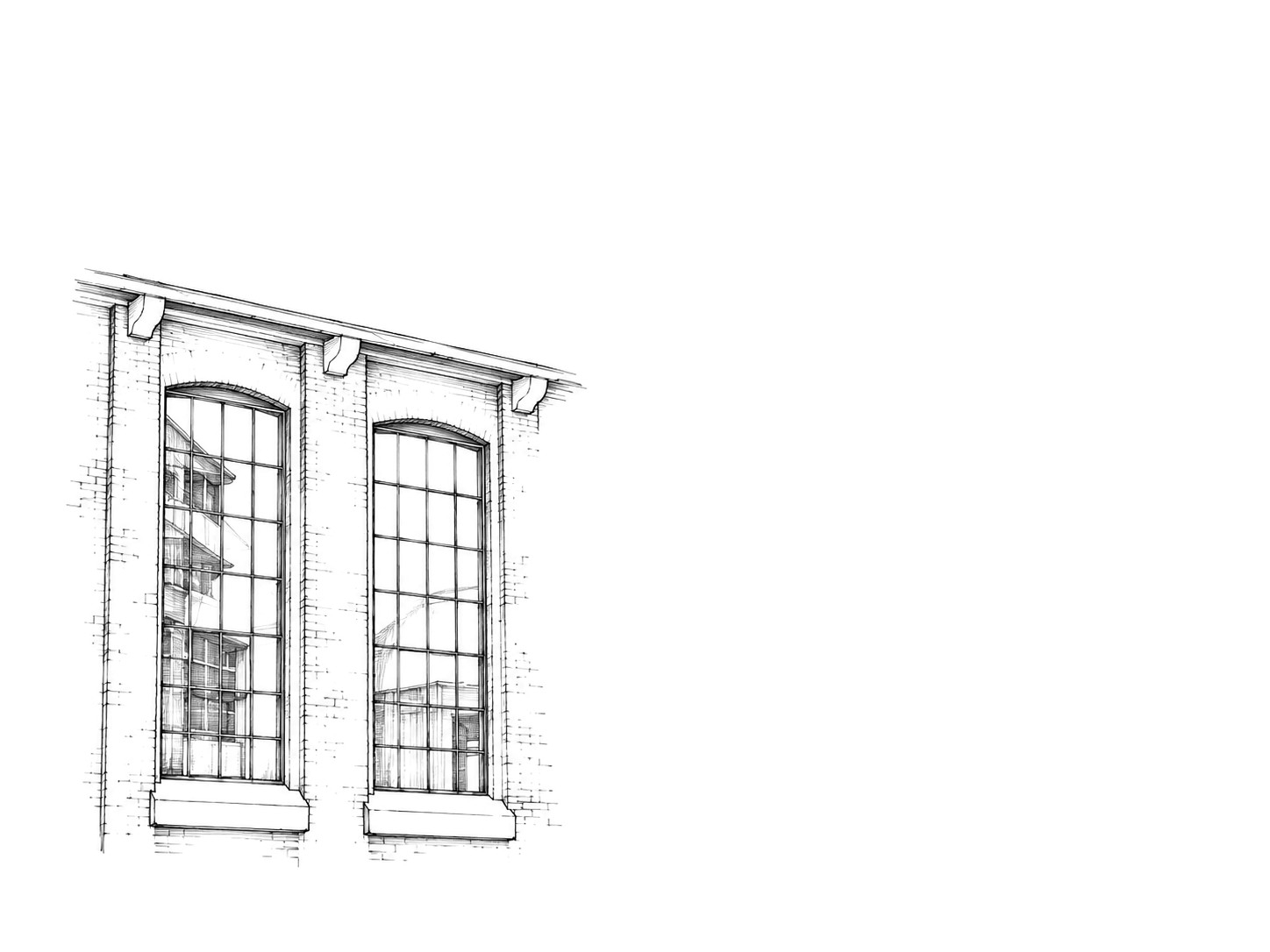
When Atherton Mill was being planned in 1892, its operators used water from the old Summit Hill gold mine for steam power. Workers' homes, a school and shops followed in the years after production began, forming an industrial neighborhood. Infrastructure left by gold mining found another use in textiles. The mill now holds businesses, with its brick walls and chimney still standing.

Source: hl.mecknc.gov

03 · The Firebird by Niki de Sainte-Phalle

A mirrored bird you can walk beneath

Your reflection breaks across the bird's mirrored skin.

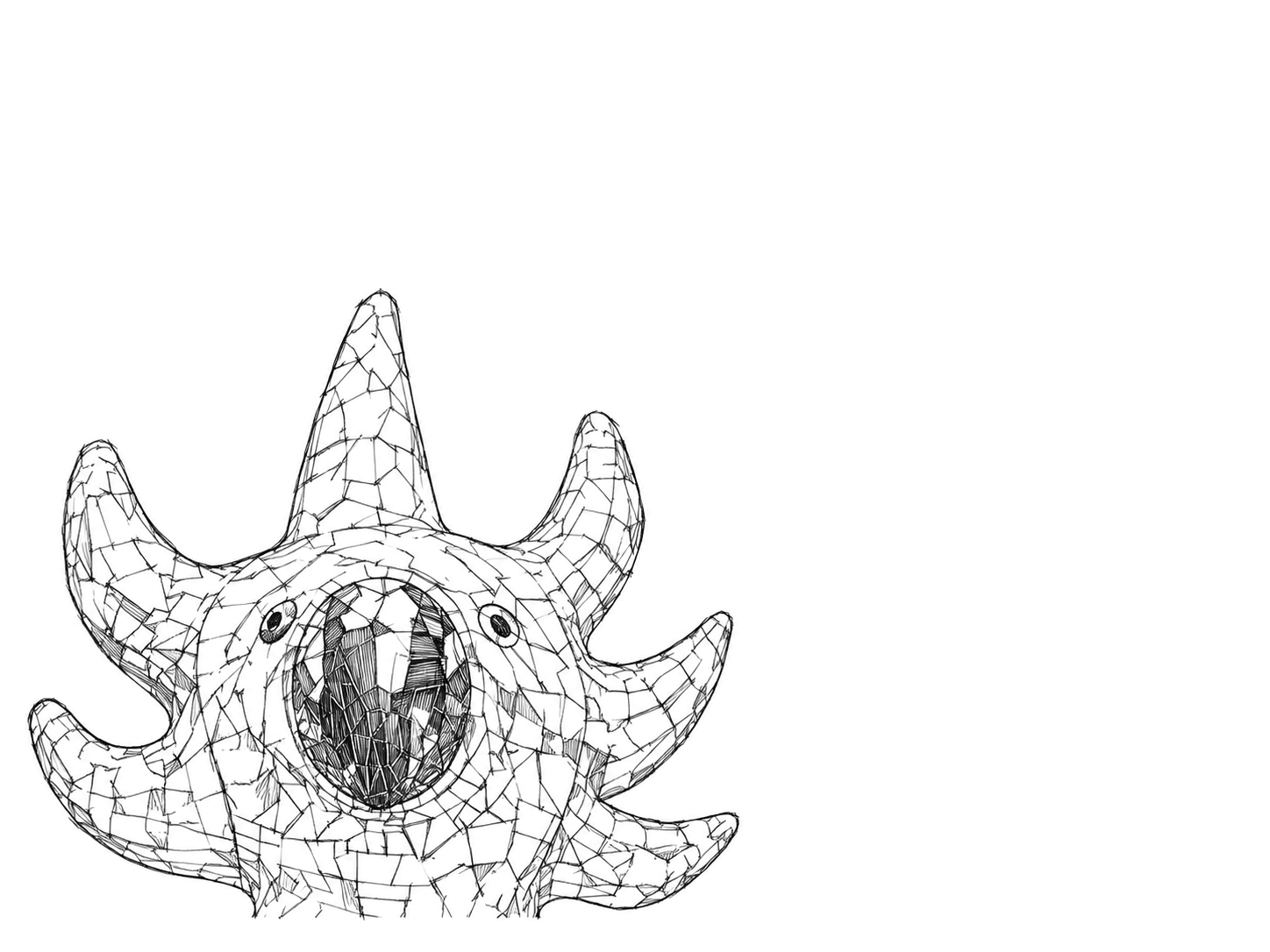
Niki de Saint Phalle created Firebird in 1991; it arrived outside the Bechtler in 2009. Steel framing and polyester support the bird and arch, covered with mirror pieces that catch people, cars and sky at different angles. About five meters tall, the bird stands over a broad arch with room for people to pass underneath.

Source: bechtler.org

04 · Lance factory / Factory South

Rejected peanuts start a snack business

The cracker business began with an unwanted peanut order.

In 1913, a customer rejected Philip Lance's shipment of raw peanuts. He roasted them and sold small packets instead. His family later put peanut butter between crackers to make portable snacks. Growing sales brought the business to this factory in 1926, and further additions followed.

Source: lance.com Source: cmlibrary.org Source: historysouth.org

Continue in the app

Carry all 58 Charlotte stories with you

Read without location access. Pass-by reminders are optional, and precise location is never uploaded.