Monuments get the attention; pumps and barriers keep London running. A street pump changed how cholera was understood, while silver gates in the Thames stand ready to rise against the tide.
4 web previews ·100 stories in the app
Crossness · Editorial illustration, not a historical photo
Look again as you pass
Four London footnotes
Short previews and public sources only. Read the complete collection in City Whisper.
01 · Crossness
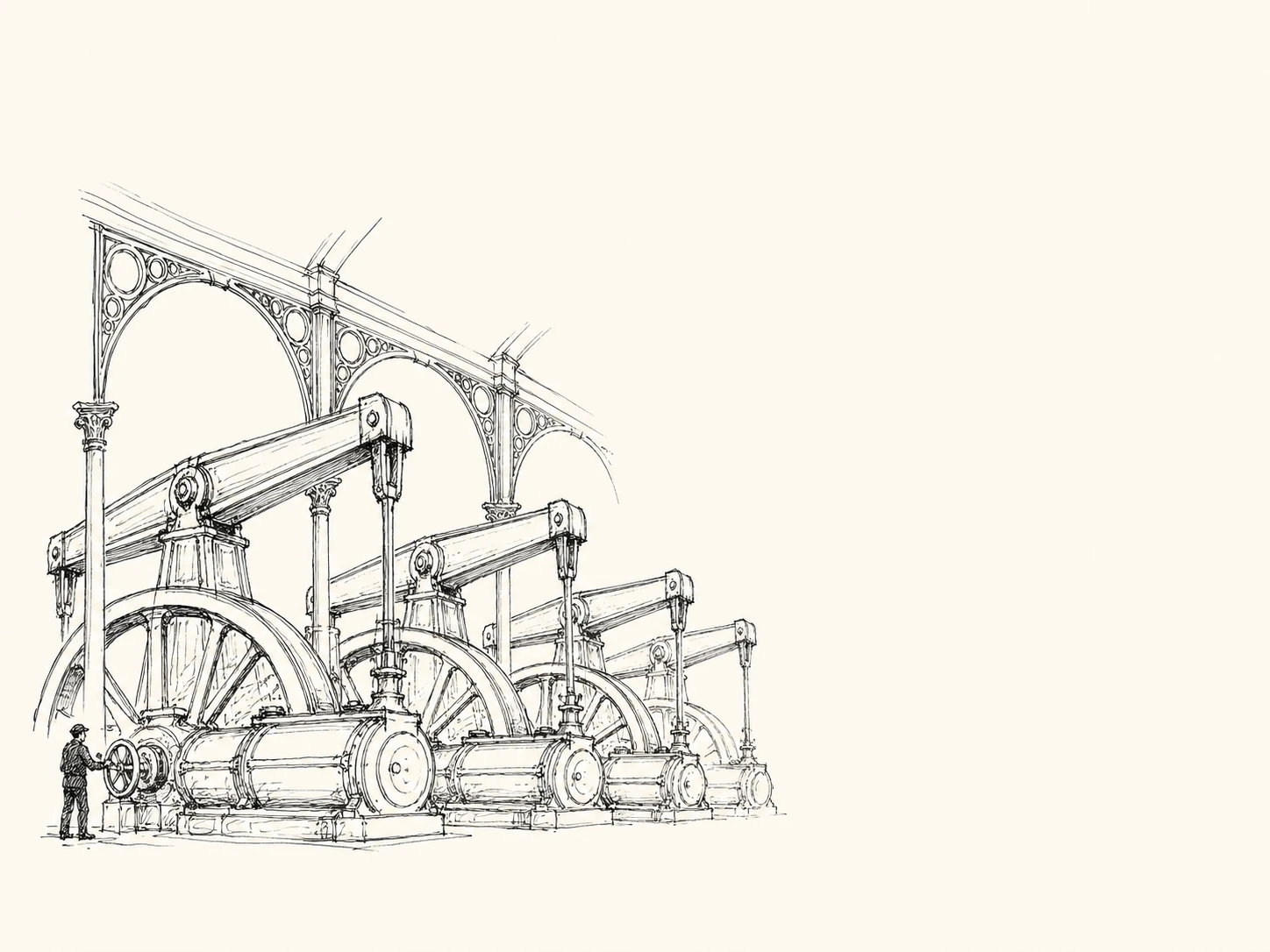
Four giants inside a palace of colored iron
On open days, four immense beam engines appear inside an extravagantly painted hall.
Crossness Pumping Station opened in 1865 to lift sewage delivered by London’s new sewer system before discharge. Four vast beam engines share an engine house of patterned, brightly colored cast iron, decorating infrastructure almost like a ballroom.
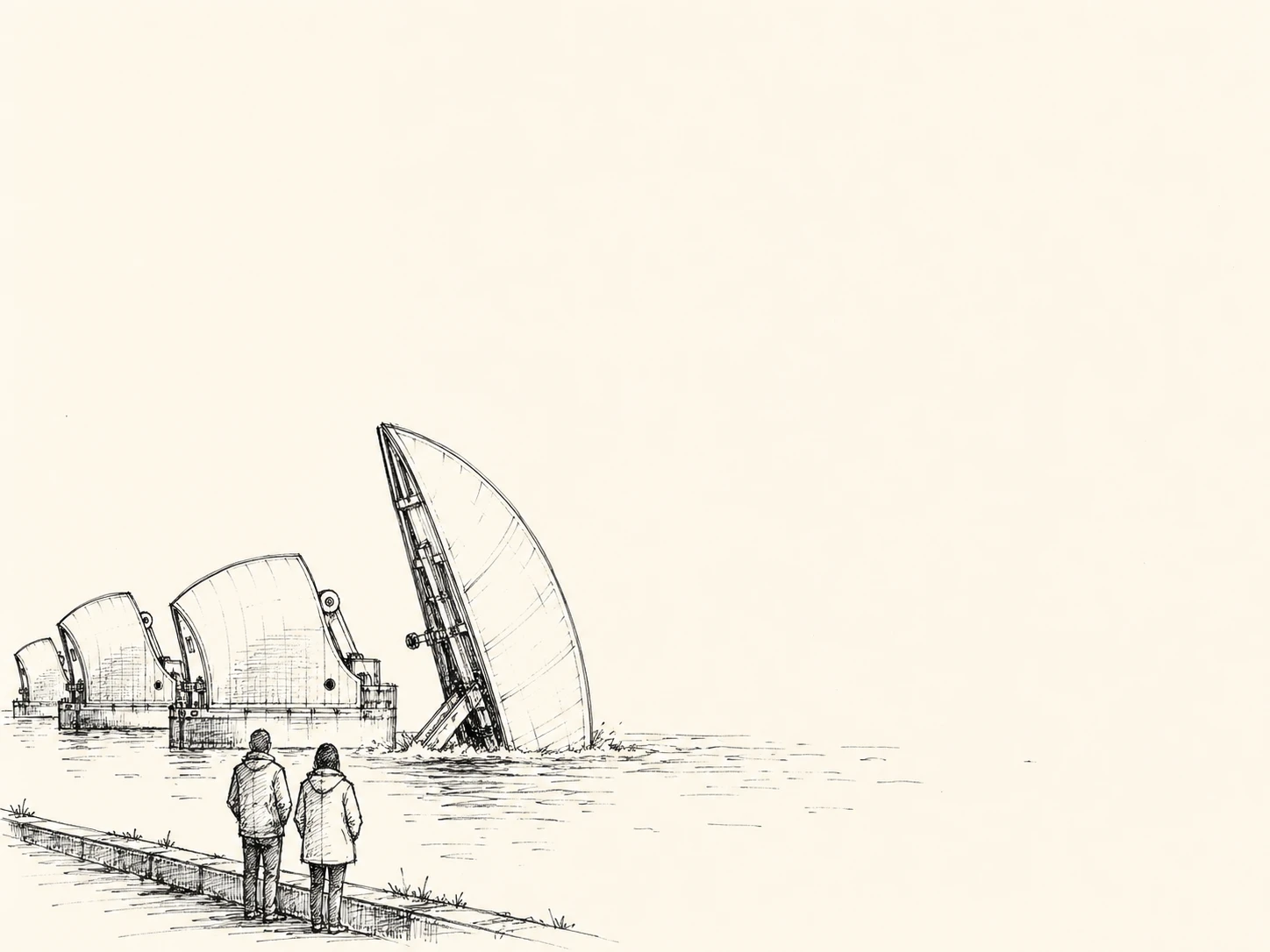
Between the silver shells, ten immense gates can rotate upward against the tide.
The Thames Barrier entered service in 1982. Its ten movable steel gates normally rest on the riverbed or leave navigation channels open, then rotate into position when high water threatens.
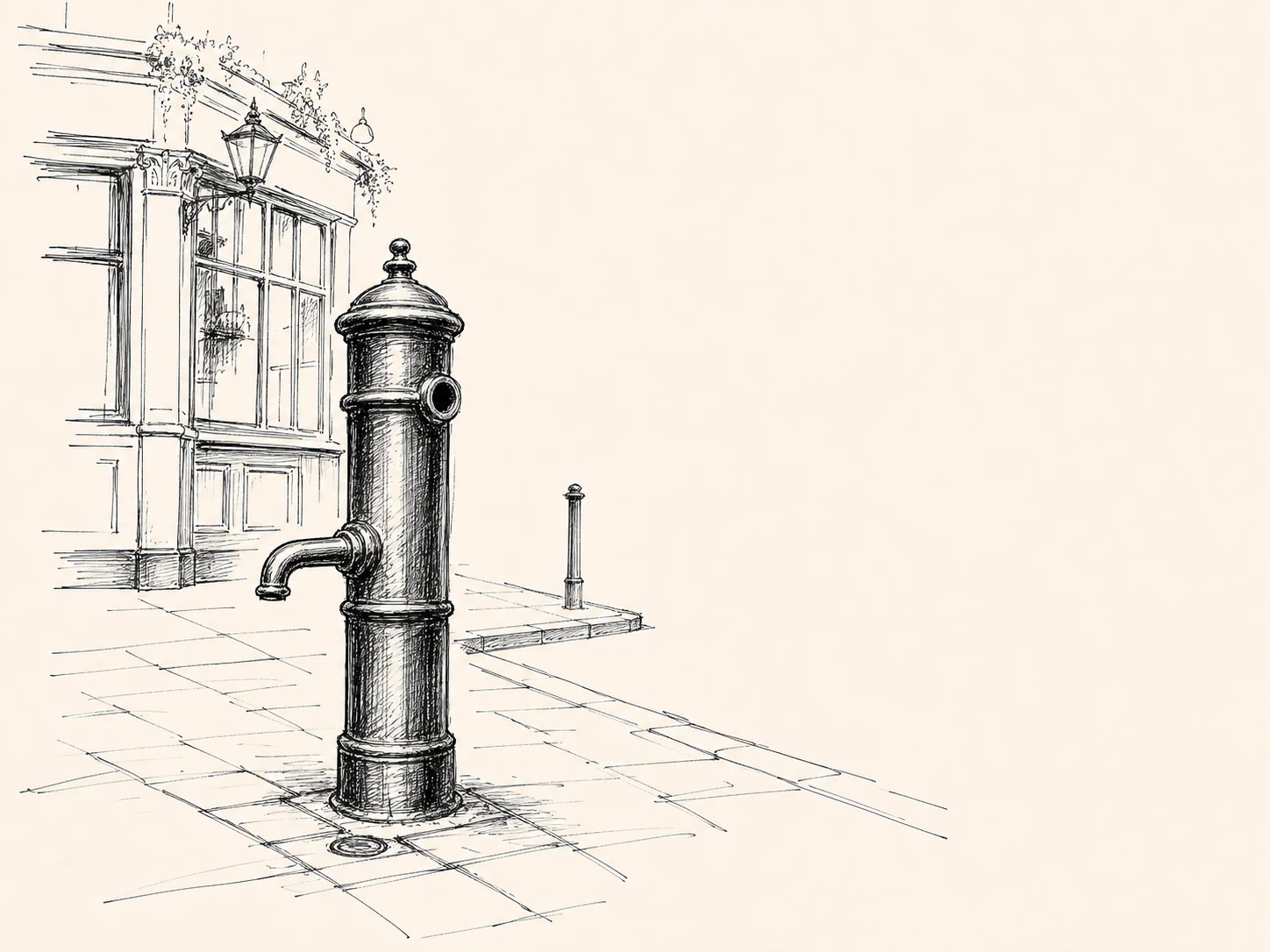
Modern epidemiology began with removing one handle.
During Soho’s 1854 cholera outbreak, more than 500 people died in ten days. Physician John Snow rejected the dominant miasma theory and mapped deaths door by door.
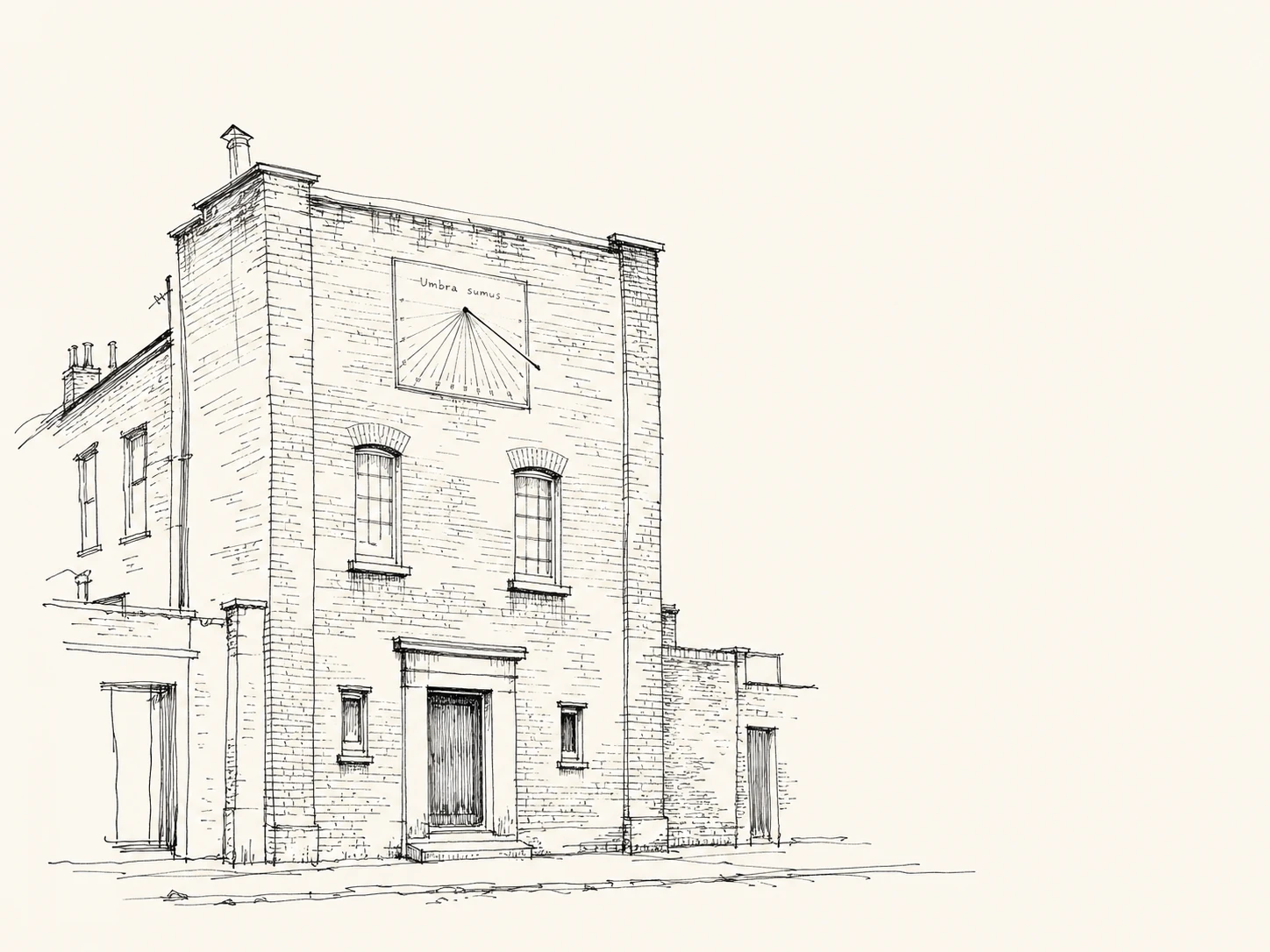
Church, synagogue, mosque: the same walls served each in turn.
At 59 Brick Lane, French Huguenots built a Protestant chapel in 1743. It later became a Methodist chapel, then in 1898 a synagogue for Eastern European Jewish immigrants.