City preview · MELBOURNE

In Melbourne, meet under the station clocks

Staff once adjusted the Flinders Street departure clocks with a long pole. Early plans for Pellegrini’s left a place for its espresso machine. In Drewery Lane, tiles made by veterans’ friends and relatives share a wall; Trugo clubs tell an origin story of railway workers turning rubber rings into a game.

4 web previews 89 stories in the app

Under The Clocks (Flinders Station) · Editorial illustration, not a historical photo

From meeting under the clocks to tiles in a laneway

Departure clocks, an espresso counter, handmade tiles and railway rings

Four complete stories and their public sources are shown here; the rest of the collection is in the app.

01 · Under The Clocks (Flinders Station)

A timetable on a pole

These clocks once needed over 900 adjustments a day.

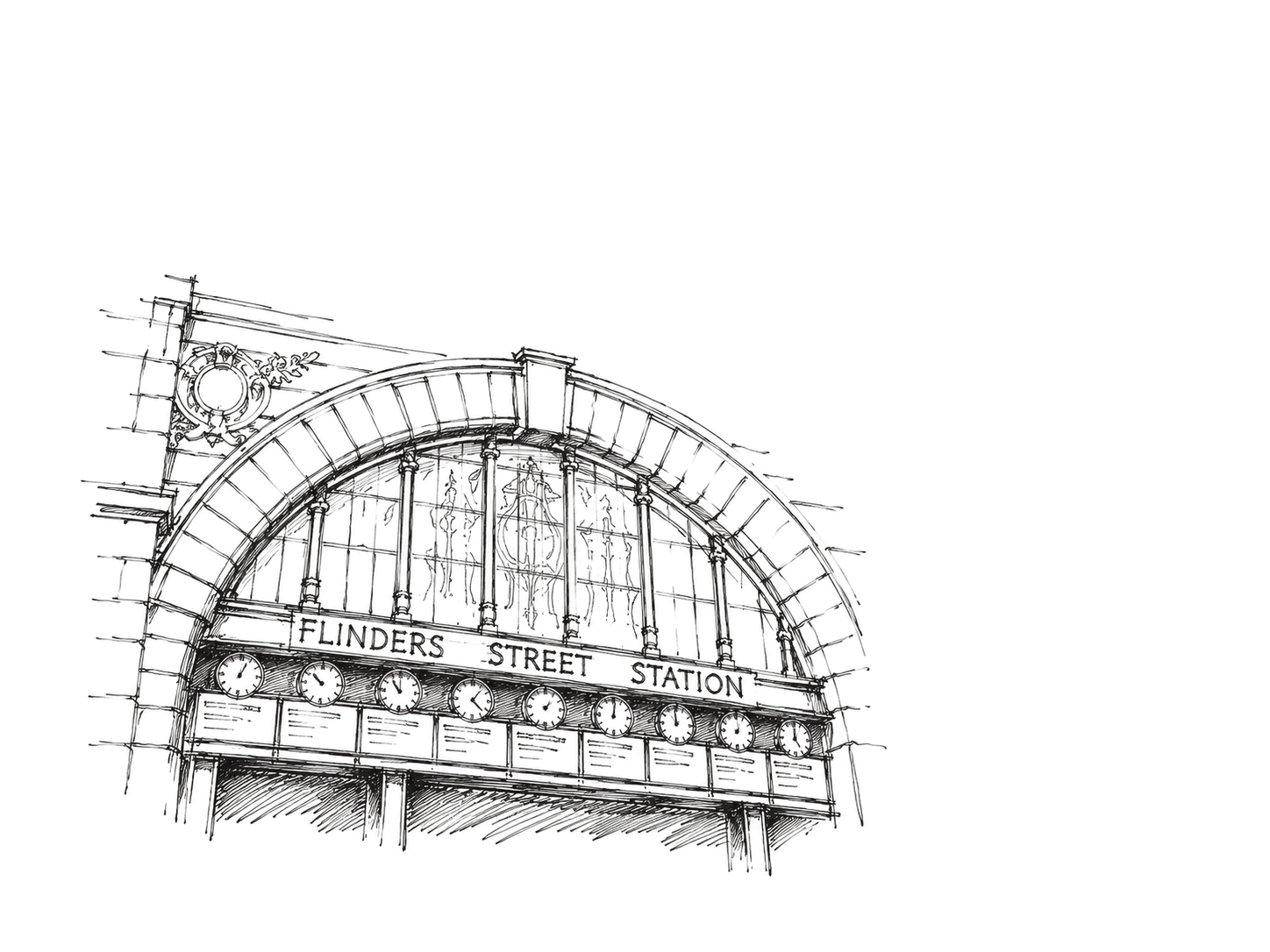
Station staff once reached up with a long pole to move each clock's hands, making more than 900 adjustments a day. The clocks showed departure times. Melburnians were already arranging to meet beneath them in 1906; the new station entrance received 13 clocks in 1910. Departure displays have changed since then. The old faces still give people a very precise place to meet.

Source: emelbourne.net.au
02 · Pellegrini’s Espresso Bar

A place for the espresso machine

Even the early counter plan made room for espresso.

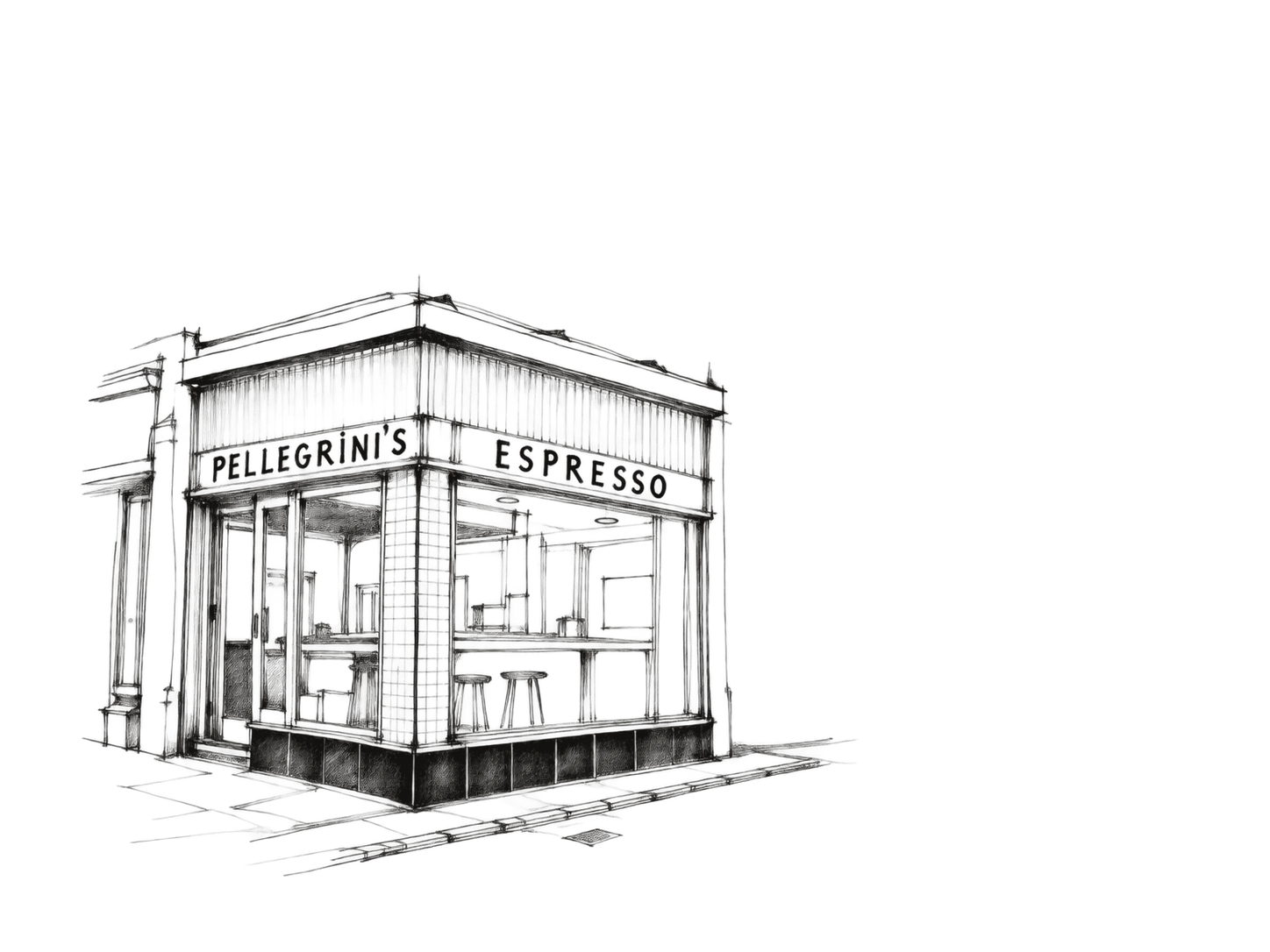
In 1954, the Pellegrini brothers turned a Bourke Street tailor's shop into a cafe. Plans submitted to the city already set out mirrors, a checkerboard floor, and stools, with a space for an espresso machine on the curved counter. Customers soon included taxi drivers, theater audiences, and bookshop readers as well as Italian migrants. The long counter still serves coffee; the habit has a place in the original drawings.

Source: melbournehistoryworkshop.com Source: whatson.melbourne.vic.gov.au Source: eat-drink-design.com

03 · Drewery Lane Street Art

One tile from each pair of hands

Friends and relatives of veterans made this tiled wall.

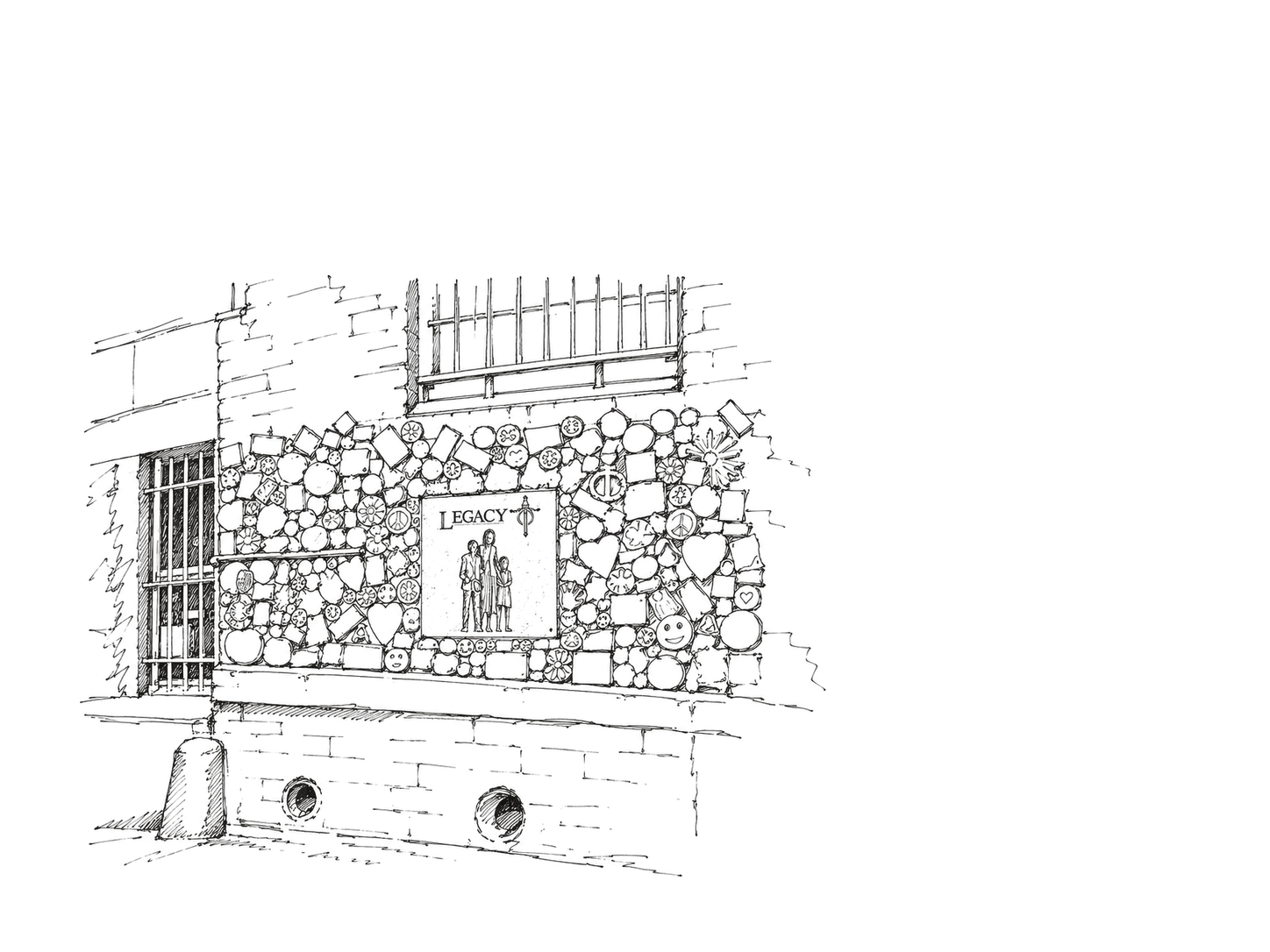
Handmade ceramic tiles cover the lane's wall. The city's walking guide records that veterans' friends and relatives made them to commemorate Legacy House here. Each tile keeps its own design and the traces of its making. Up close, they can be studied separately; from farther away, they form one wall. A shared act of remembrance took shape through many small objects made by individual hands.

Source: whatson.melbourne.vic.gov.au

04 · Footscray Trugo Club Reserve

A railroad ring became a game

Club tradition traces this mallet game to railroad workshops.

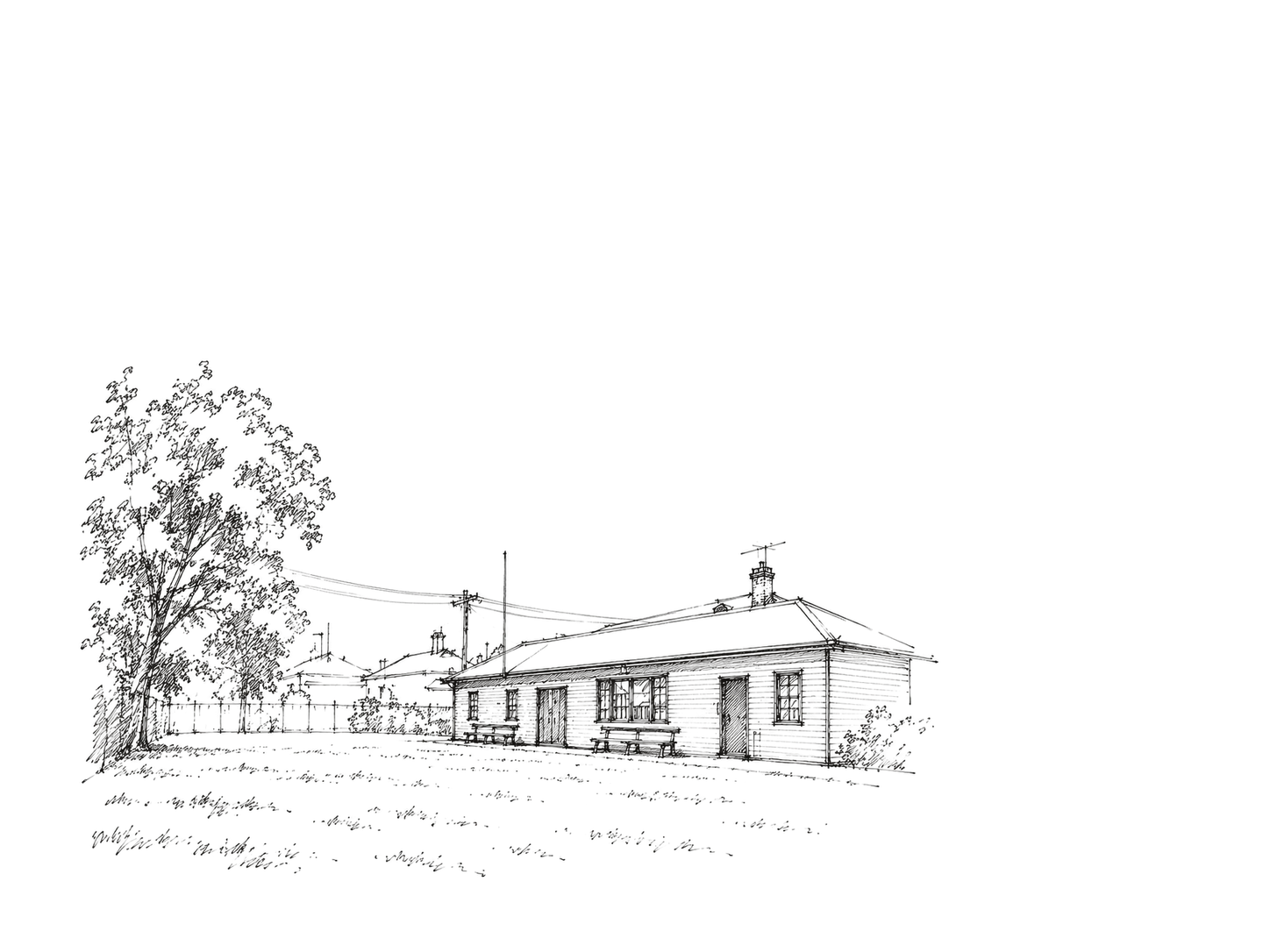
Trugo clubs tell an origin story of Newport railroad workers striking rubber train-buffer rings with wooden mallets until it became a game. Footscray later formed a team whose original players had to be at least sixty. Players hit the ring from one end of the lane toward the other, scoring when it passes between two posts. The ring and mallet took on new roles as sporting equipment in retirement.

Source: footscraytrugo.wordpress.com Source: abc.net.au

Continue in the app

Carry all 89 Melbourne stories with you

Read without location access. Pass-by reminders are optional, and precise location is never uploaded.