City preview · MEXICO CITY

Beneath a Mexico City street, the temple steps remain

At Templo Mayor, temple stairs, serpent heads, and altars sit several meters below today’s pavement. From outside the railings, you can see a colonial cathedral and modern shops in the same view. Subsidence and earthquakes forced the old Basilica of Guadalupe to close in 1976. Repairs began in 1979, and it reopened in 2000; the circular new basilica opened beside it in 1976. The copper roof of Palacio de los Deportes looks massive, but it is a lightweight stack of plywood, waterproofing, and copper sheets. Every Saturday, El Chopo brings records, clothing, self-published work, and live bands back into the street.

4 web previews 117 stories in the app

Templo Mayor Museum · Editorial illustration, not a historical photo

From temple steps to a Saturday market

Temple steps below the street, a leaning basilica, a lightweight copper dome, and a Saturday record market

Four complete stories and their public sources are shown here; the rest of the collection is in the app.

01 · Templo Mayor Museum

Five centuries open beneath the street

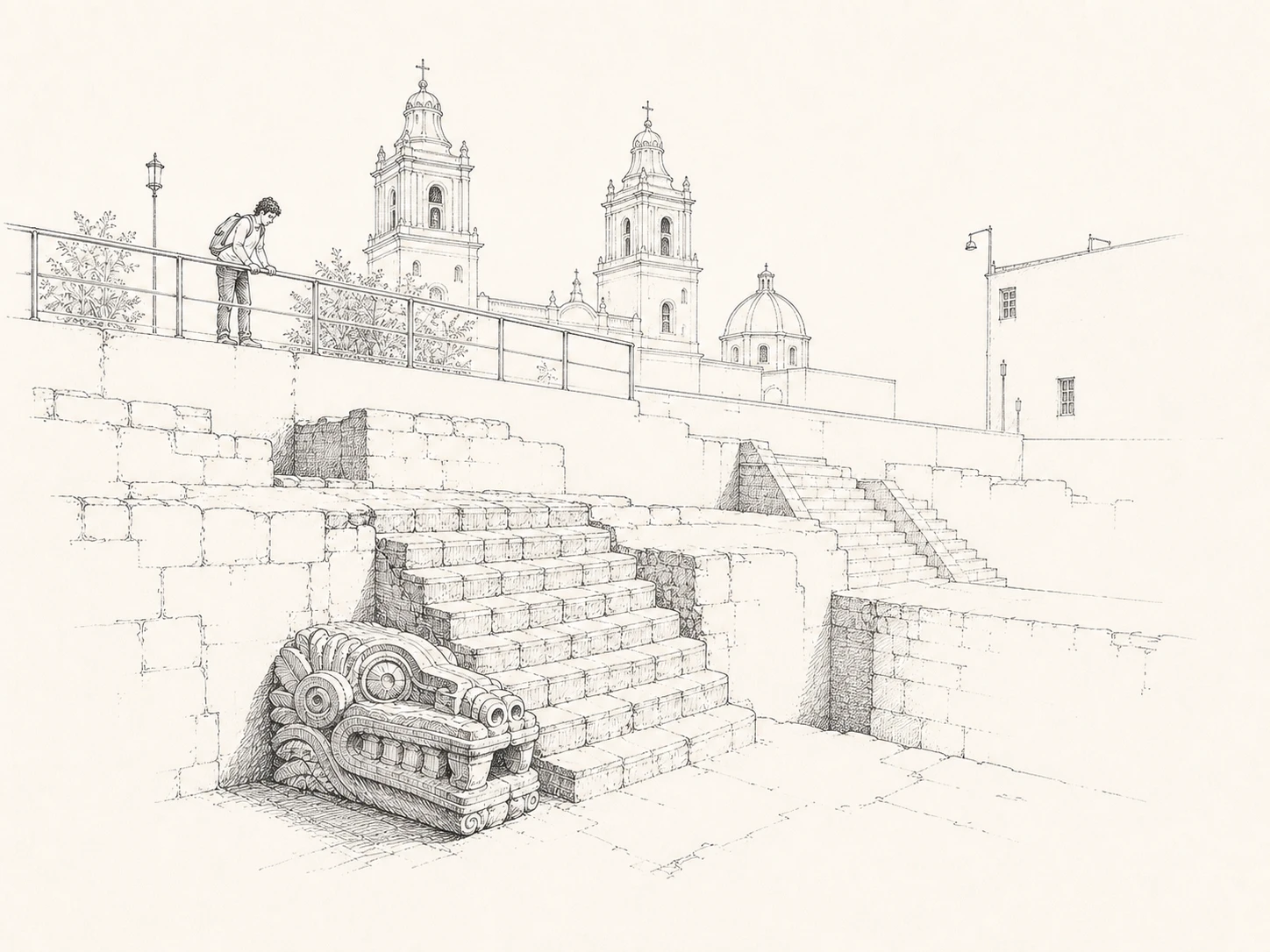
Temple stairs rise below the modern street, ringed by a colonial cathedral and today's shops.

Templo Mayor stood at the ceremonial center of Tenochtitlan. After the Spanish conquest, streets and buildings of the new city covered the precinct. Excavations in the 20th century brought some stairs, serpent heads, and altars back into daylight. From outside the railings, you can hold the bottom of the ruins and today's street in one view. Several meters of height separate them.

Source: templomayor.inah.gob.mx
02 · Antigua Basílica de Guadalupe

The old basilica leans; the new one took over

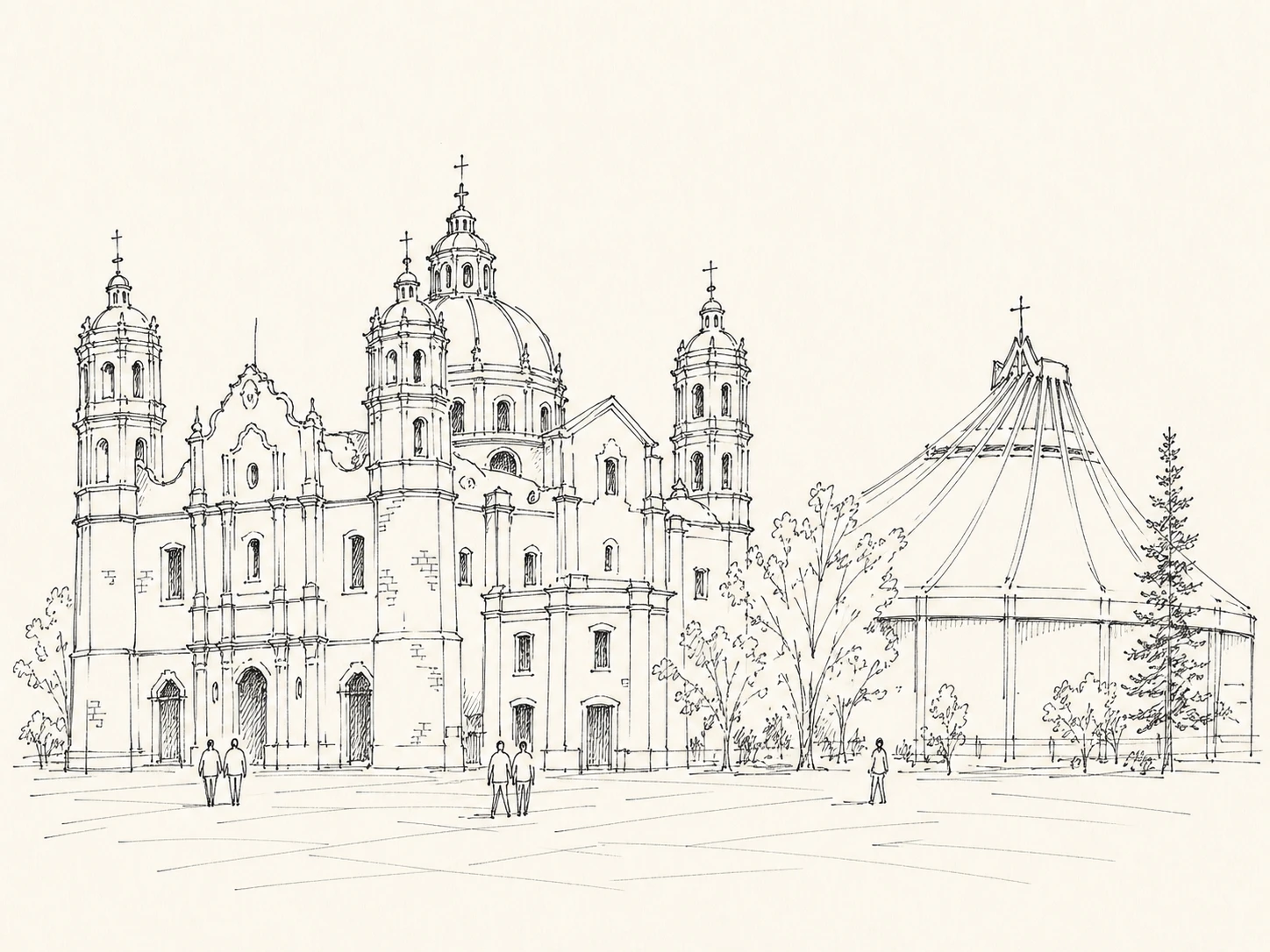
Subsidence and earthquakes brought the old basilica close to structural failure; a new circular one opened beside it in 1976.

By 1976, long-term subsidence and earthquakes had brought the old Basilica of Guadalupe close to structural failure. The sacred image moved into the new building beside it, and the old basilica shut for 24 years. INAH began foundation reinforcement and interior repairs in 1979, reopening it in 2000. The two now stand together: one round and low, built for crowds; the other still leaning, its shape holding the history of a long engineering rescue.

Source: mexicocity.cdmx.gob.mx Source: mexicocity.cdmx.gob.mx

03 · Palacio de los Deportes

The copper dome is lighter than it looks

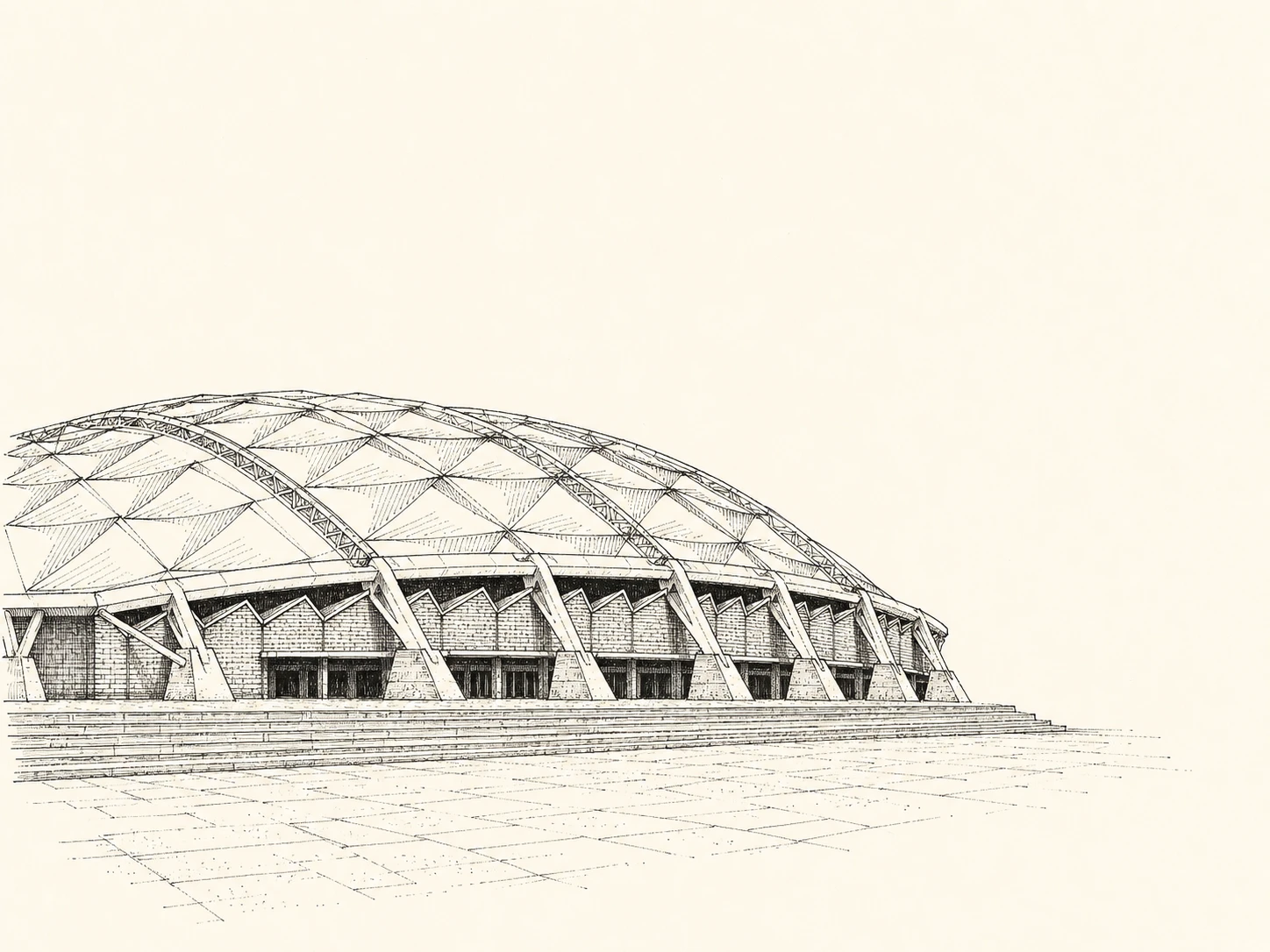
The copper dome looks massive, but it is a light shell layered from plywood, waterproofing, and copper sheets.

From a distance, the roof reads as one sheet of copper. In fact, it is assembled from repeating hyperbolic-paraboloid panels: plywood inside, asphalt waterproofing in the middle, and copper sheets on top. Steel arch trusses carry the light dome, with concrete buttresses and tubular ties holding the structure in place. Félix Candela, Antonio Peyri, and Enrique Castañeda designed the arena for basketball at the 1968 Olympics. Up close, the zigzag brick walls and feet of the arches show how that broad copper roof reaches the ground.

Source: revistas.unam.mx Source: indeporte.cdmx.gob.mx

04 · Tianguis Cultural del Chopo

The stalls grow back every Saturday

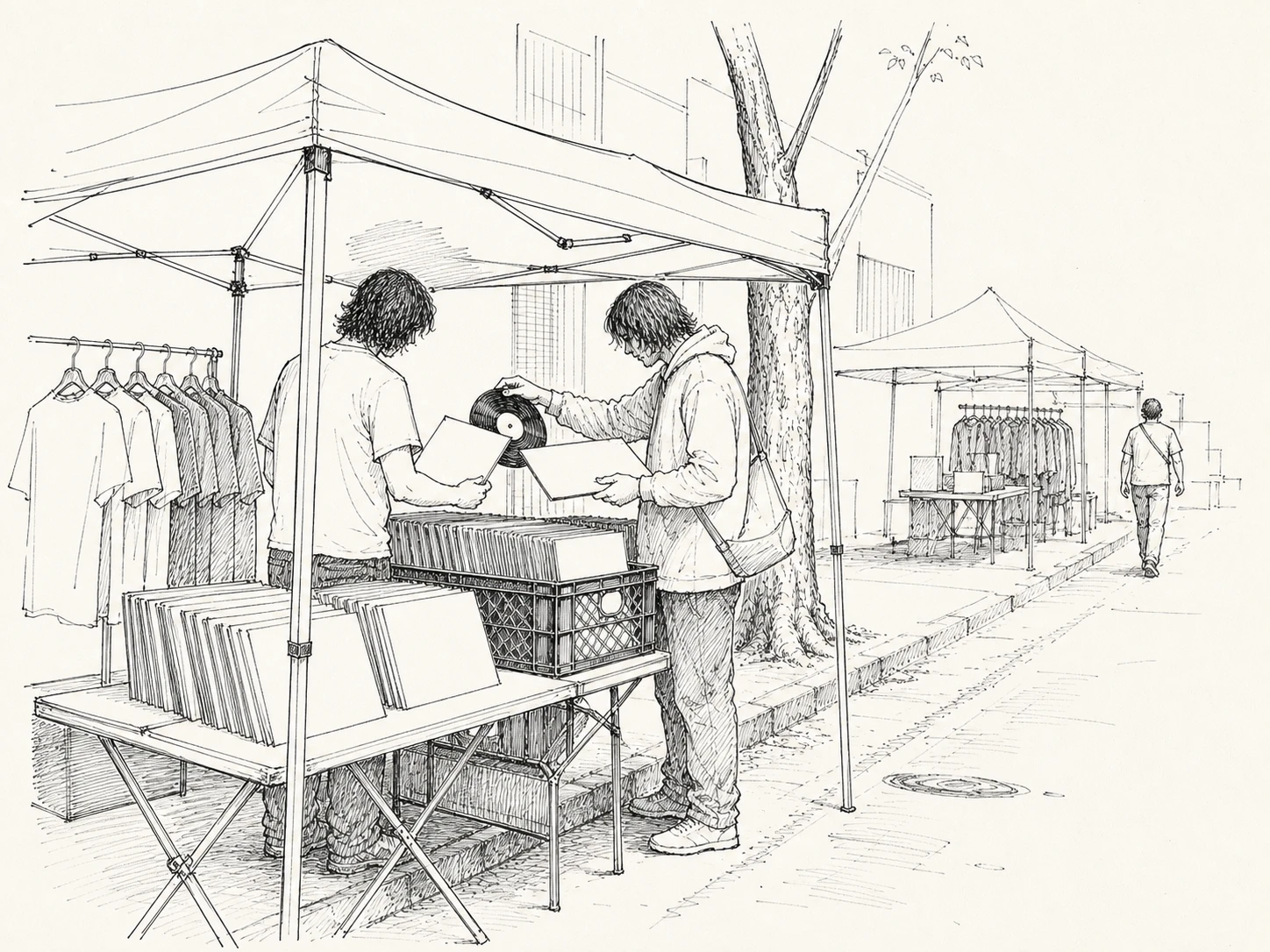
On Saturday, canopies turn the street into a market for records, self-publishing, and live music.

El Chopo grew from a music exchange and youth gathering into a regular Saturday market. Punk, metal, goth, and other communities buy and sell records, clothing, and self-published work here. When the stalls come down, the road returns to ordinary use; sellers and visitors build it again the next week. No single style owns this open-air market. The music playing today and the newest posters show how its communities keep changing.

Source: repospatrimonio.cultura.cdmx.gob.mx

Continue in the app

Carry all 117 Mexico City stories with you

Read without location access. Pass-by reminders are optional, and precise location is never uploaded.