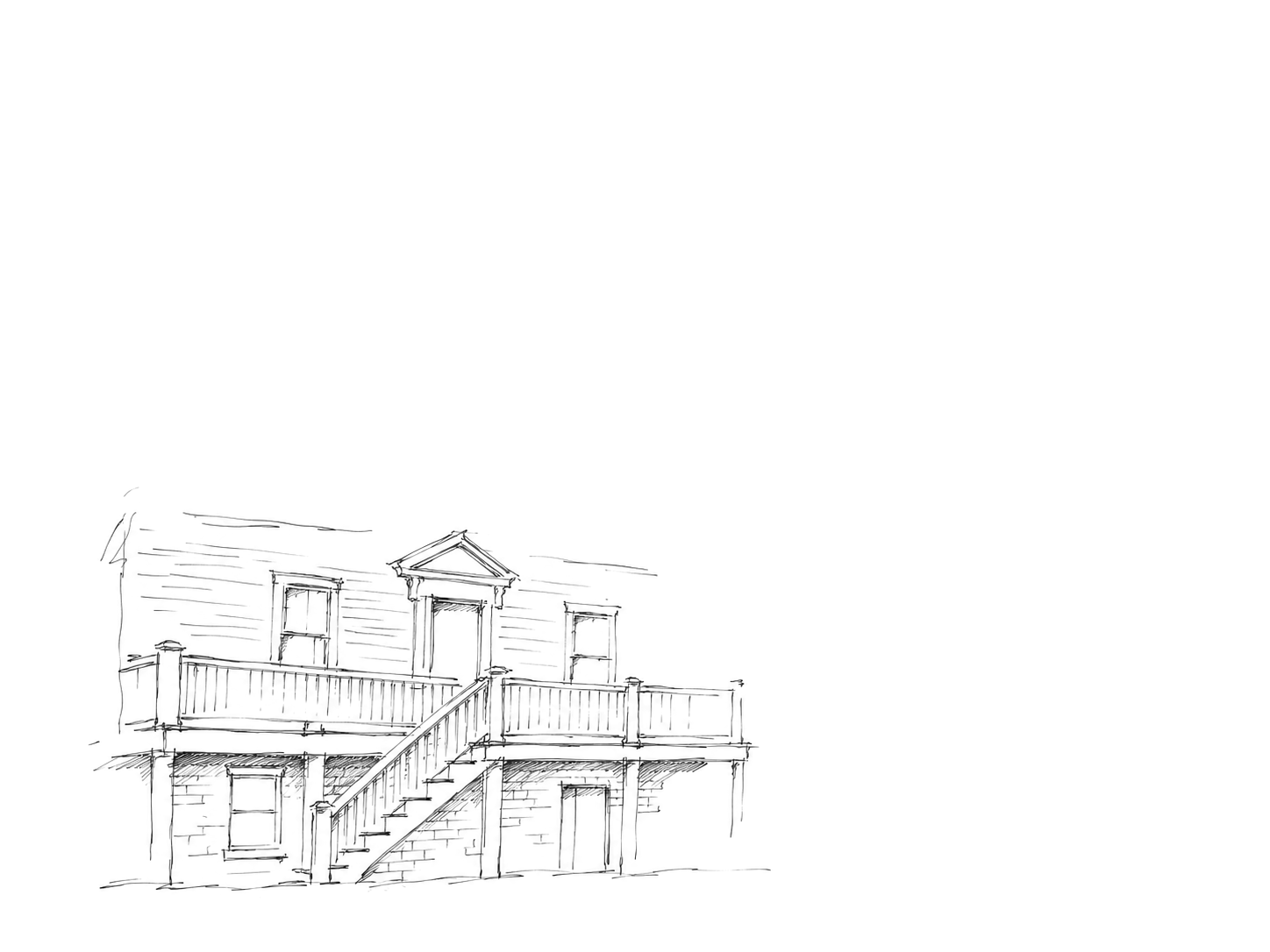
City preview · NEW HAVEN, CONNECTICUT

New Haven lets daylight through stone walls

Daylight passes through Beinecke’s thin marble walls. At Pepe’s, a tomato pie need not come with mozzarella. The Green remains the common ground at the center of New Haven’s nine-square plan. In Fair Haven, riverside homes once stood beside shops and oyster-processing yards.

4 web previews 79 stories in the app

Beinecke Rare Book and Manuscript Library · Editorial illustration, not a historical photo

From campus to a pizza shop, the Green and the river

Translucent stone, tomato pies, common ground and an oyster waterfront

Four complete stories and their public sources are shown here; the rest of the collection is in the app.

01 · Beinecke Rare Book and Manuscript Library

Sunlight through stone

The windowless-looking walls let a warm glow through.

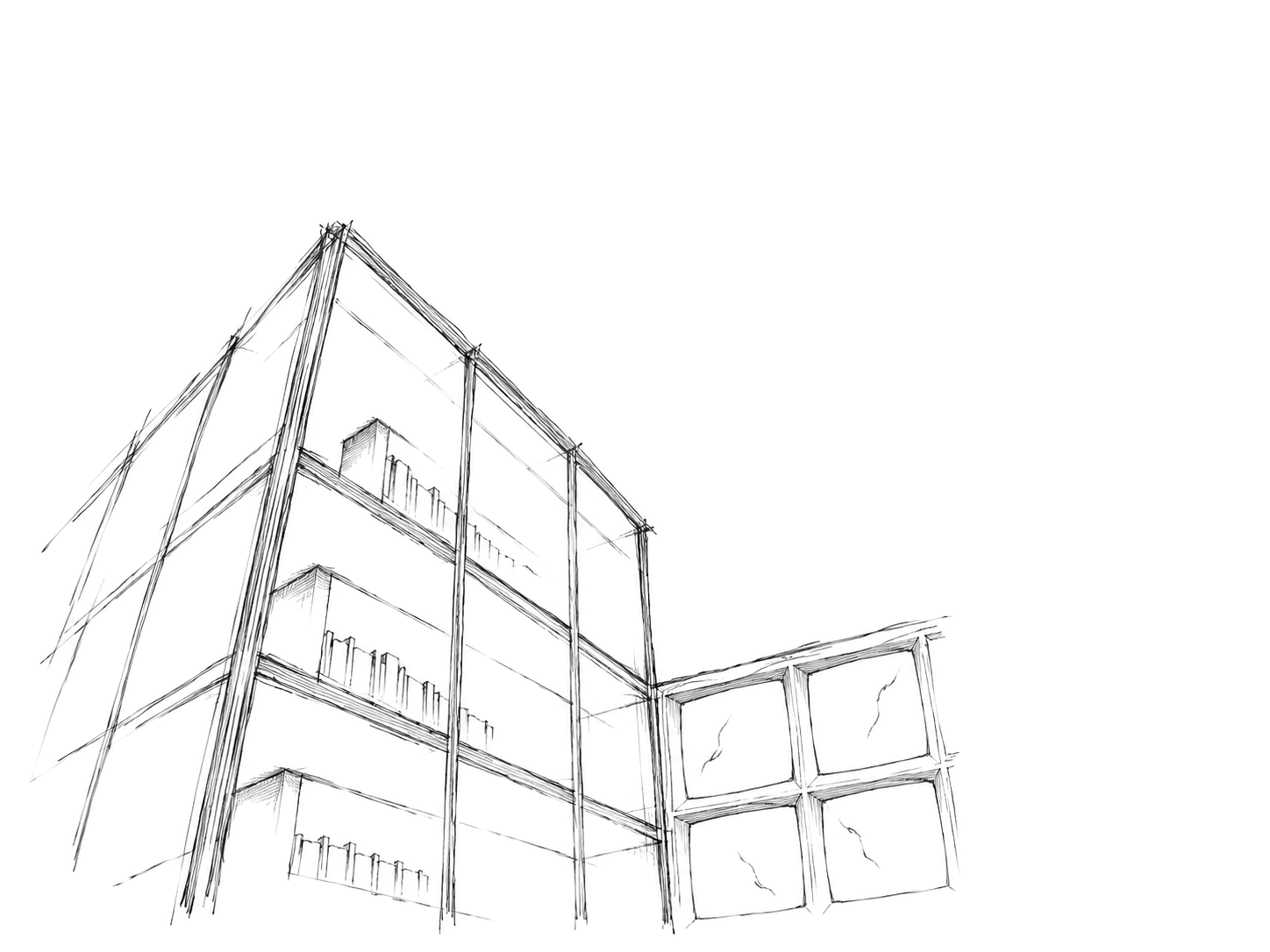
Beinecke's granite frame holds marble panels about 3 centimeters thick. They admit light while screening books from strong direct sun. Outside, the stone looks pale; inside during daylight, warm colors reveal its veining. A six-story glass book tower stands in the middle of the hall.

Source: beinecke.library.yale.edu

02 · Frank Pepe Pizzeria Napoletana

A plain pie may have no mozzarella

Pepe's original tomato pie comes without mozzarella.

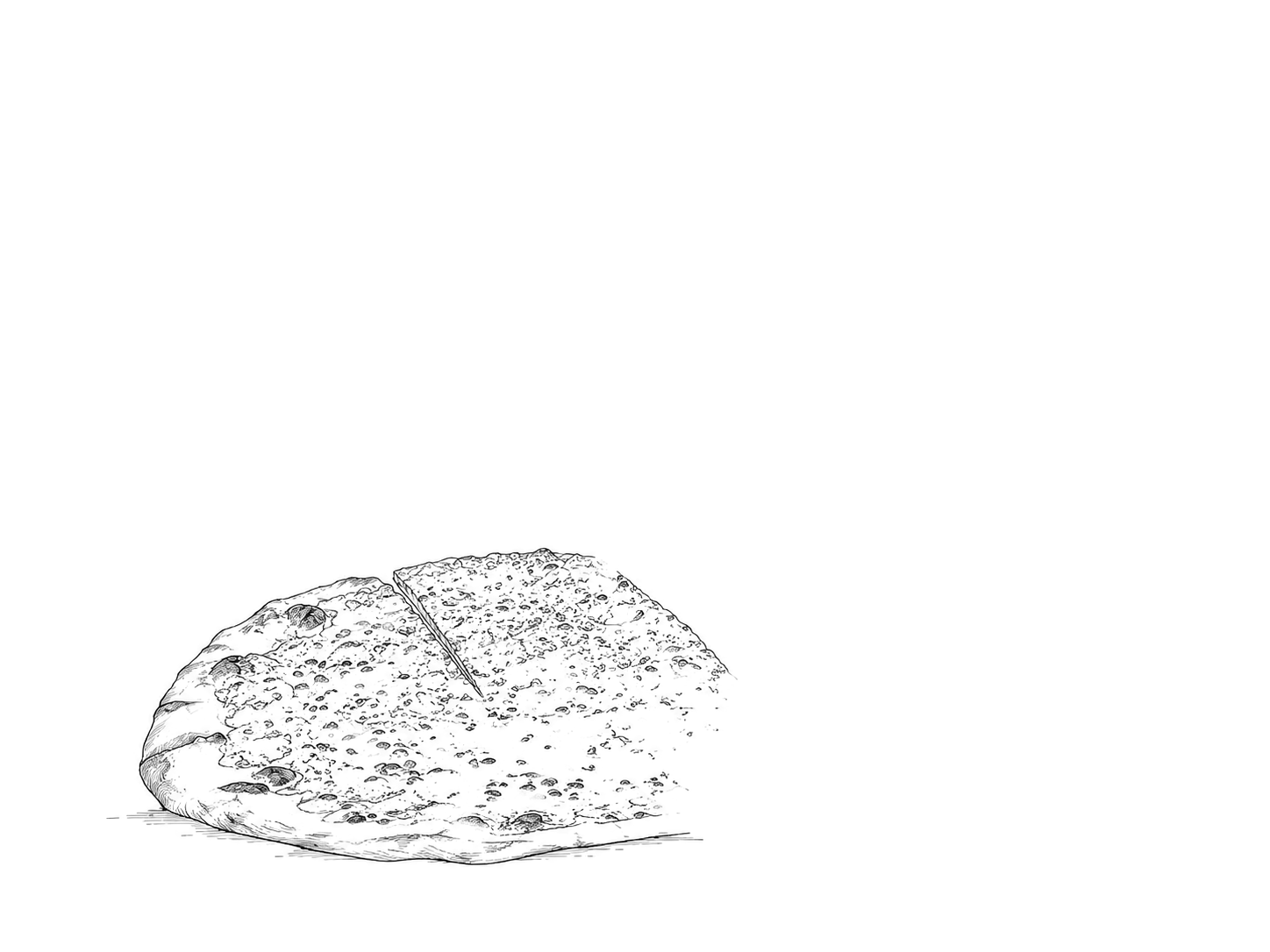
Pepe's early tomato pies used tomato, garlic, oregano, oil and grated hard cheese. A blanket of mozzarella was not standard. That distinction survives in New Haven ordering: plain or tomato pie need not come with stretchy cheese. Pepe's menu lists the mozzarella version separately. Even apizza, the word on local signs, retains the sound of Neapolitan immigrant speech.

Source: en.wikipedia.org Source: en.wikipedia.org Source: pepespizzeria.com Source: pepespizzeria.com Source: pepespizzeria.com

03 · New Haven Green

The square at the center

The Green still holds the center of the 1638 grid.

In 1638, colonists divided New Haven into nine squares and reserved the middle one for a market and common use. Schools, a jail, a meeting hall and churches later stood here; militia also drilled here. Most of those uses moved away. The central square still has broad lawns used for walks, shortcuts and music festivals.

Source: en.wikipedia.org

04 · Quinnipiac River Park

An oyster village by the river

Oyster work once crowded this riverbank.

Fair Haven first grew around a ferry crossing; its tidal mudflats then brought an oyster trade. By the mid-19th century, harvesting, shucking and shipping oysters were major riverside livelihoods. Homes, shops and processing yards crowded the water's edge. Along Front Street, old houses still stand close to the river.

Source: en.wikipedia.org

Continue in the app

Carry all 79 New Haven stories with you

Read without location access. Pass-by reminders are optional, and precise location is never uploaded.