City preview · NEW ORLEANS

In New Orleans, the streetcar seats reverse too

St. Charles streetcars can run from either end, and their seat backs flip to face the other way. Zulu’s parade coconuts are decorated one by one. Beside Jackson Square, initials in cast-iron galleries name the woman who paid for the buildings. Preservation Hall began with jazz gatherings in a small art gallery.

4 web previews 62 stories in the app

Canal @ Carondelet · Editorial illustration, not a historical photo

A streetcar ride, a parade gift and a room for jazz

Reversible seats, painted coconuts, cast-iron initials and gallery jazz

Four complete stories and their public sources are shown here; the rest of the collection is in the app.

01 · Canal @ Carondelet

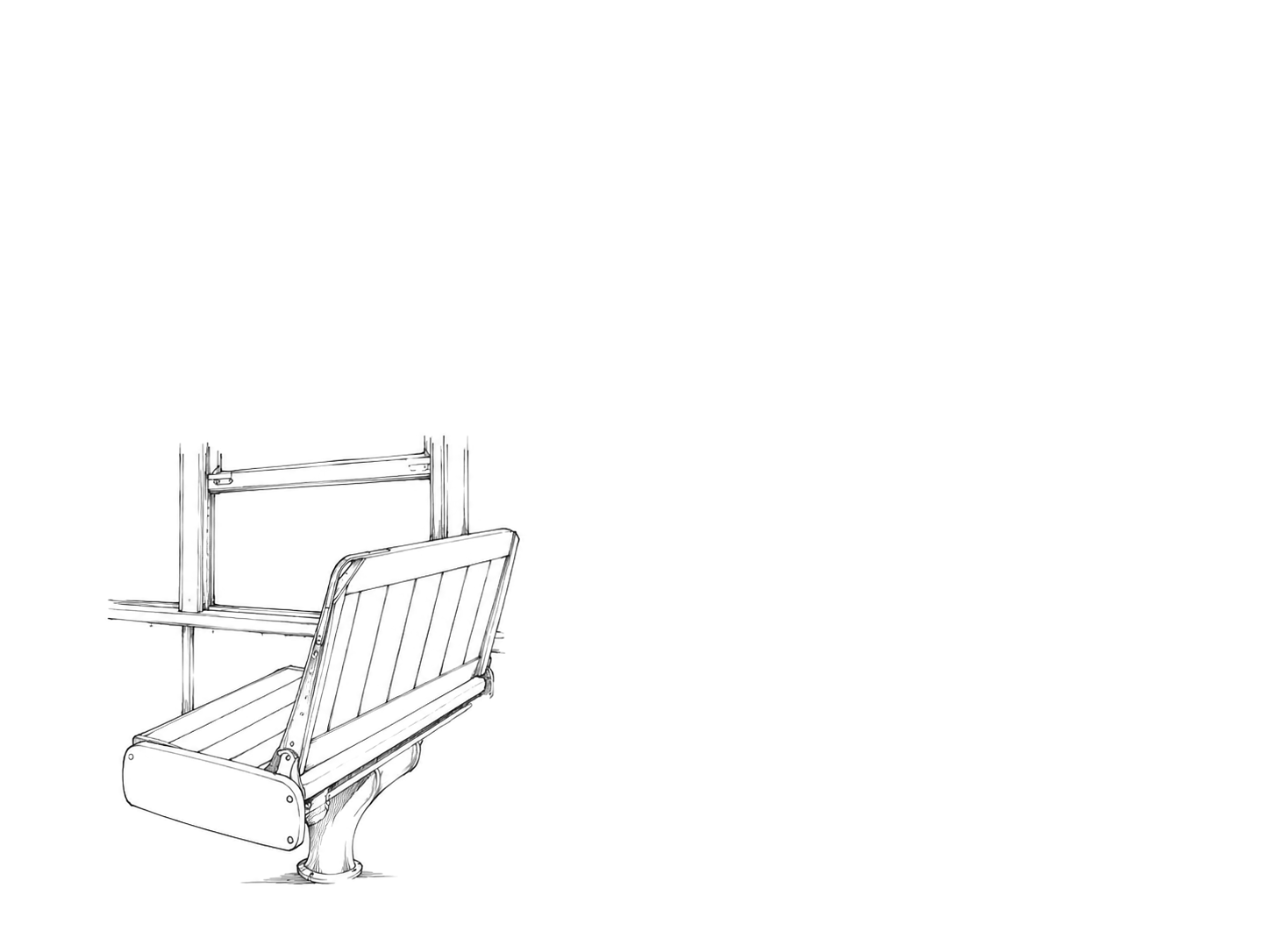
The car reverses; the seatbacks follow

The streetcar turns back without turning around.

The green St. Charles streetcars can be driven from either end. At the end of a run, the whole car does not need to turn around. The seats have a matching trick: their backs flip to the other side, making the same row face in the opposite direction. You sit on the same bench, but the front of the car has changed.

Source: storymaps.arcgis.com Source: oldtrails.com
02 · The Zulu Store

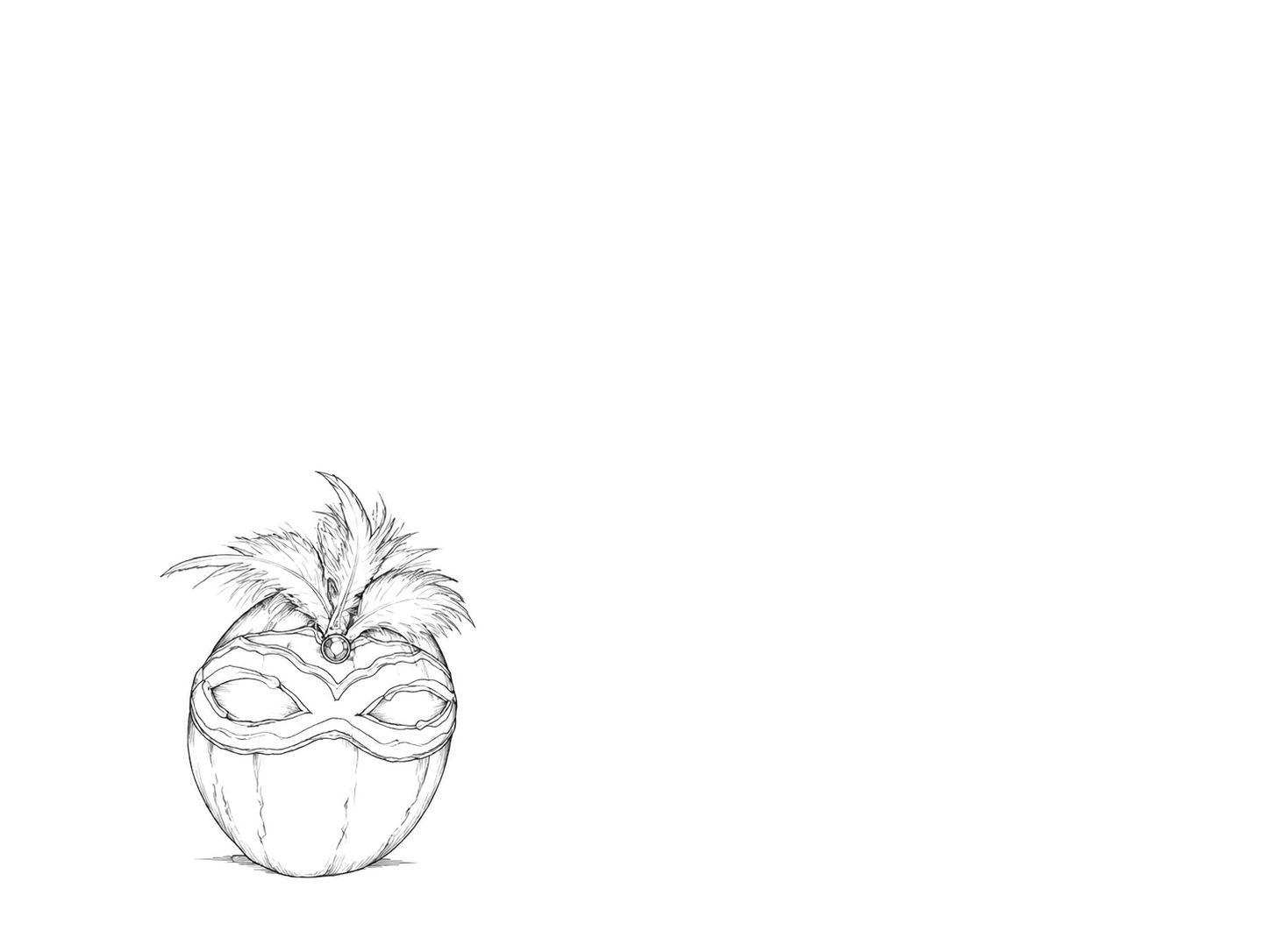
Painting coconuts before the parade

Every parade coconut starts with a paint job.

Mardi Gras parades send beads and other small gifts out to the people lining the streets. Zulu has something else to offer: coconuts. Each shell is painted and decorated individually, so no two gifts need look alike. Outside parade season, the club's own store also sells decorated coconuts. It is a place to see the work up close without waiting for a parade.

Source: kreweofzulu.com Source: louisianastatemuseum.org

03 · 1850 House Museum & Gift Shop

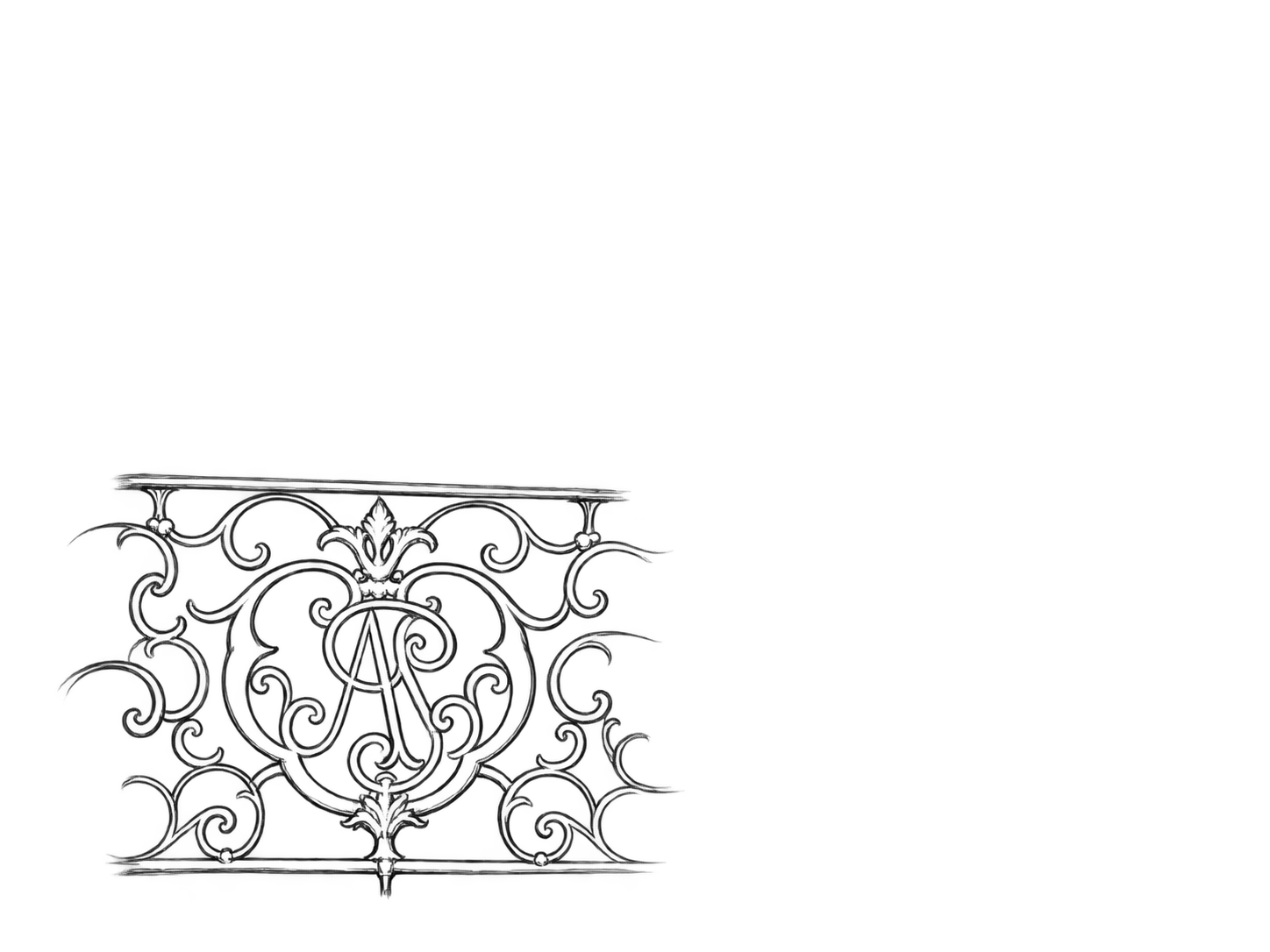
Two surnames in the ironwork

A and P repeat along the iron galleries.

Baroness Pontalba funded two rows of buildings beside the square, with businesses downstairs and homes above. In the cast-iron gallery railings, intertwined A and P initials represent her surnames, Almonester and Pontalba. In the mid-nineteenth century, these elaborate railings helped set a fashion. Other French Quarter houses soon added ornate iron galleries of their own.

Source: louisianastatemuseum.org Source: en.wikipedia.org Source: louisianastatemuseum.org

04 · Preservation Hall

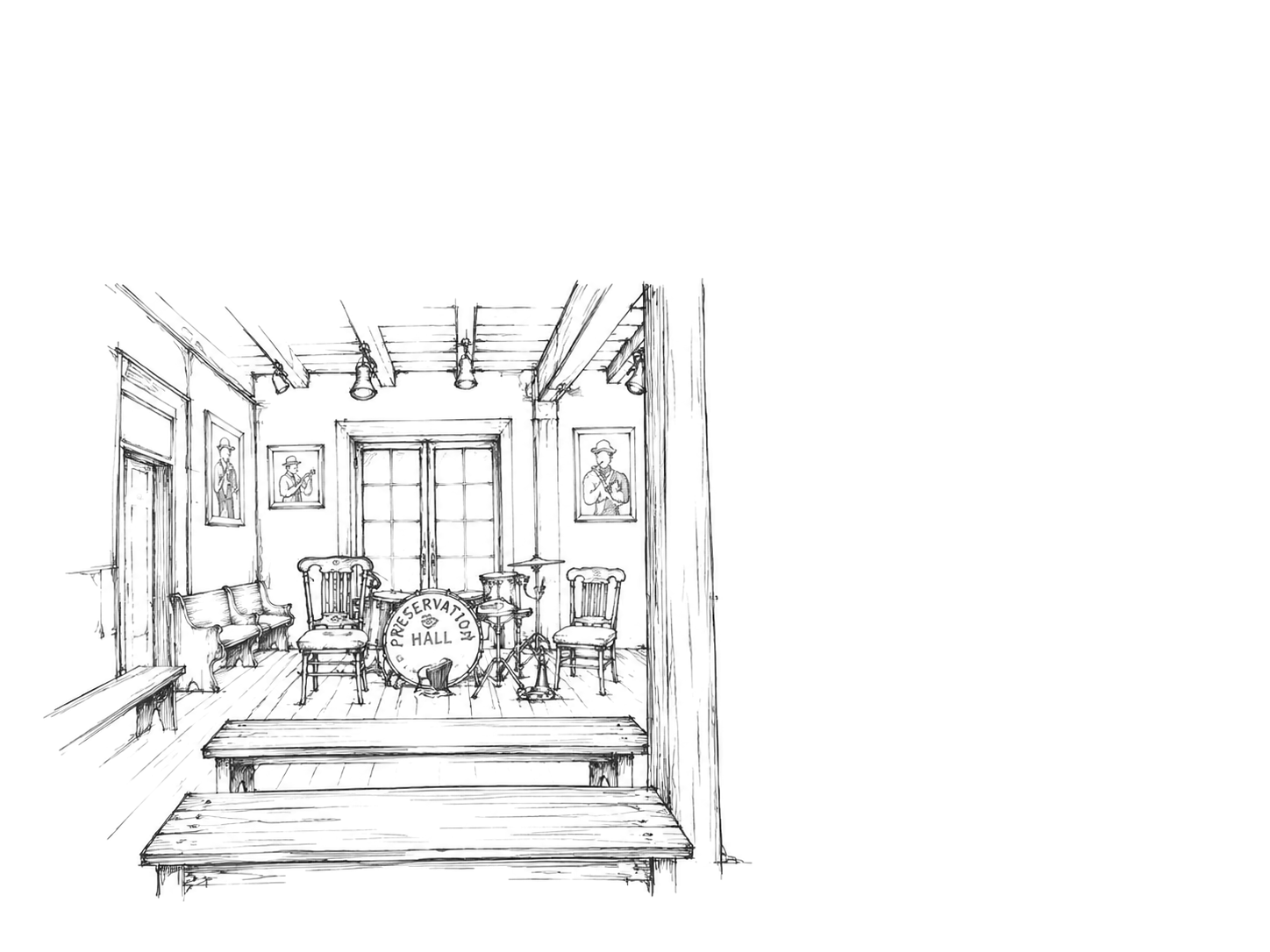
The gallery owner brought the music in

Too busy for jazz, he invited the musicians over.

After opening his gallery, Larry Borenstein found little time to go out and hear jazz. He invited local musicians to "rehearse" in his shop instead. Listeners gathered, and music took up more and more of the little room's life. The Jaffes later took over and developed what became Preservation Hall. It is still a small space, with benches close to the musicians and the dimensions of those early gallery gatherings.

Source: preservationhall.com

Continue in the app

Carry all 62 New Orleans stories with you

Read without location access. Pass-by reminders are optional, and precise location is never uploaded.