City preview · Oʻahu

On Oʻahu, palace lights meet the surf

A surfing lesson in Waikīkī became a national magazine article. Palace lamps record the kingdom’s early electrification and the room where a queen was later confined. Across the island, a vanished runway remains legible in grass, while aeʻo still feed at the edge of town.

4 web previews 95 stories in the app

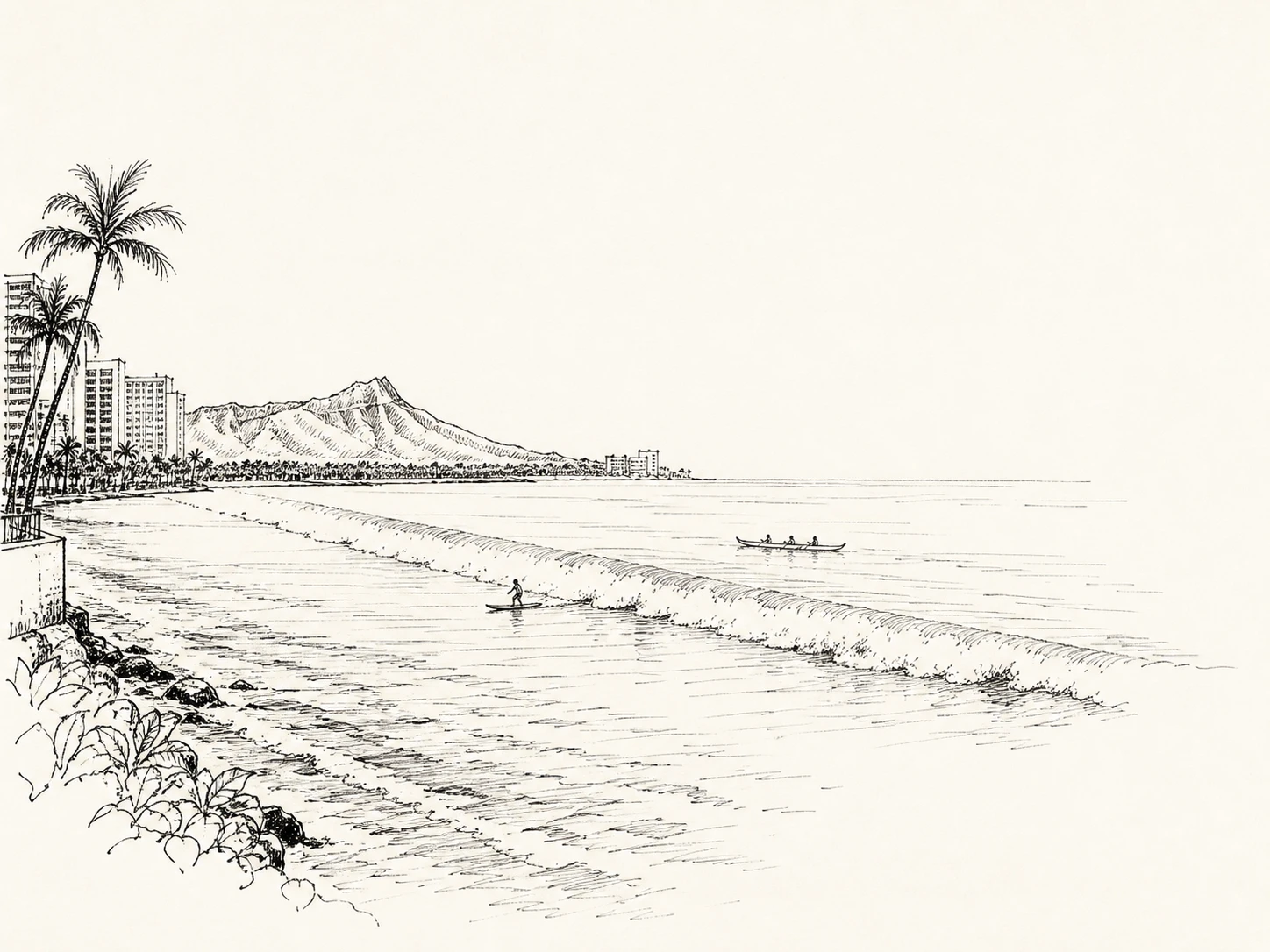
Royal Hawaiian Beach — Canoes · Editorial illustration, not a historical photo

Four places to begin

Palace lights, runways, surf, and wetlands

Four complete stories and their public sources are shown here; the rest of the collection is in the app.

01 · Royal Hawaiian Beach — Canoes

Jack London’s Surfing Article

Jack London learned to surf in Waikīkī, then wrote about it for a national US magazine.

In 1907, Jack London watched local children surf in Waikīkī and learned from Alexander Hume Ford. That October, Woman’s Home Companion published his "Riding the South Sea Surf," later collected in The Cruise of the Snark. The article introduced many US readers to Hawaiian surfing. Its mainland spread also depended on George Freeth’s California demonstrations and later promotion by Duke Kahanamoku and others.

Source: manoa.hawaii.edu Source: gutenberg.org Source: huntington.org Source: loa.org
02 · Iolani Palace

Electric Light in an Imprisonment Room

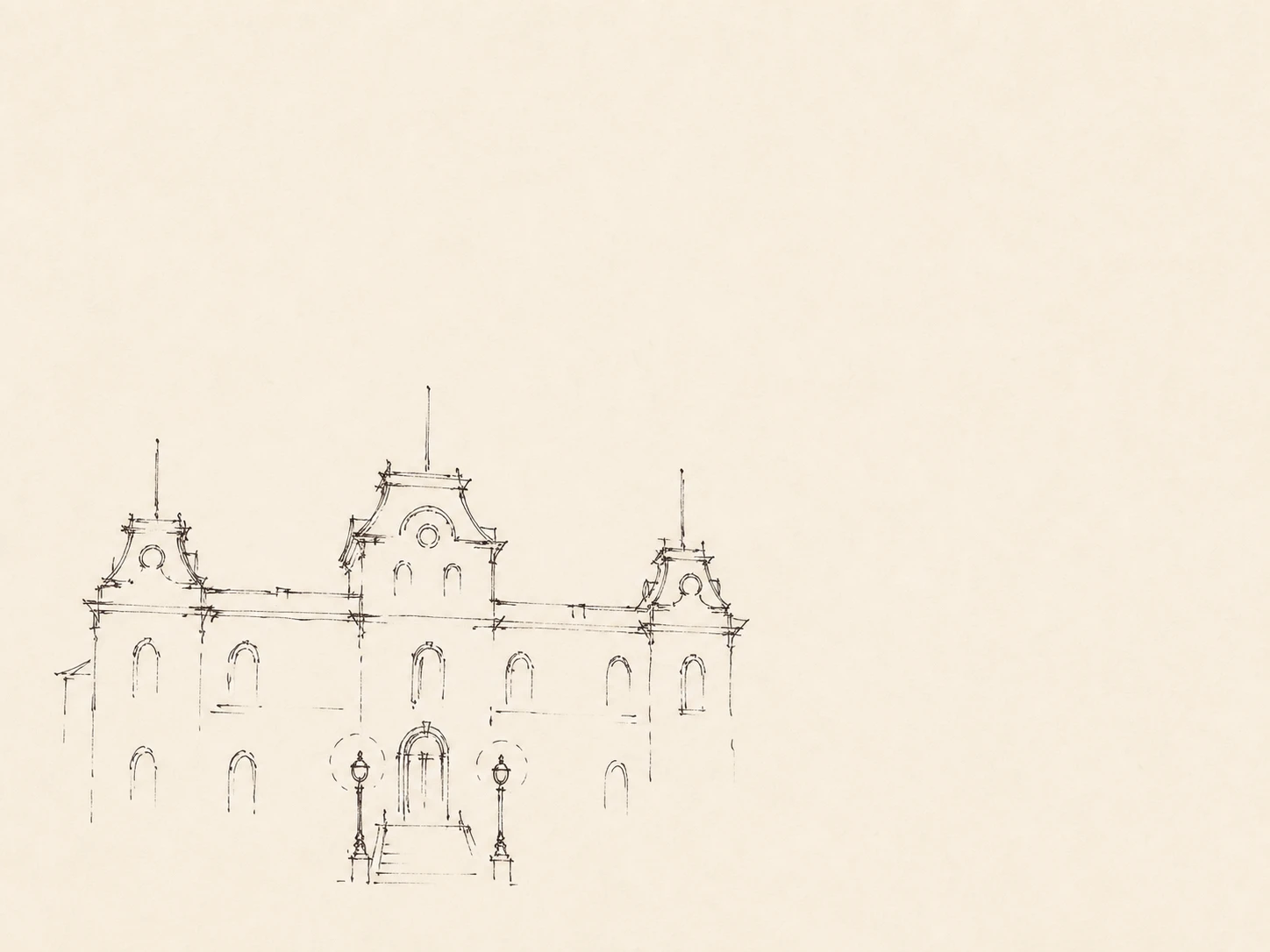
The palace lit 325 lamps, then confined a queen eight years later.

In 1887, 325 incandescent lamps illuminated ʻIolani Palace, leaving a physical record of early electrification in the Hawaiian Kingdom. Eight years later, an upstairs bedroom became Queen Liliʻuokalani's confinement room for nearly eight months. She was allowed one female companion and spent time praying, composing, crocheting, and helping sew a quilt. The museum retains reconstructed electric fixtures, the confinement room, and the Queen's quilt.

Source: iolanipalace.org Source: iolanipalace.org

03 · Kualoa Regional Park

The Runway Left; the Grass Stayed Straight

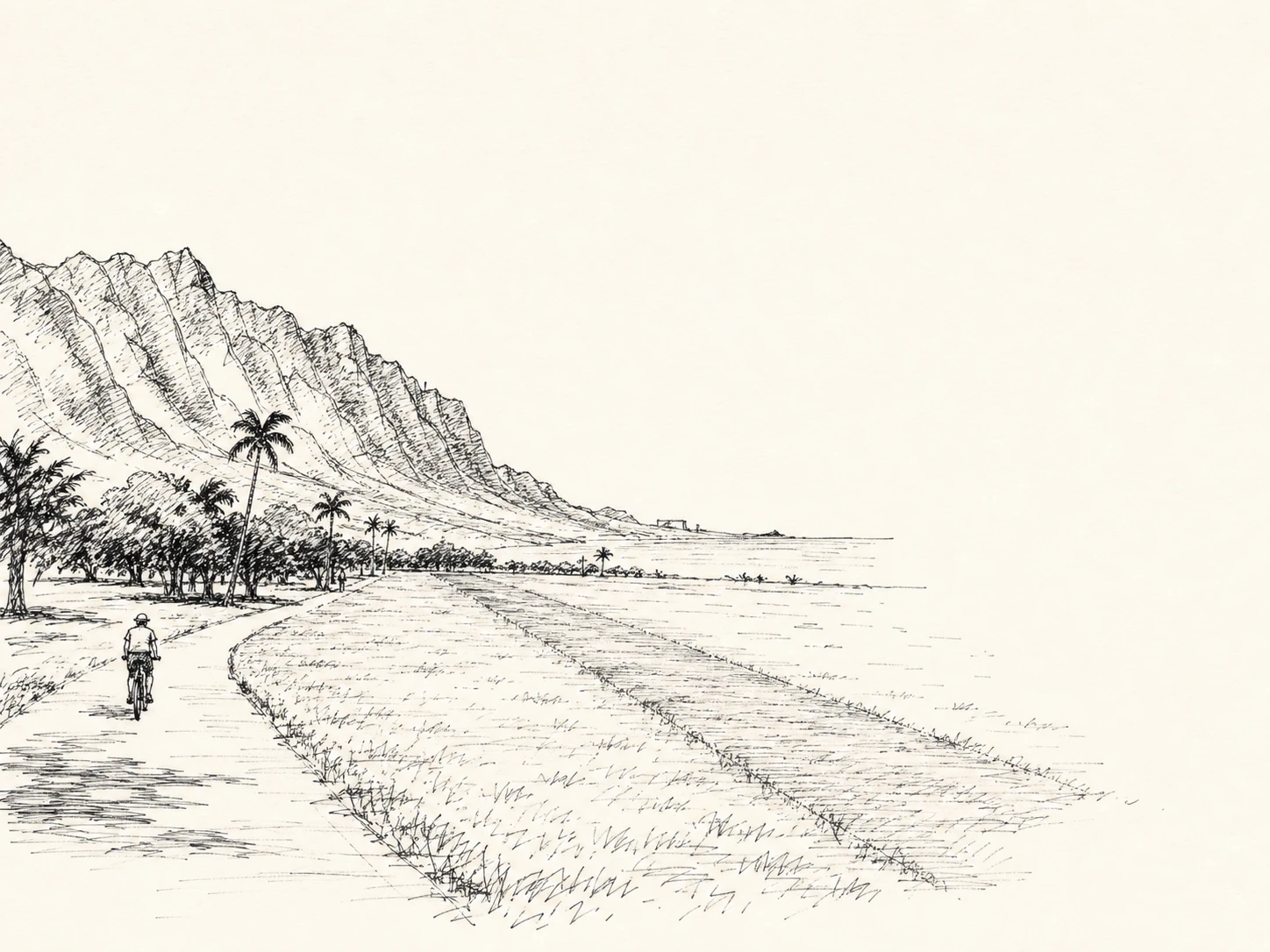
Kualoa's steel runway is gone, but its 6,000-foot line remains.

In 1942, the US military laid a fighter runway along the Kualoa coast, roughly 6,000 feet long and 150 feet wide, with a surface of removable steel matting. The airfield closed after the war, the matting was removed, and the site became the roughly 147-acre Kualoa Regional Park. No intact runway remains. A long, straight strip of grass still follows the former alignment.

Source: files.hawaii.gov Source: files.hawaii.gov

04 · Hāmākua Marsh Wildlife Sanctuary (Pu‘u o ‘Ehu)

Pink Legs at the Edge of Town

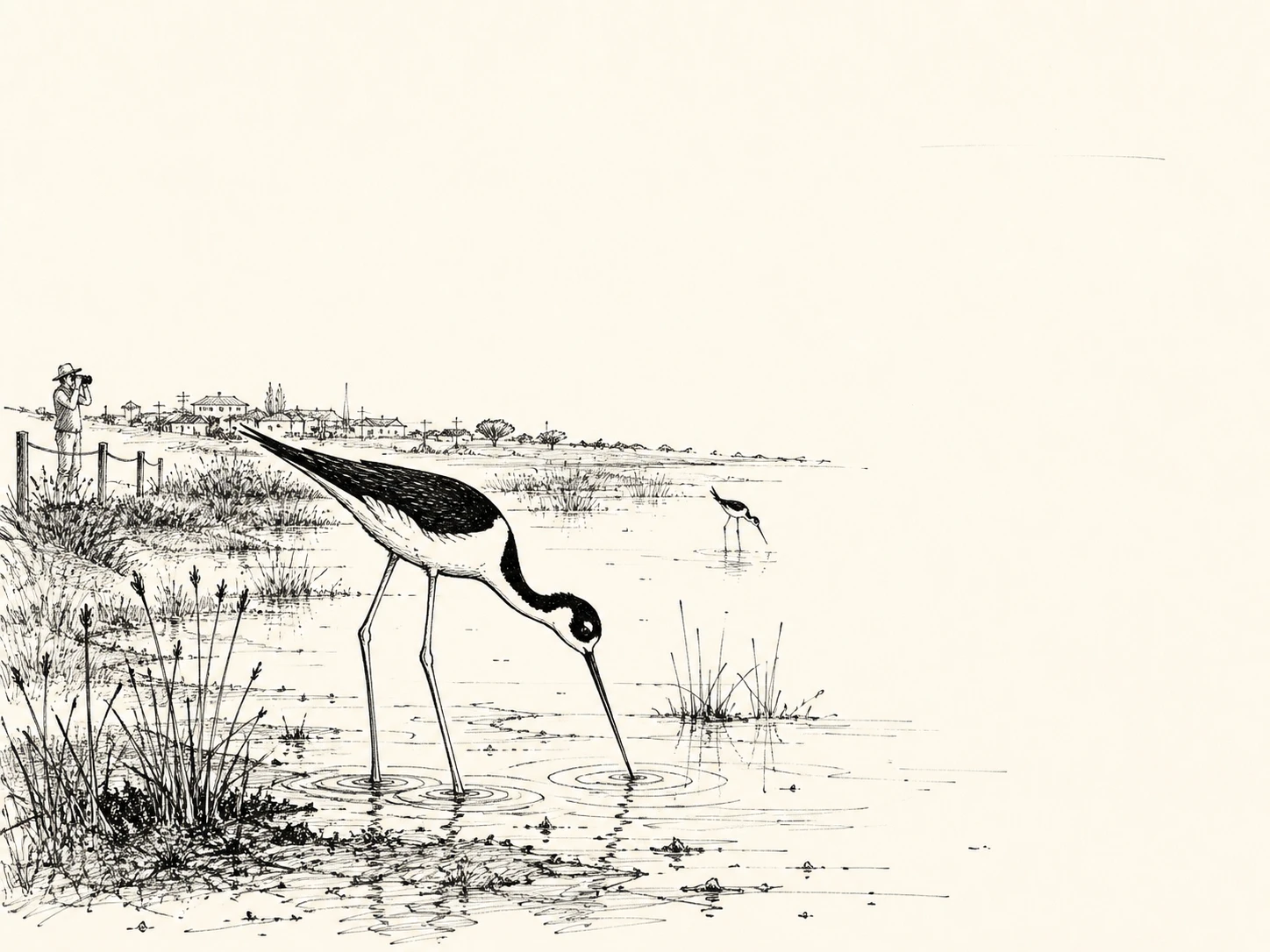
This black-and-white bird runs on improbably long pink legs.

Start with the legs when you are looking for aeʻo in shallow water: pink, and almost comically long. Hāmākua and neighboring Kawainui form Oʻahu's largest remaining wetland. DLNR lists four endemic, endangered waterbird species among its residents. Aeʻo peck as they wade; watch from the perimeter and never cross a fence to follow one.

Source: dlnr.hawaii.gov

Continue in the app

Carry all 95 Oʻahu stories with you

Read without location access. Pass-by reminders are optional, and precise location is never uploaded.