City preview · PARIS

Paris gave the Eiffel Tower a second job

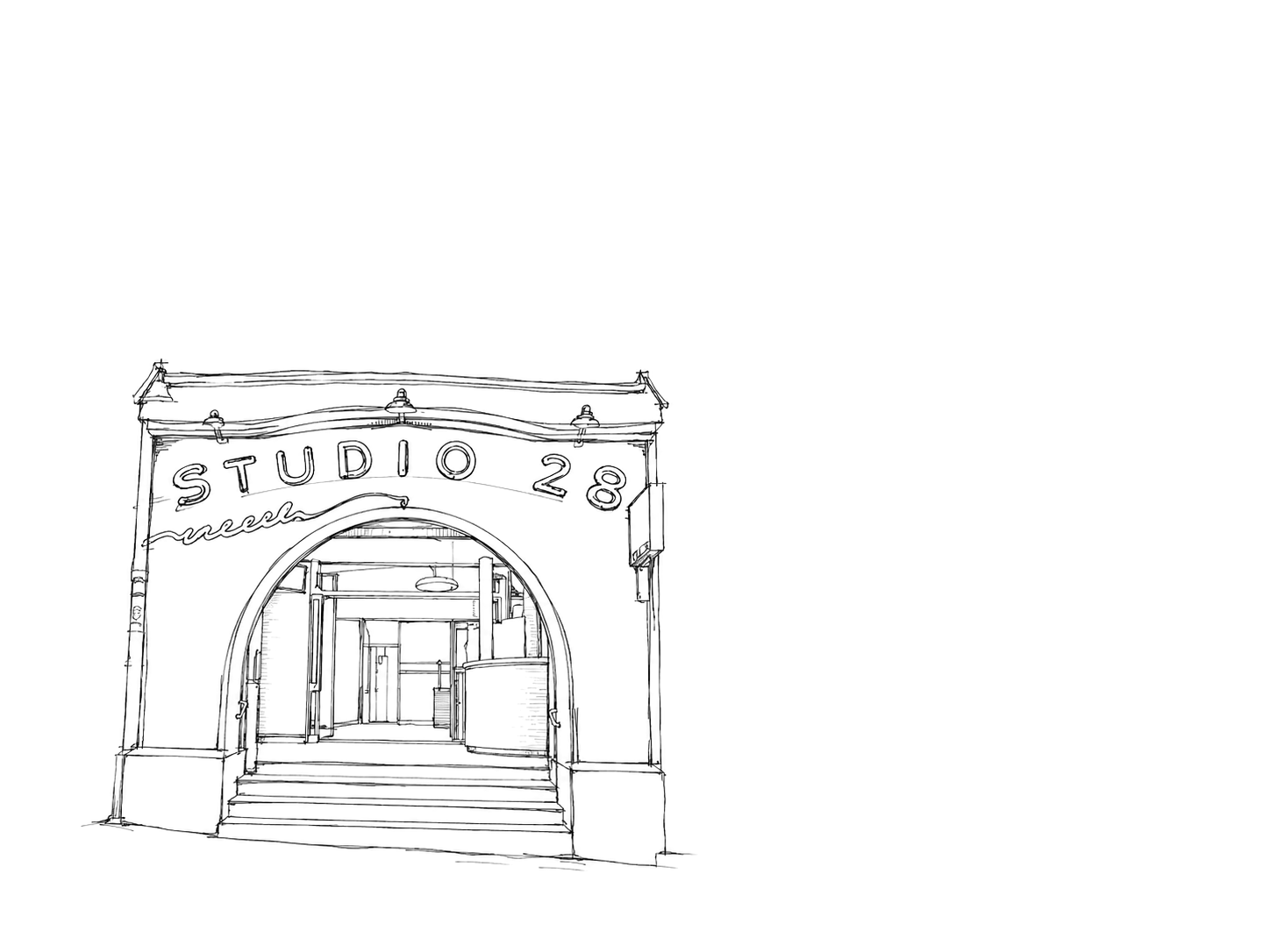
Radio experiments gave the Eiffel Tower a use beyond the 1889 exposition. Booksellers leave their boxes on the river wall overnight. Passage Brady’s covered shops sell South Asian food and groceries; in Montmartre, Studio 28 is the cinema where Amélie turns to watch the audience.

4 web previews 140 stories in the app

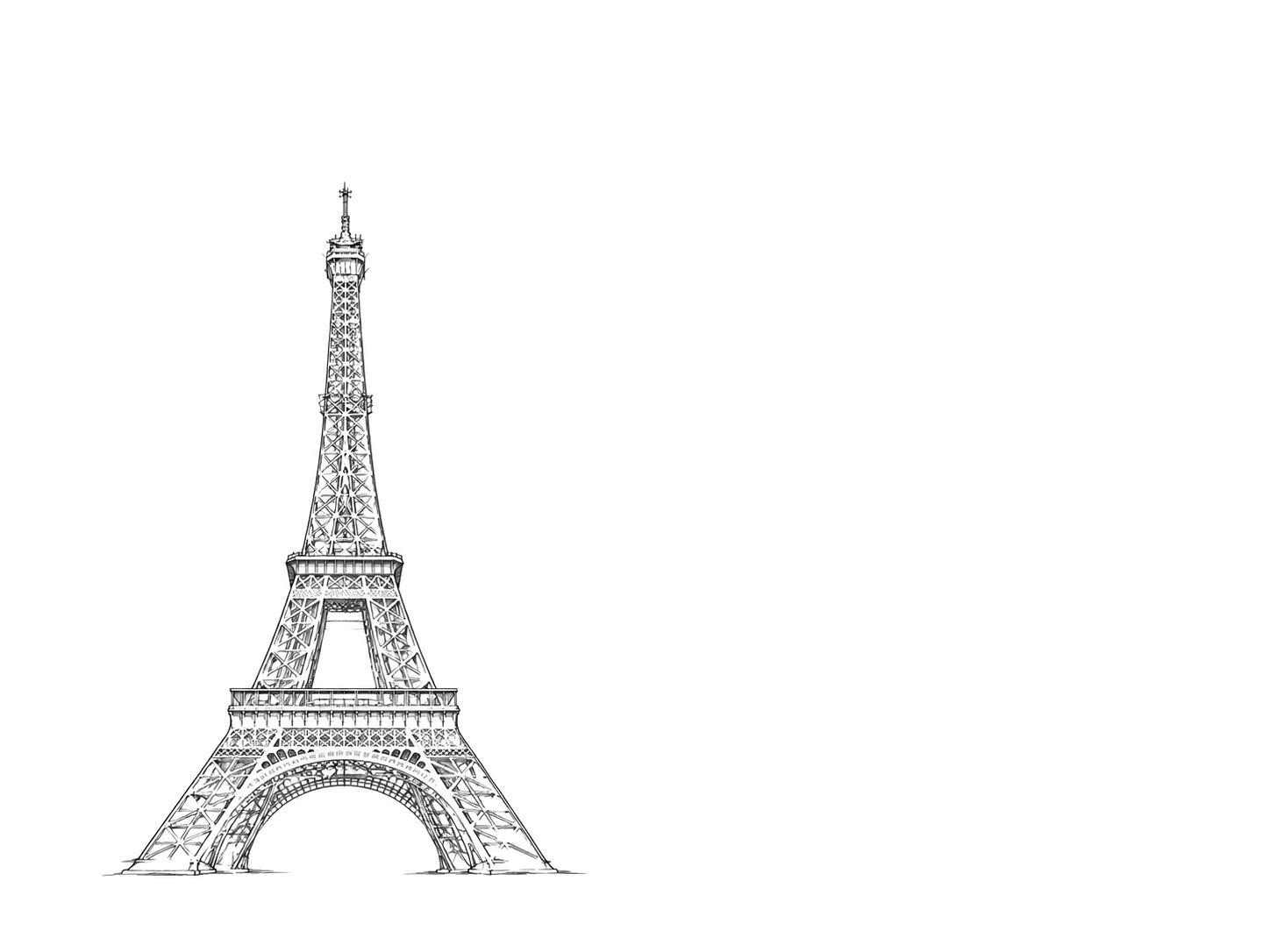
Tour Eiffel · Editorial illustration, not a historical photo

From the tower to the river, shops and cinema

Radio signals, book boxes, South Asian shops and a cinema audience

Four complete stories and their public sources are shown here; the rest of the collection is in the app.

01 · Tour Eiffel

Radio gave the tower more work to do

A temporary exposition structure became a useful transmitter.

The Eiffel Tower was built for the 1889 exposition with an initial permit lasting twenty years. Scientific work gave it uses beyond the fair, especially radio transmission. Antennas and nearby radio facilities made its height useful. Standard-time signals from the Paris Observatory were broadcast from the tower. These continuing uses helped keep it standing after its exhibition role ended.

Source: en.wikipedia.org Source: toureiffel.paris
02 · Bouquinistes du quai Saint-Michel

Book boxes that stay overnight

A hinged lid opens a small riverside shop.

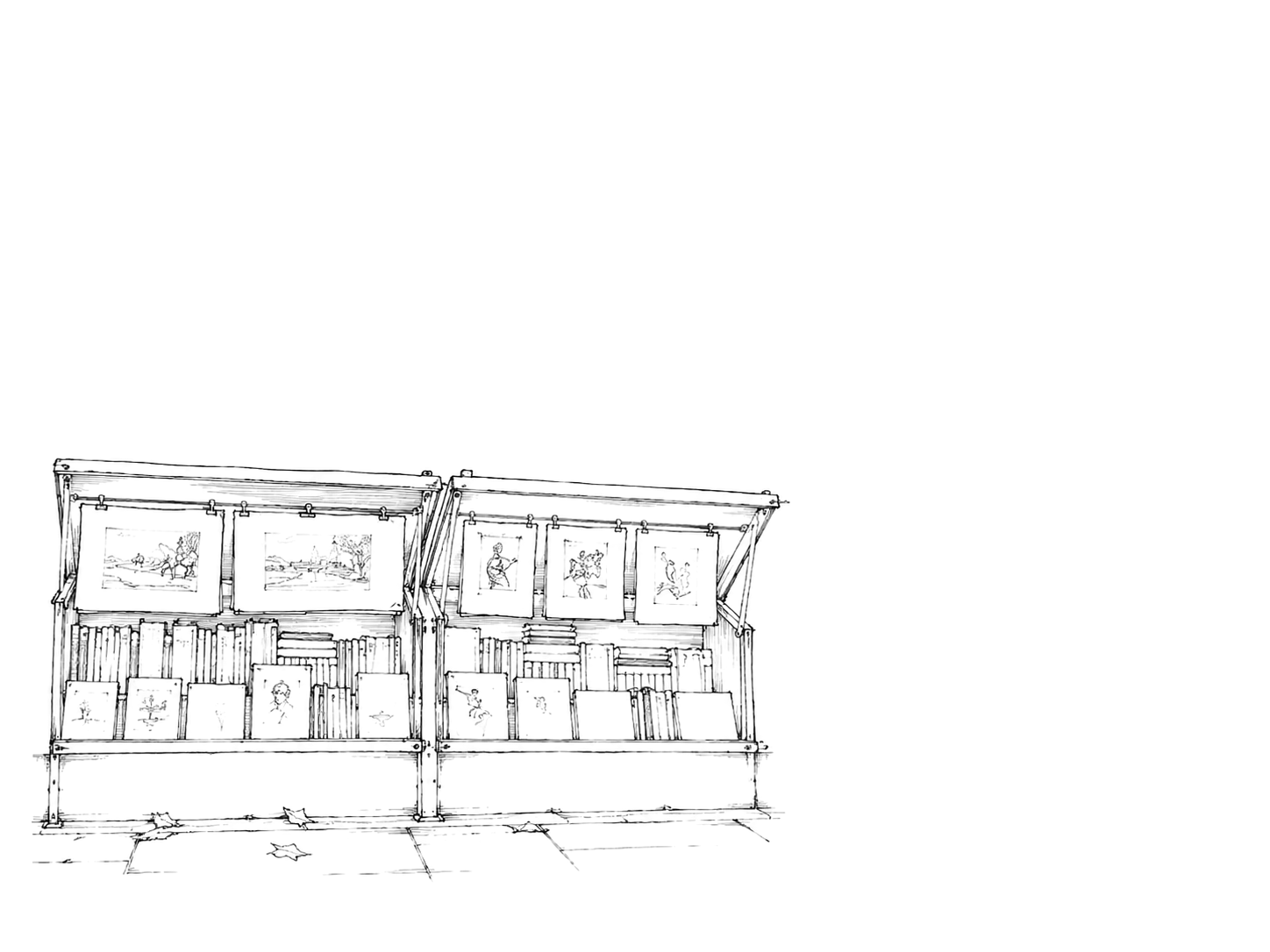
Paris's riverside booksellers do not need to carry every book home at closing time. From 1891, licensed sellers were allowed to leave their boxes on the river parapets overnight. By day, lifted lids reveal books and old prints; at closing, the boxes are shut and locked. The familiar green boxes are also working shops with a daily opening routine.

Source: en.wikipedia.org

03 · Passage Brady

South Asian shops beneath a glass roof

A nineteenth-century passage acquired a new neighborhood role.

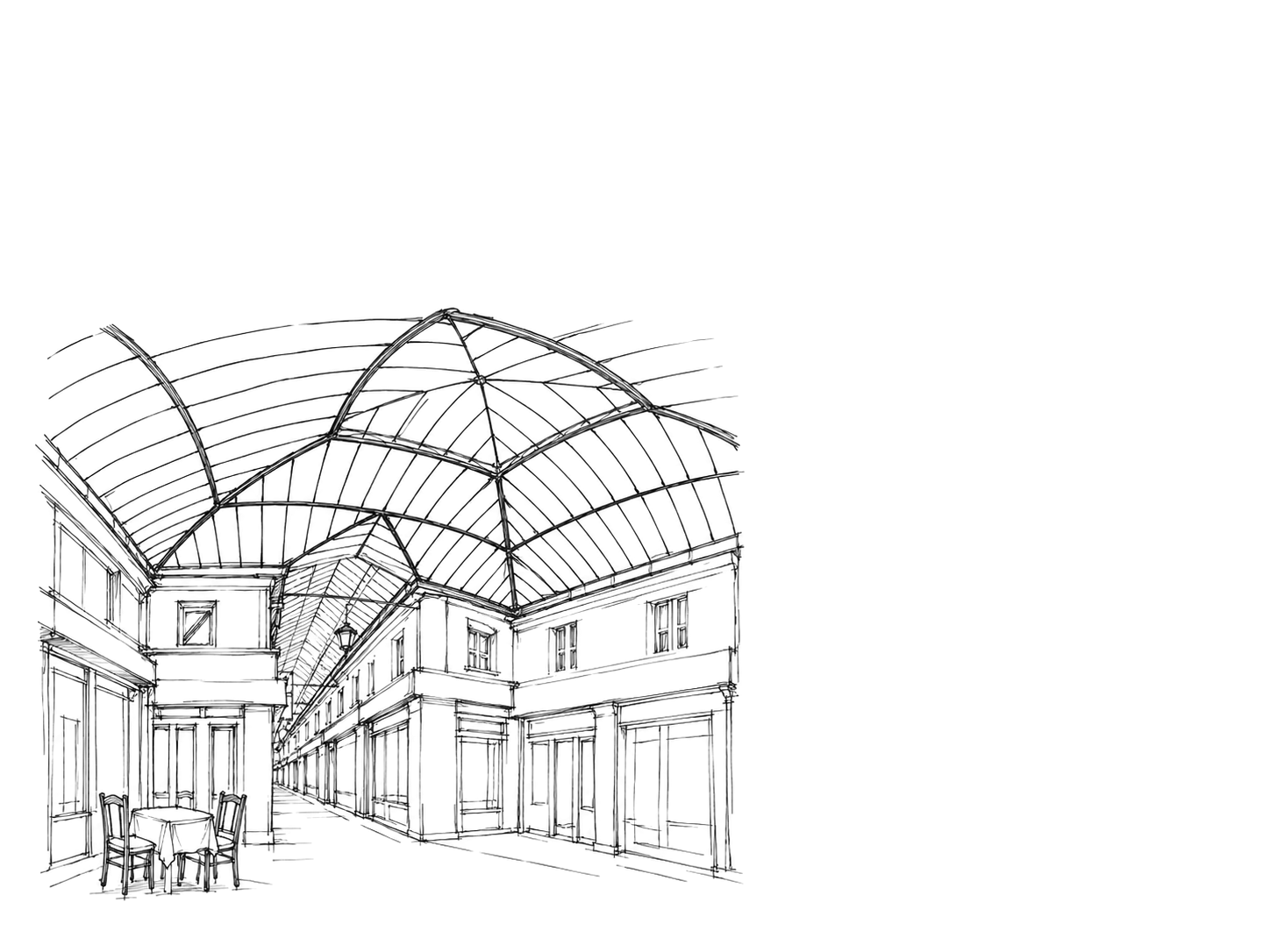
Passage Brady opened in 1828 and was later divided by the new boulevard de Strasbourg. The surviving covered section gradually attracted restaurants and shops with Indian, Pakistani and Bangladeshi connections. Its glass roof shelters businesses selling food, spices and everyday goods. An older commercial passage now accommodates the needs and tastes of later residents.

Source: en.wikipedia.org

04 · Cinéma Studio 28

Watching the audience at the cinema

Amélie's backward glance was filmed at Studio 28.

In Amélie, the heroine turns away from the lit screen to watch other audience members' faces in the dark. The scene was filmed at Studio 28 in Montmartre. Opened in 1928, it became a neighborhood venue for art films, with auditorium wall lights designed with Jean Cocteau's involvement. It still screens films; the program outside tells passersby what is showing.

Source: paris.fr Source: cinema-studio28.fr

Continue in the app

Carry all 140 Paris stories with you

Read without location access. Pass-by reminders are optional, and precise location is never uploaded.