City preview · PHILADELPHIA

Philadelphia’s Liberty Bell bears the marks of a failed repair

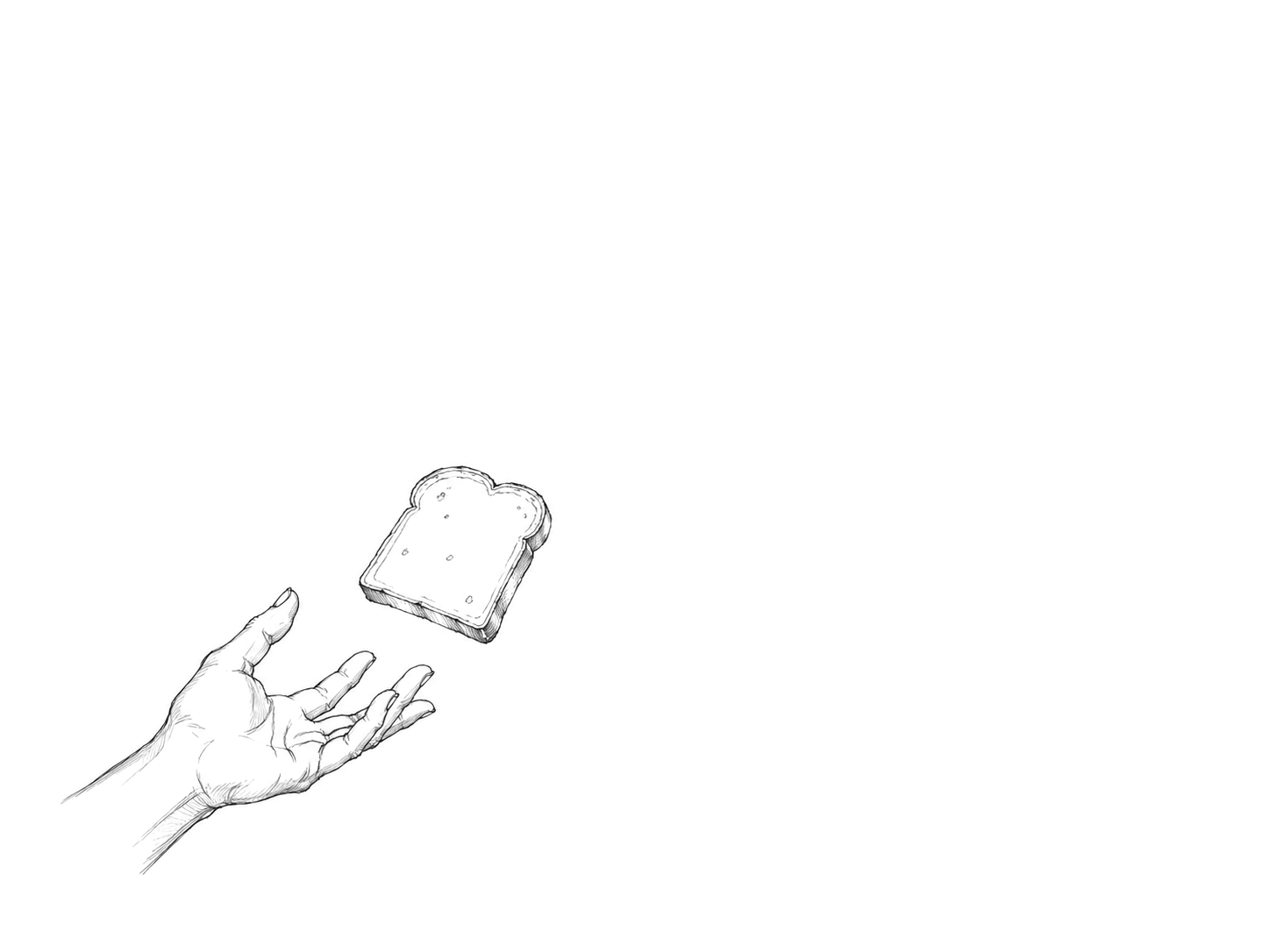
Workers drilled the Bell’s crack wider in an attempt to stop it spreading. Reading Terminal Market stayed below the trains, and William Penn’s statue changed direction on its way to the top of City Hall. At Penn home football games, the crowd answers a musical toast with slices of bread.

4 web previews 64 stories in the app

Liberty Bell Center · Editorial illustration, not a historical photo

From the Liberty Bell to a market and a football field

Drill marks, a market beneath the tracks, a turned statue and flying toast

Four complete stories and their public sources are shown here; the rest of the collection is in the app.

01 · Liberty Bell Center

The crack workers made wider

Part of that famous gap was deliberately drilled wider.

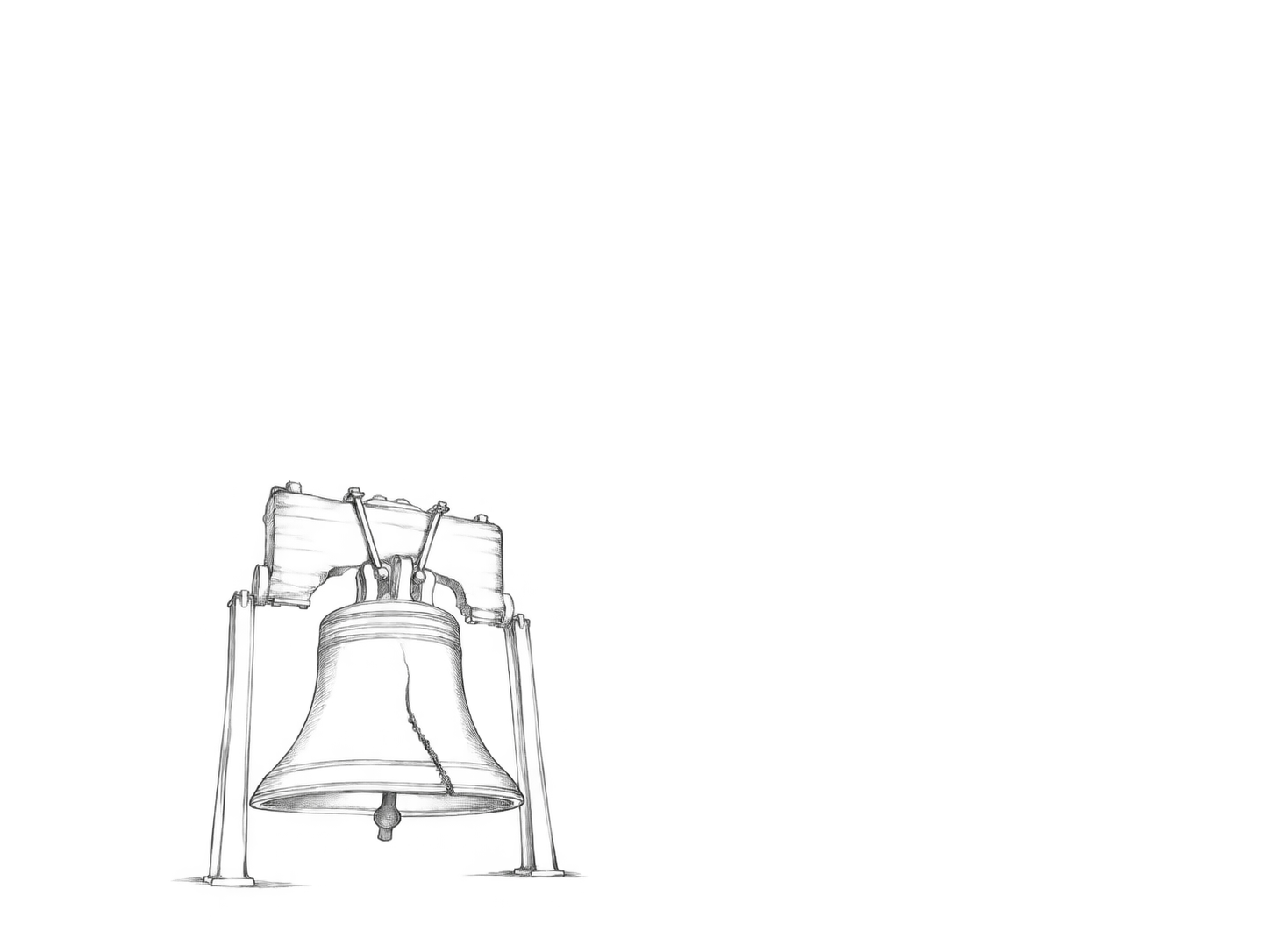
The Liberty Bell began with a thin crack. Workers drilled along it, widening the opening in an attempt to stop it spreading and let the bell ring again. The repair failed, and another crack formed. So the broad gap visible today is not entirely a break that happened by itself. The series of rounded marks along its edges came from the drill.

Source: nps.gov
02 · Reading Terminal Market

Groceries downstairs, trains upstairs

The vendors stayed. The station went upstairs.

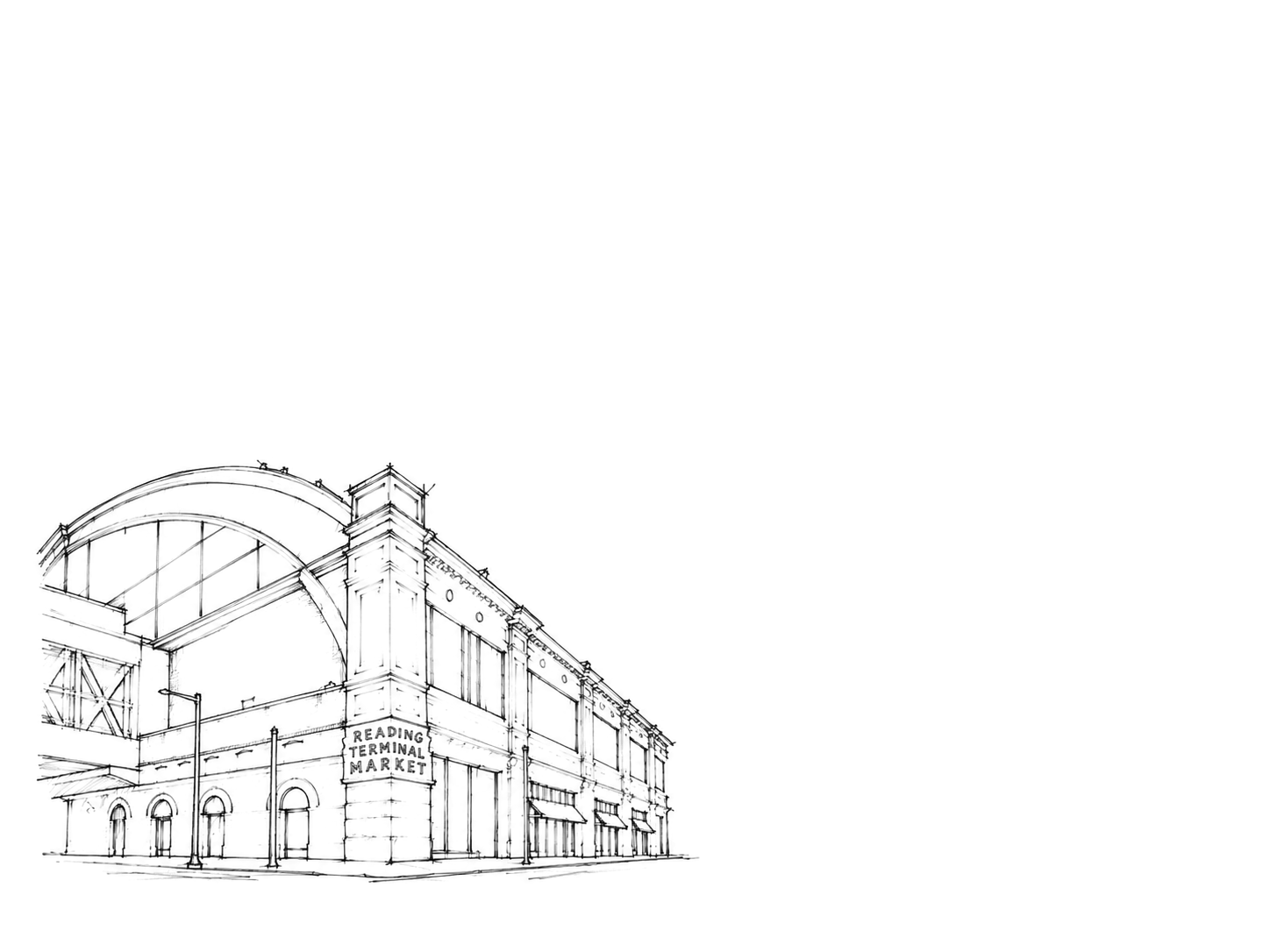
The railroad bought this site for a station, but the market vendors refused to leave. The compromise put the market downstairs and arriving trains above it. Station and market opened in the same building in 1893. Later, suburban customers could order groceries without coming into town: the market loaded their baskets onto trains, and they picked them up at their local stations.

Source: readingterminalmarket.org

03 · Philadelphia City Hall

Penn faced another way when he went upstairs

The sculptor wanted Penn's face toward the sun.

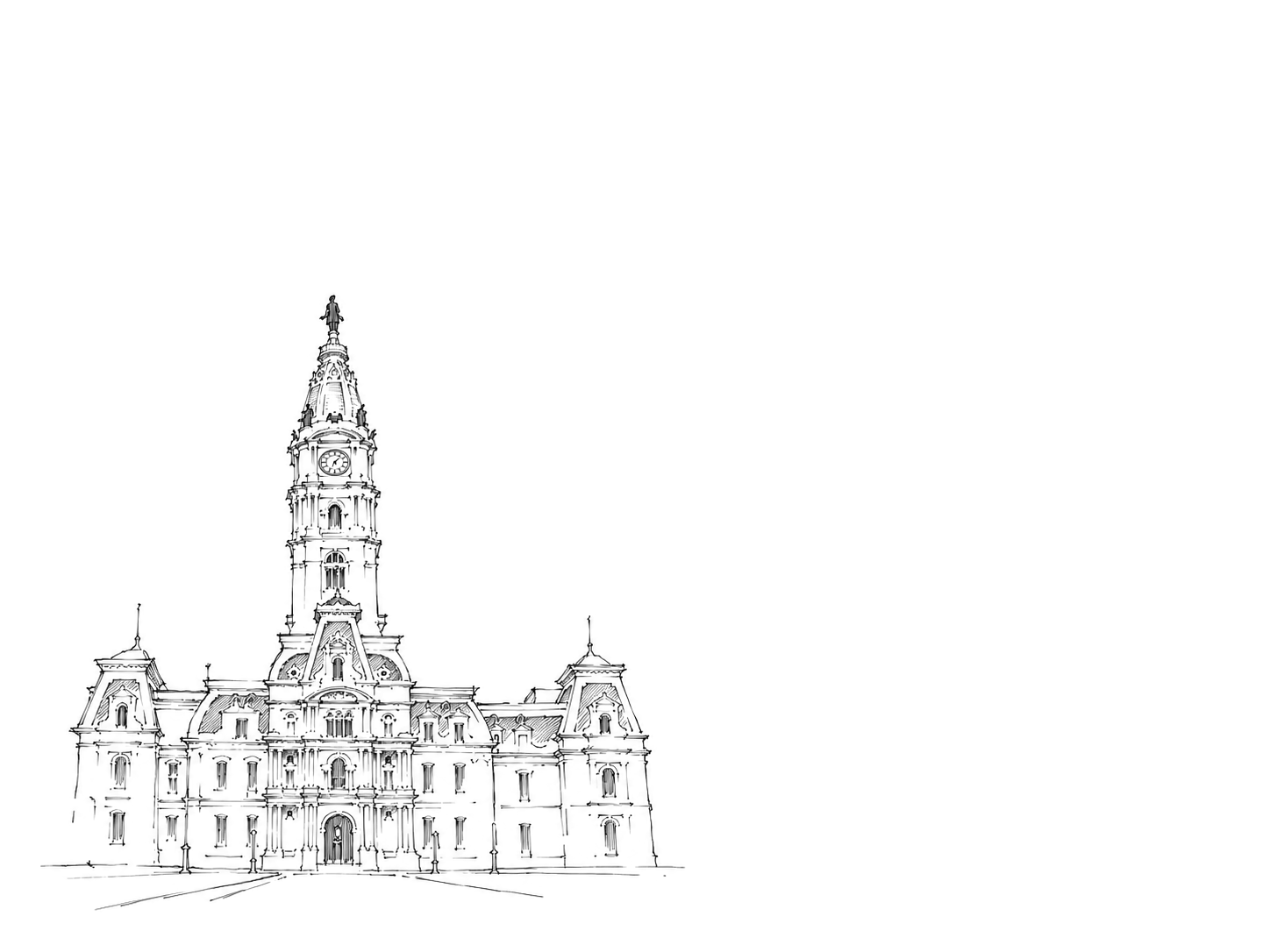
Sculptor Alexander Milne Calder wanted the bronze William Penn to face south so sunlight would fall on his face. In photographs from 1893, the giant figure still stood in City Hall's courtyard. When it was installed on the tower in 1894, the architect turned it northeast instead. Calder was unhappy: the face would often be backlit, even from that height. From the street today, the hat and extended hand are easier to make out than Penn's features.

Source: blog.phillyhistory.org Source: philadelphiaencyclopedia.org Source: loc.gov

04 · Franklin Field

When a toast means throwing toast

The song calls for a toast. Bread follows.

Between the third and fourth quarters at Penn home football games, the crowd sings a school song. At the line calling for a toast to the school, spectators throw actual toast toward the field. Several accounts explain the custom, including bread replacing drinks after an alcohol ban and inspiration from film screenings. Whatever the origin, the timing is consistent: reach that word, throw the toast. A cleaning machine collects it after the game.

Source: penntoday.upenn.edu

Continue in the app

Carry all 64 Philadelphia stories with you

Read without location access. Pass-by reminders are optional, and precise location is never uploaded.