City preview · PORTLAND

Portland makes strange ideas practical

Some of Portland’s defining public spaces began with a decision to move convention aside. Oregon closed a riverfront highway, while TriMet designed a new bridge without lanes for private cars. That independent streak still shapes how people use land, move around, and make room for places that follow rules of their own.

4 web previews 78 stories in the app

Salmon Street Springs · Editorial illustration, not a historical photo

After the strange idea takes hold

Portland changes the rules of the street

Four complete stories and their public sources are shown here; the rest of the collection is in the app.

01 · Salmon Street Springs

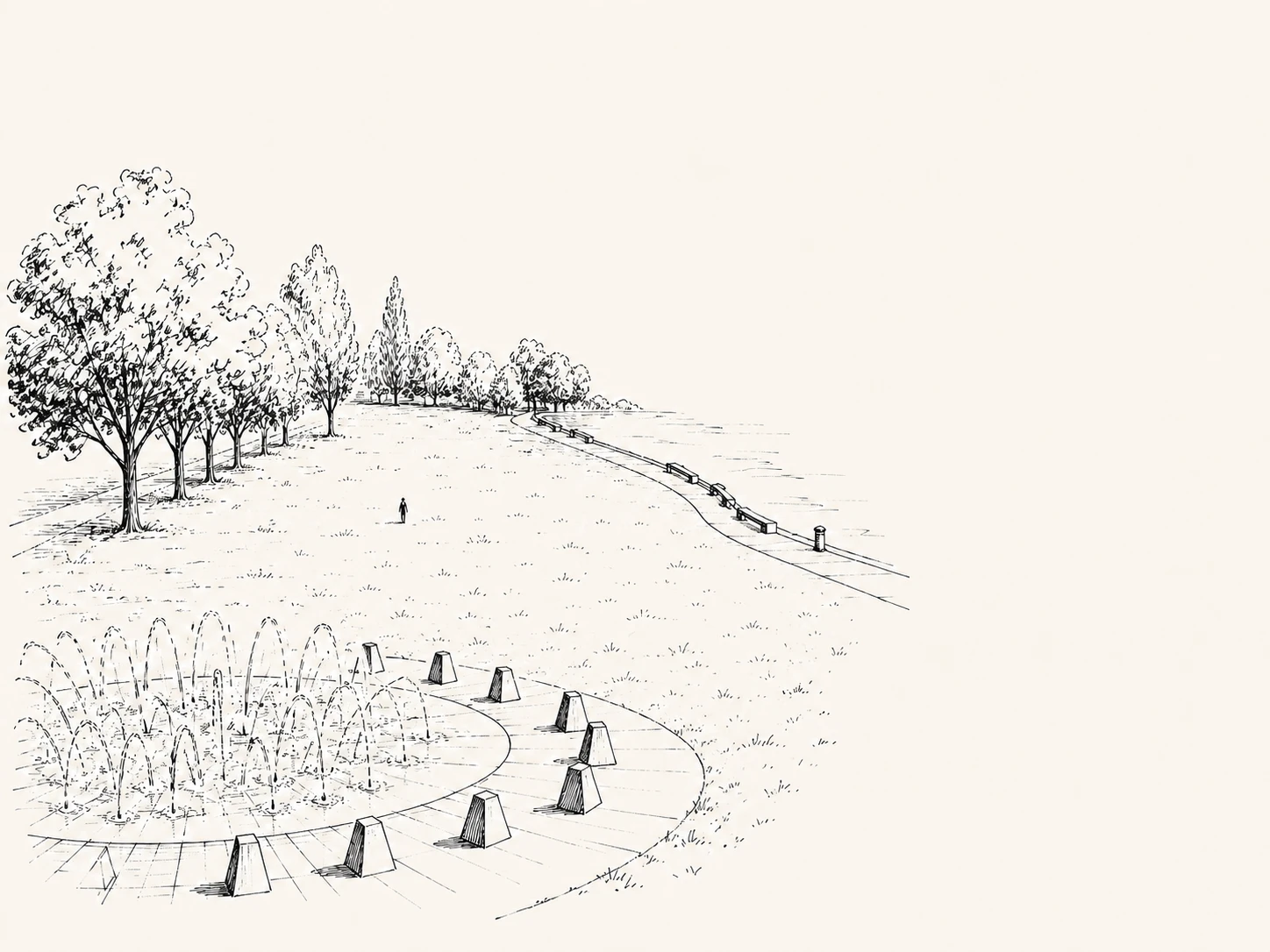
The road beneath the lawn

This riverfront lawn once carried the lanes of Harbor Drive.

Harbor Drive ran along the west bank of the Willamette through downtown. Oregon closed this stretch in 1974, crews removed the roadway, and the new park opened in 1978. Portland's project became an early example of urban highway removal. The lawns around Salmon Street Springs still follow the former road corridor.

Source: portland.gov Source: portland.gov
02 · Tilikum Crossing

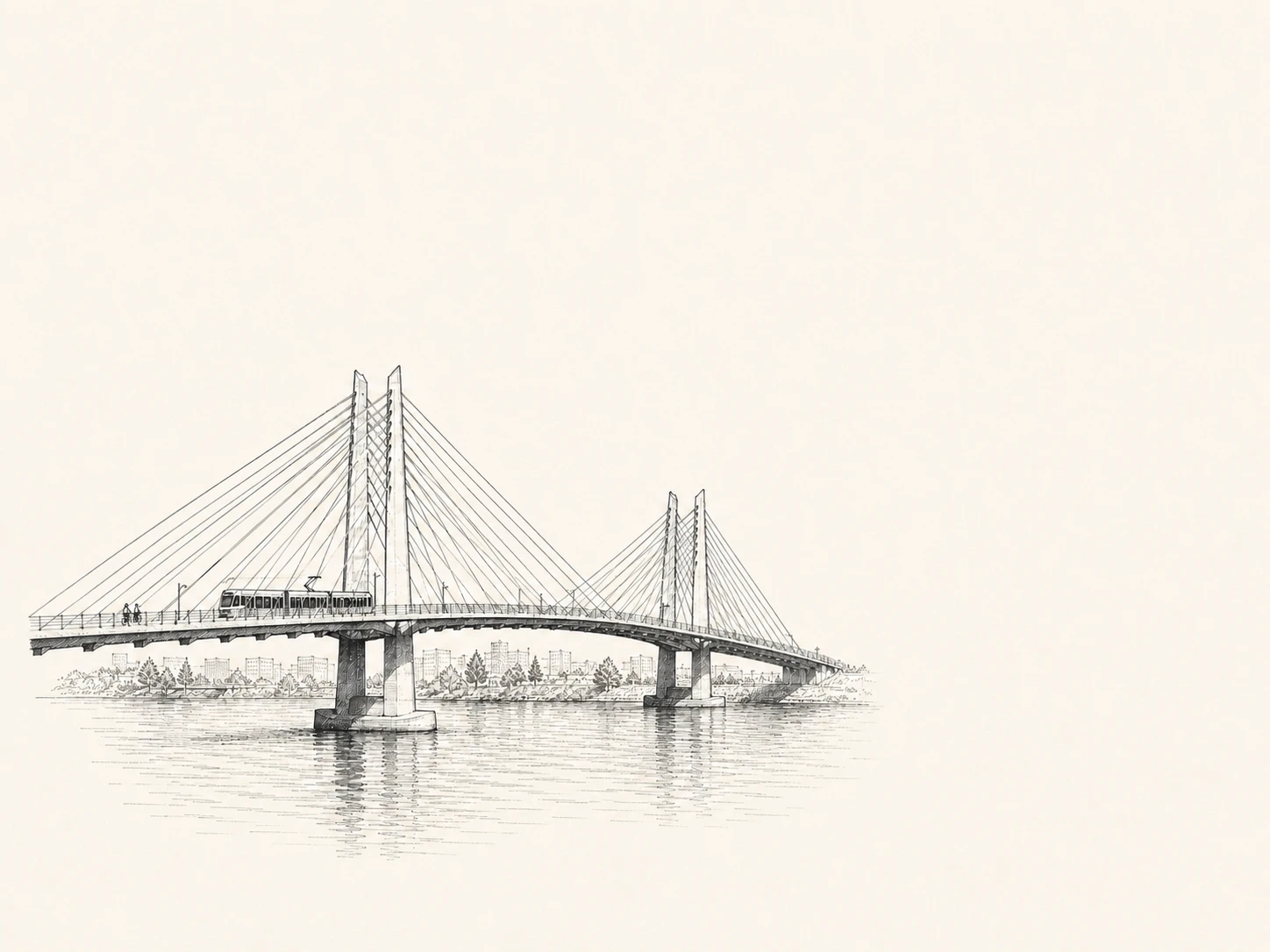
The bridge without private cars

Its tower lights take their color and motion from the Willamette itself.

Tilikum Crossing opened on September 12, 2015. TriMet put light rail, buses, and streetcars on the deck, with walking and biking space on both sides and no lanes for private cars or trucks. The tower lighting also reads the Willamette River's temperature, speed, and level, translating those data into color and movement.

Source: trimet.org

03 · Mount Tabor

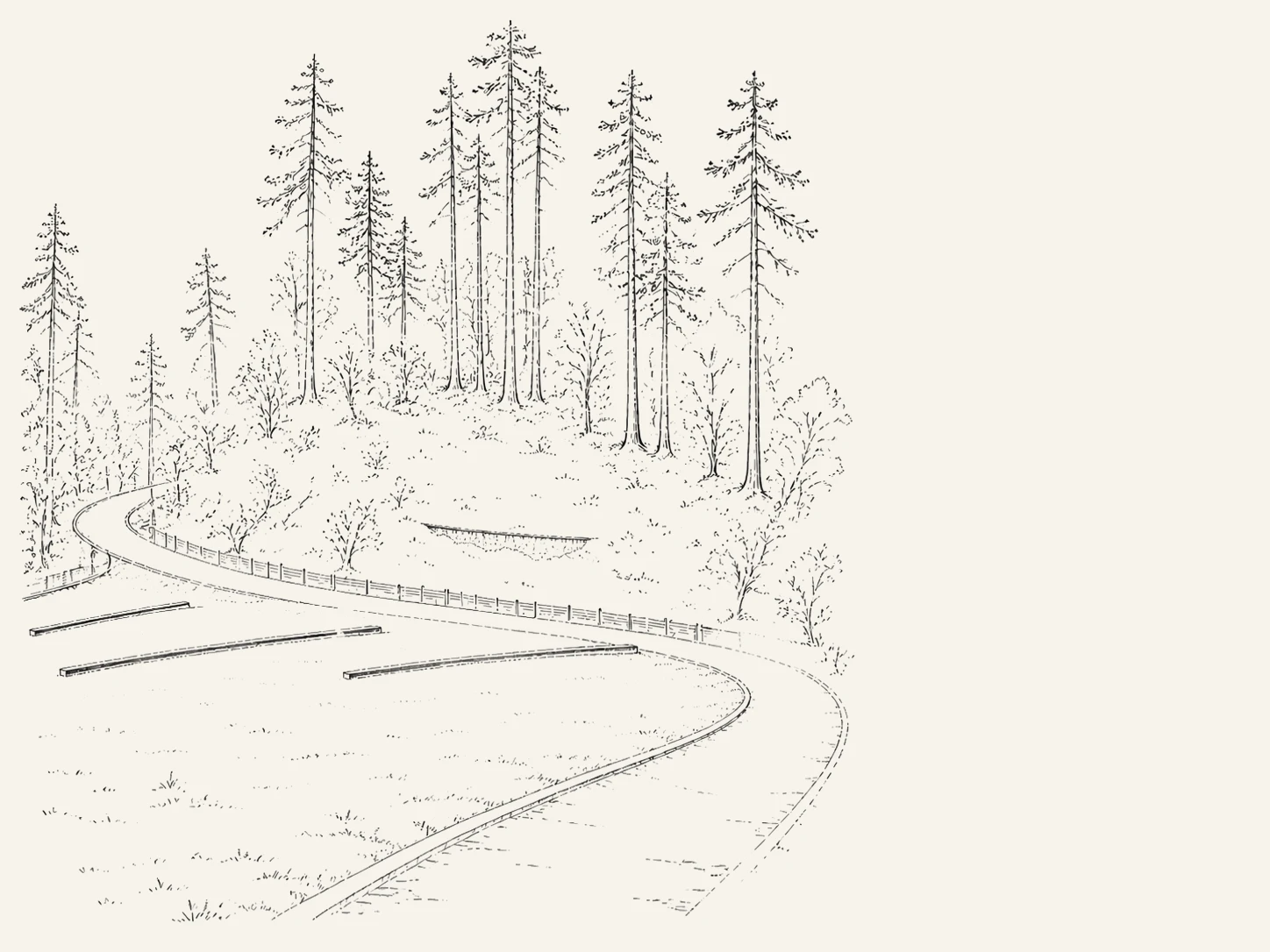
A park on volcanic cinders

The Boring Volcanic Field has more than eighty vents, all classed extinct by USGS.

Mt. Tabor belongs to the Boring Volcanic Field, an ancient field with more than eighty volcanic centers. USGS classifies them as extinct; a city beside them will not restart the activity. Park roads spiral around the cinder cone, and its elevation later made gravity-fed reservoirs practical. The slope is not a landscaped mound. The park occupies the frame of an extinct volcano.

Source: usgs.gov Source: portland.gov

04 · Powell's City of Books

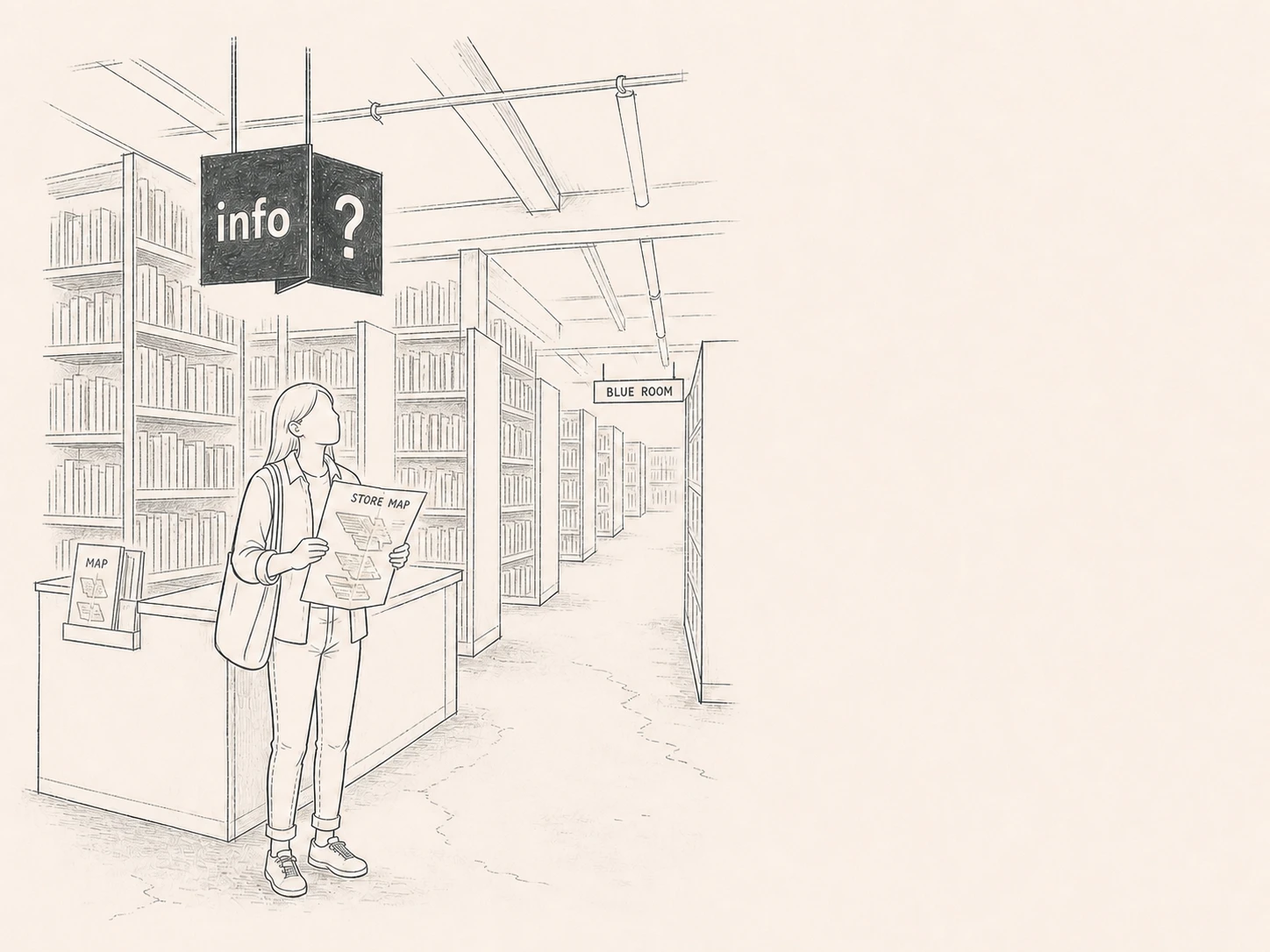
The bookstore hands you a map

Nine color-coded rooms fill a block. The map earns its keep.

Powell's City of Books grew from a used-book store founded in 1971 into a shop occupying an entire city block. About 68,000 square feet hold nine color-coded rooms, with new and used copies sharing many shelves. The business often describes itself as the world's largest independent new-and-used bookstore, a commercial claim about scale. Maps at the information desk help visitors find their color and floor before choosing a direction.

Source: travelportland.com Source: powells.com

Continue in the app

Carry all 78 Portland stories with you

Read without location access. Pass-by reminders are optional, and precise location is never uploaded.