City preview · ROME

Rome’s arena ran on underground machinery

Ropes and pulleys raised animals and scenery into the Colosseum. Cast-iron drinking fountains supply water at street corners. At Testaccio, shoppers buy lunch above Roman storage rooms. The doorway at Via Margutta 51 was filmed as the entrance to the reporter’s home in Roman Holiday.

4 web previews 137 stories in the app

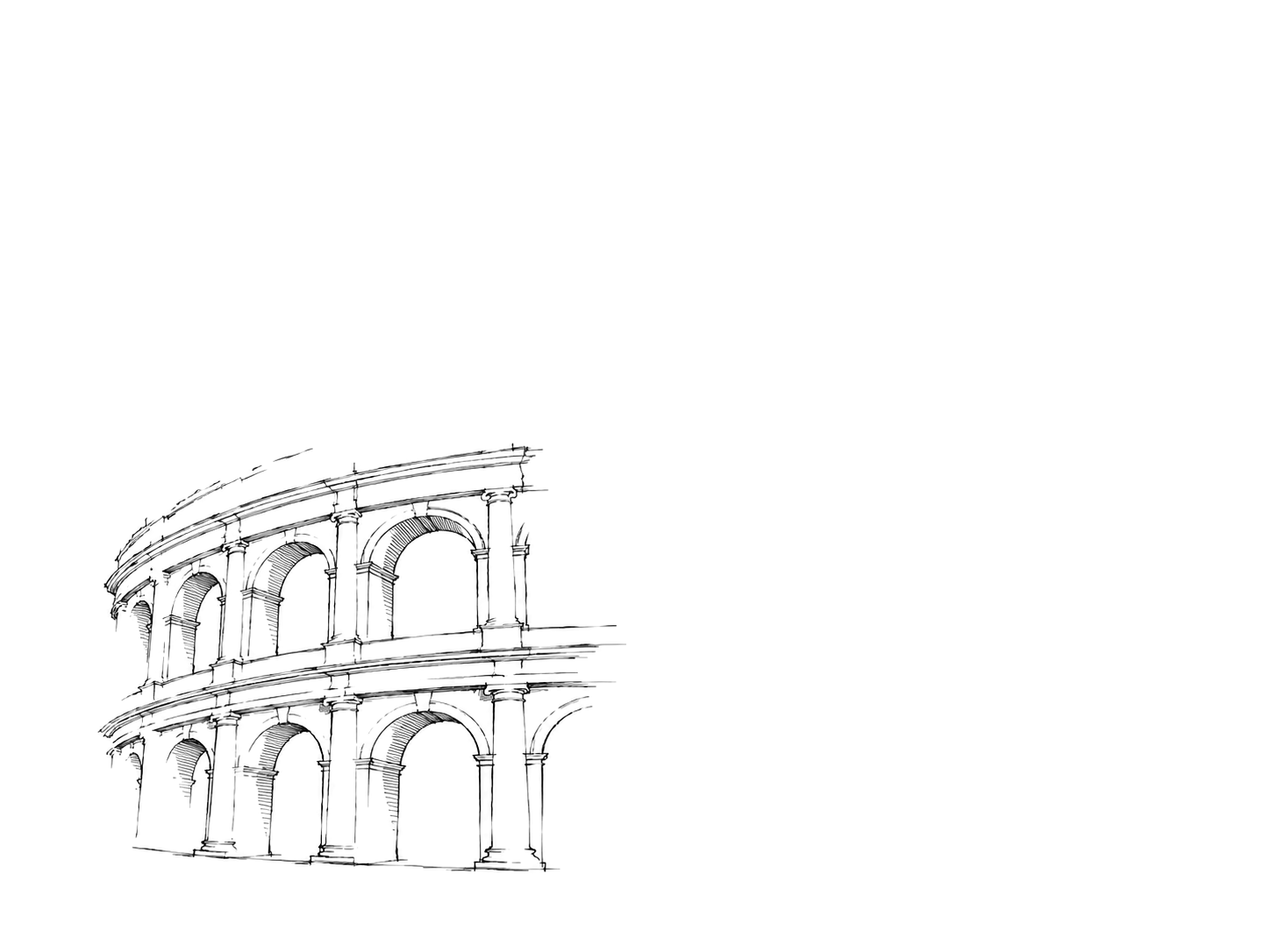
Colosseum · Editorial illustration, not a historical photo

Beneath the arena, beside a fountain and inside a market

Lift shafts, drinking spouts, storerooms below the stalls and a film address

Four complete stories and their public sources are shown here; the rest of the collection is in the app.

01 · Colosseum

The machinery beneath the arena

Animals and scenery reached the arena from below.

Beneath the Colosseum's sand-covered floor were two levels of passages and spaces for holding animals. Workers used ropes, pulleys and lifting devices to raise cages and scenery; openings in the floor let them emerge into the arena. Much of that floor is now gone, exposing the backstage system. Gladiatorial and animal-hunt shows depended not only on those seen in the arena but also on labor and machinery operating underneath.

Source: en.wikipedia.org Source: turismoroma.it
02 · Nasone — Piazza del Grillo

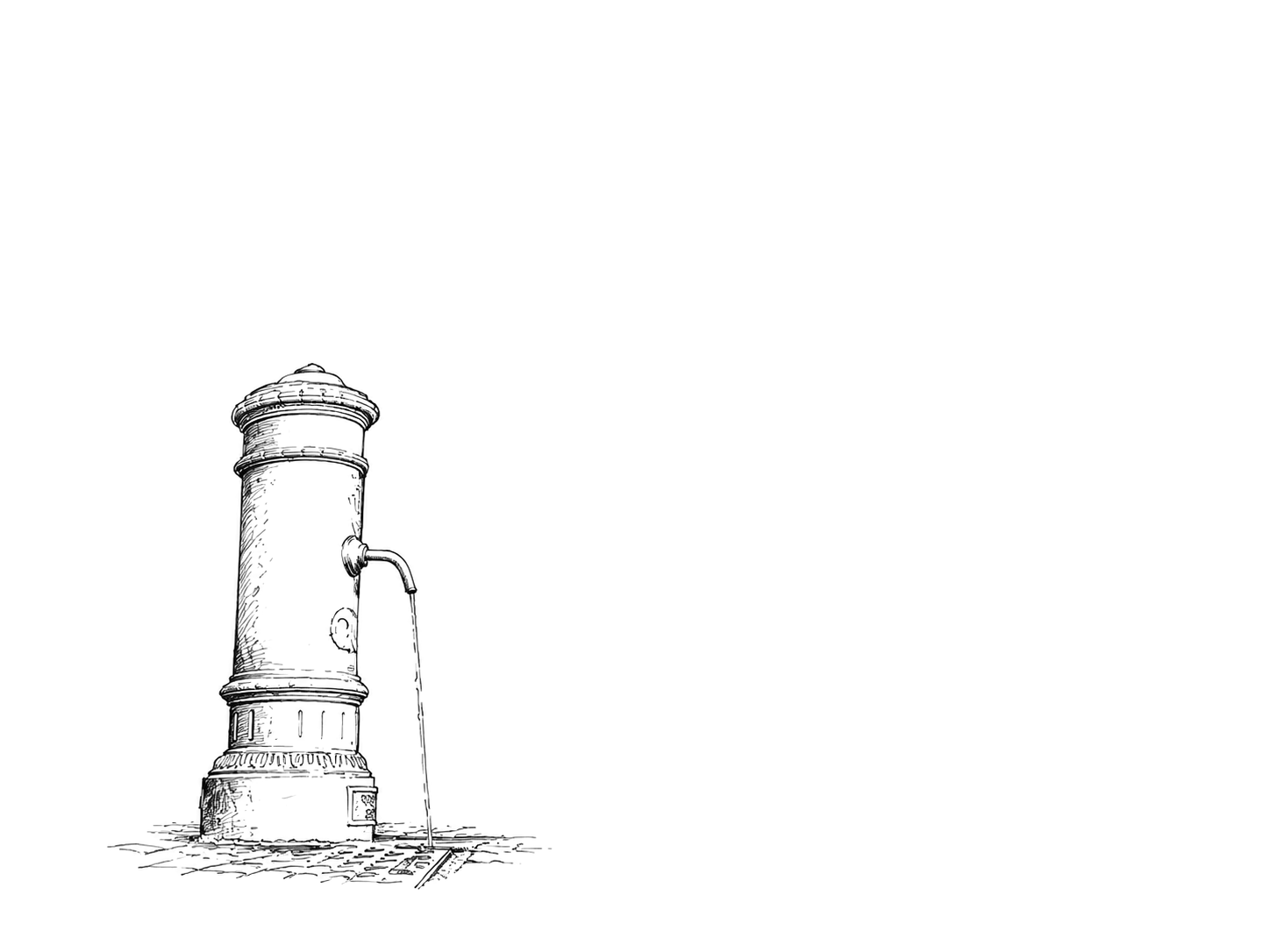
The street's big nose

A curved spout gives Rome's drinking fountain its nickname.

Romans call these cast-iron drinking fountains nasoni, or 'big noses', after their curved spouts. They began appearing on the streets in the late nineteenth century, offering free drinking water. Many versions have a small hole above the main outlet: block the lower opening and water rises from the small one for drinking directly. The fountain in Piazza del Grillo has none of a monumental fountain's sculpture or pool, but still brings water to people on the street.

Source: turismoroma.it

03 · Testaccio Market

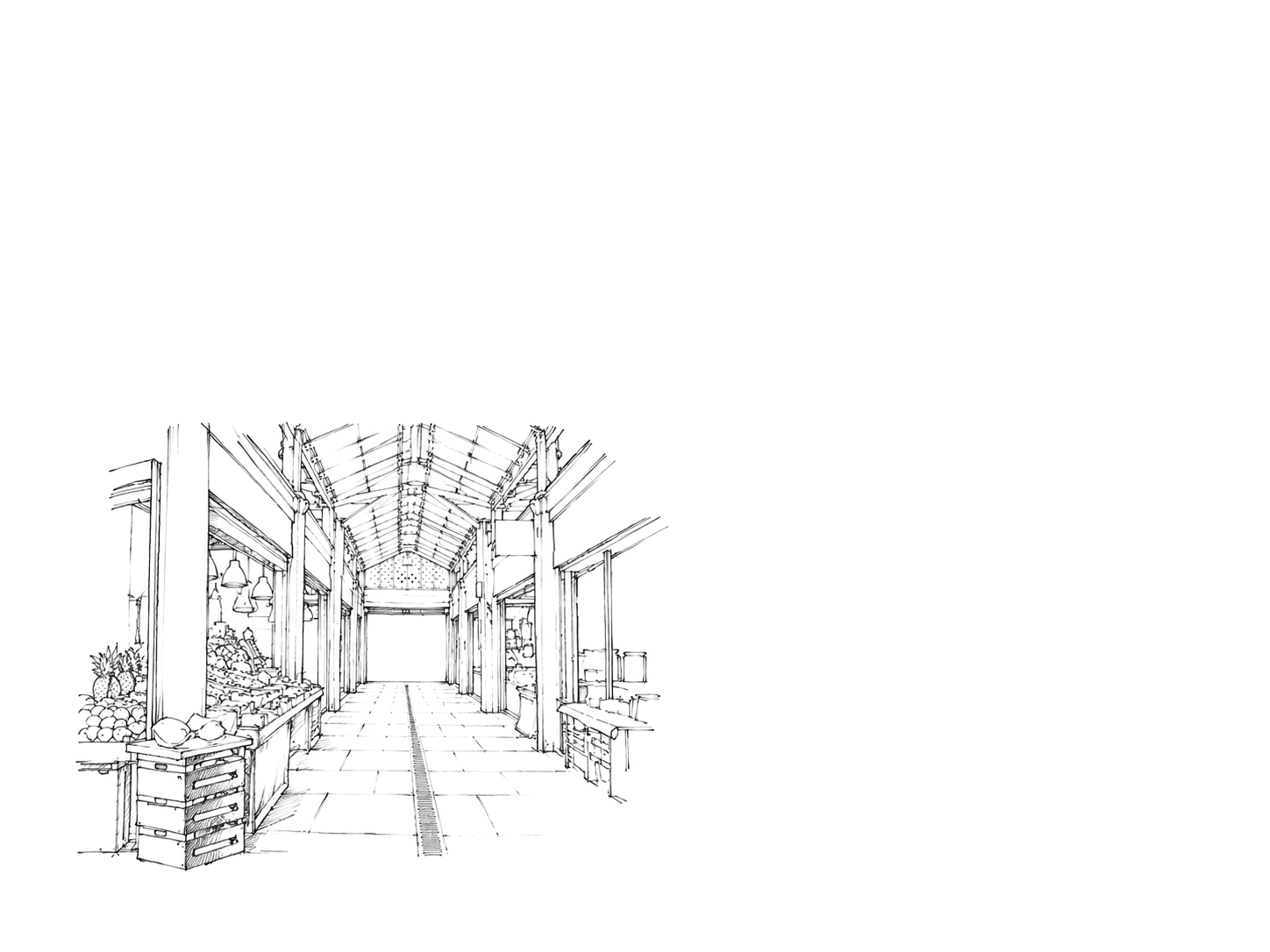
Warehouses beneath the food market

Two eras of food supply occupy the same ground.

Testaccio's new market puts vegetable stalls, butchers, and prepared-food counters in a bright, roofed space. Construction uncovered Roman roads, storage facilities, and large quantities of amphora remains below. The archaeological area was retained, with its own visiting arrangements. Upstairs, shoppers choose vegetables and meat or stop for lunch; underneath are traces of the period when goods reached Rome through its river port. Both belong to the business of feeding the city.

Source: turismoroma.it Source: mercatoditestaccio.it

04 · Via Margutta, 51

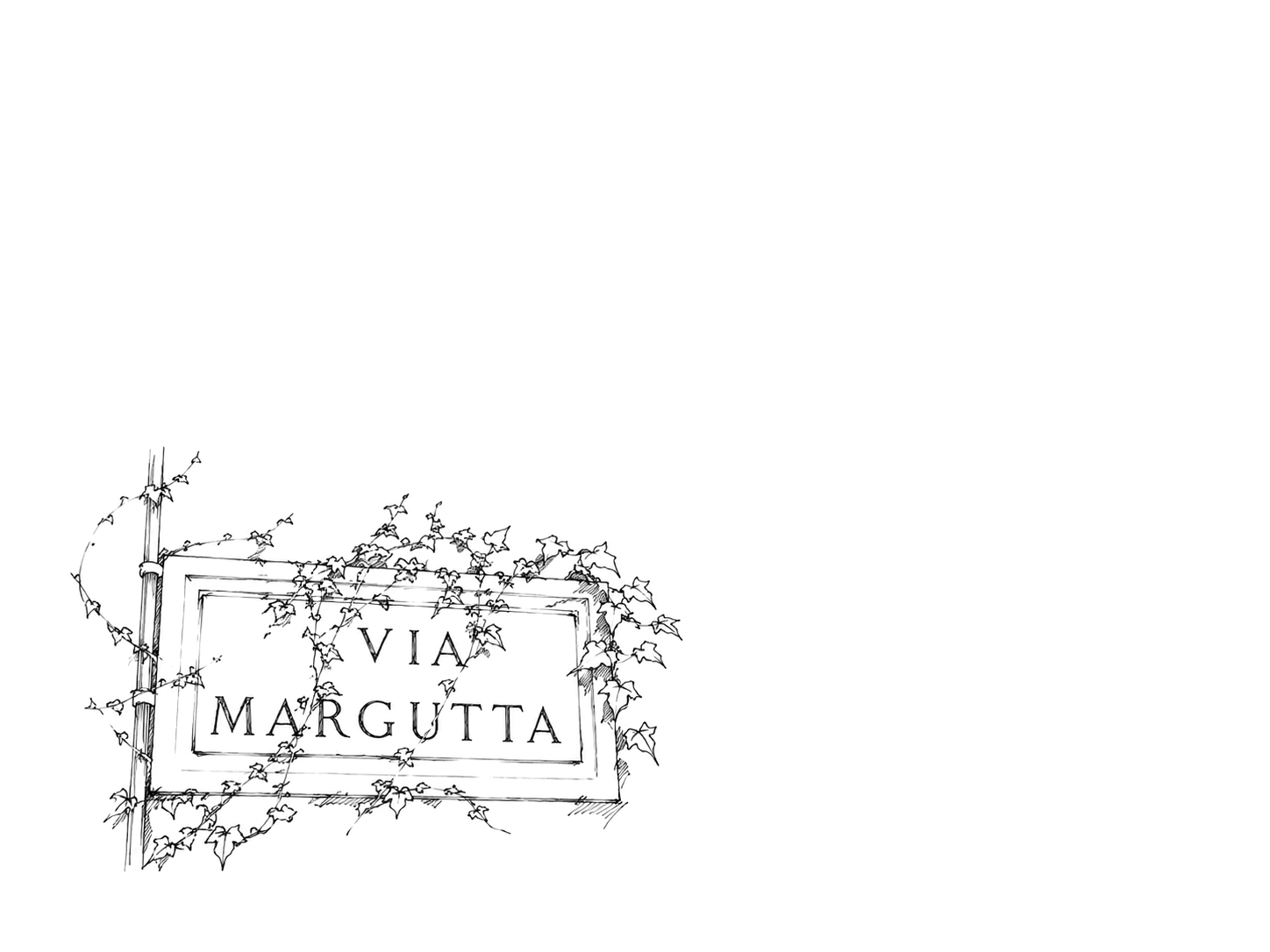
The reporter's movie address

A real doorway opens into a fictional love story.

In Roman Holiday, reporter Joe takes Princess Ann back to his place; the entrance was filmed at Via Margutta 51. This small street near the Spanish Steps was already associated with painters, sculptors and studios. The movie added an address for film fans to seek out. The room on screen belongs to a character, but the street number is real. Along the narrow road, residential doors alternate with gallery fronts.

Source: en.wikipedia.org Source: turismoroma.it
Continue in the app

Carry all 137 Rome stories with you

Read without location access. Pass-by reminders are optional, and precise location is never uploaded.