City preview · SYDNEY

Sydney’s Opera House roofs share one sphere

The Opera House’s unequal roof shells all follow the surface of one sphere. Beside Hyde Park, an obelisk once vented a sewer. Wylie’s Baths began with a lease below the high-water mark, while empty cages in a city lane play recordings of birds thought to have lived there.

4 web previews 93 stories in the app

Sydney Opera House Forecourt · Editorial illustration, not a historical photo

From roof geometry to a pool on the rocks

One sphere, a tidal lease, a sewer obelisk and empty birdcages

Four complete stories and their public sources are shown here; the rest of the collection is in the app.

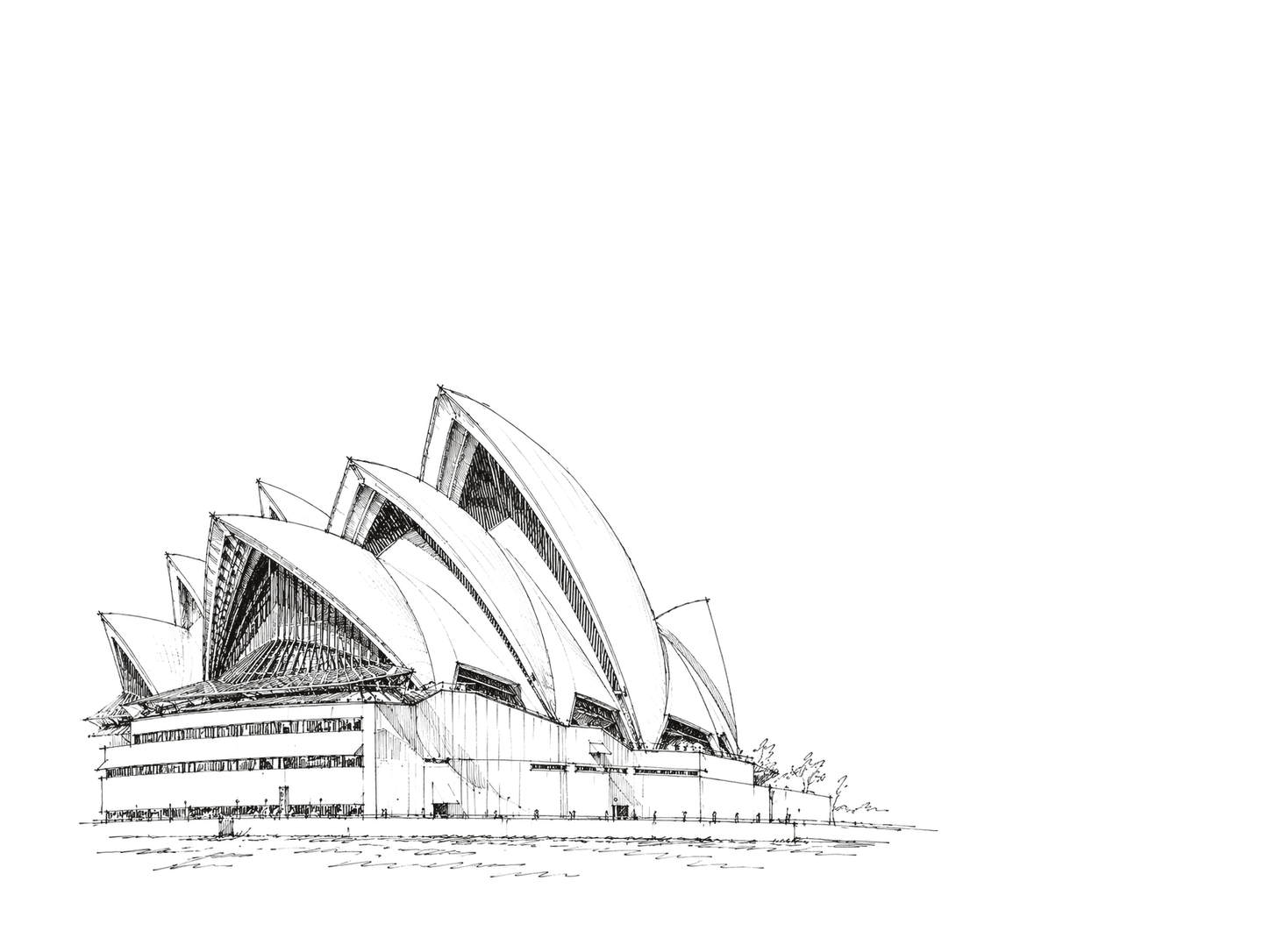
01 · Sydney Opera House Forecourt

One sphere, many roofs

Every shell came from the same sphere.

Early designs gave each roof its own curve, requiring new molds again and again. Utzon later stacked model shells and saw a way to cut every shell from a single sphere. Roofs of different sizes could then share repeatable ribs and formwork. The breakthrough is often credited to peeling an orange. The Opera House's account is more precise: Utzon described stacking models.

Source: sydneyoperahouse.com
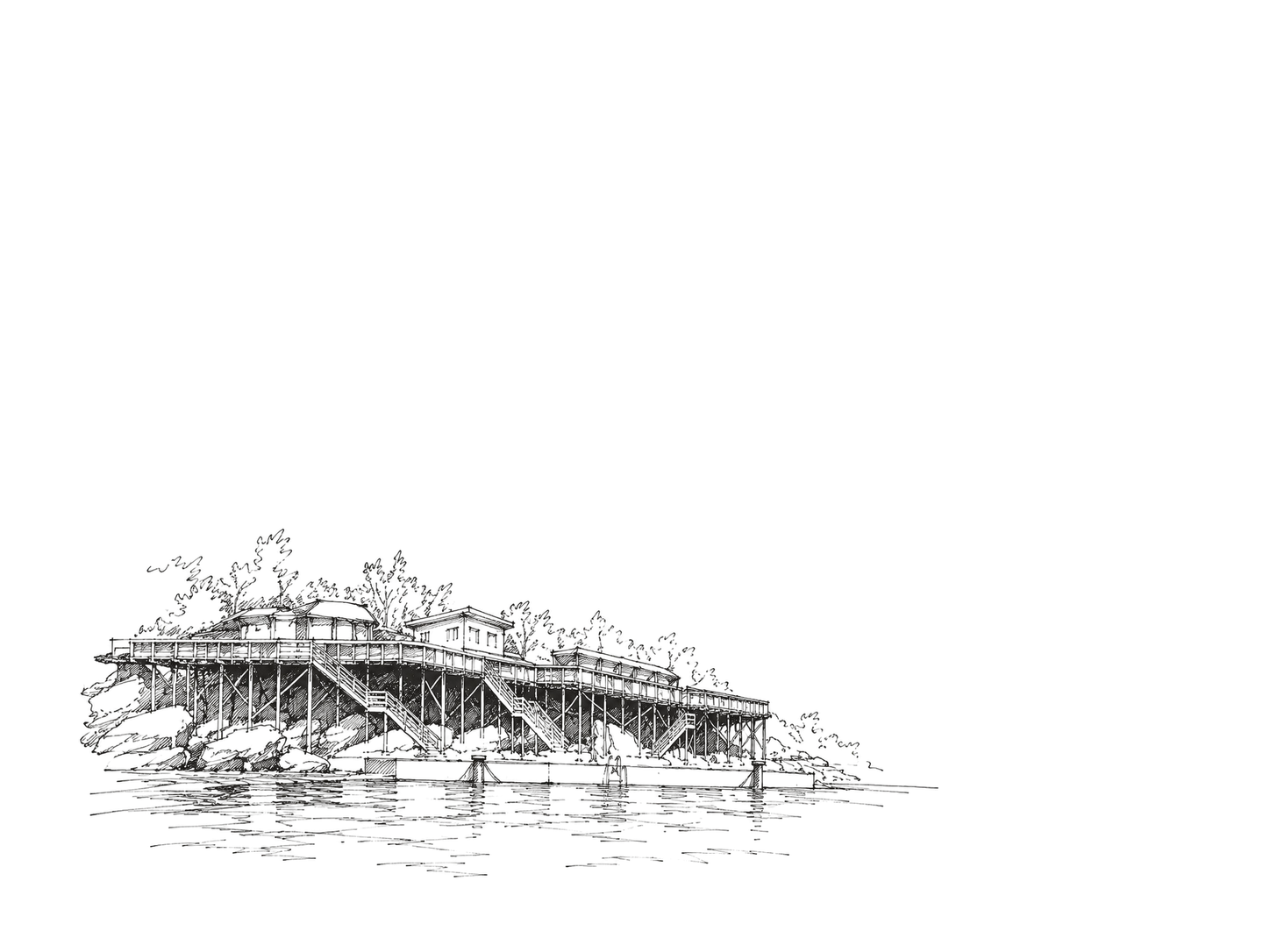
02 · Wylie’s Baths

A lease below the tide

The original lease began below high tide.

Henry Wylie opened his baths in 1907 after securing an unusual lease: the land lay below high-water mark, where the tide repeatedly returned. The pool had to live against the coast, with a wooden deck above for changing and resting. It later became one of the earlier baths to admit men and women together. The Wylie family's waterside business offered a break from strictly separated swimming.

Source: wylies.com.au

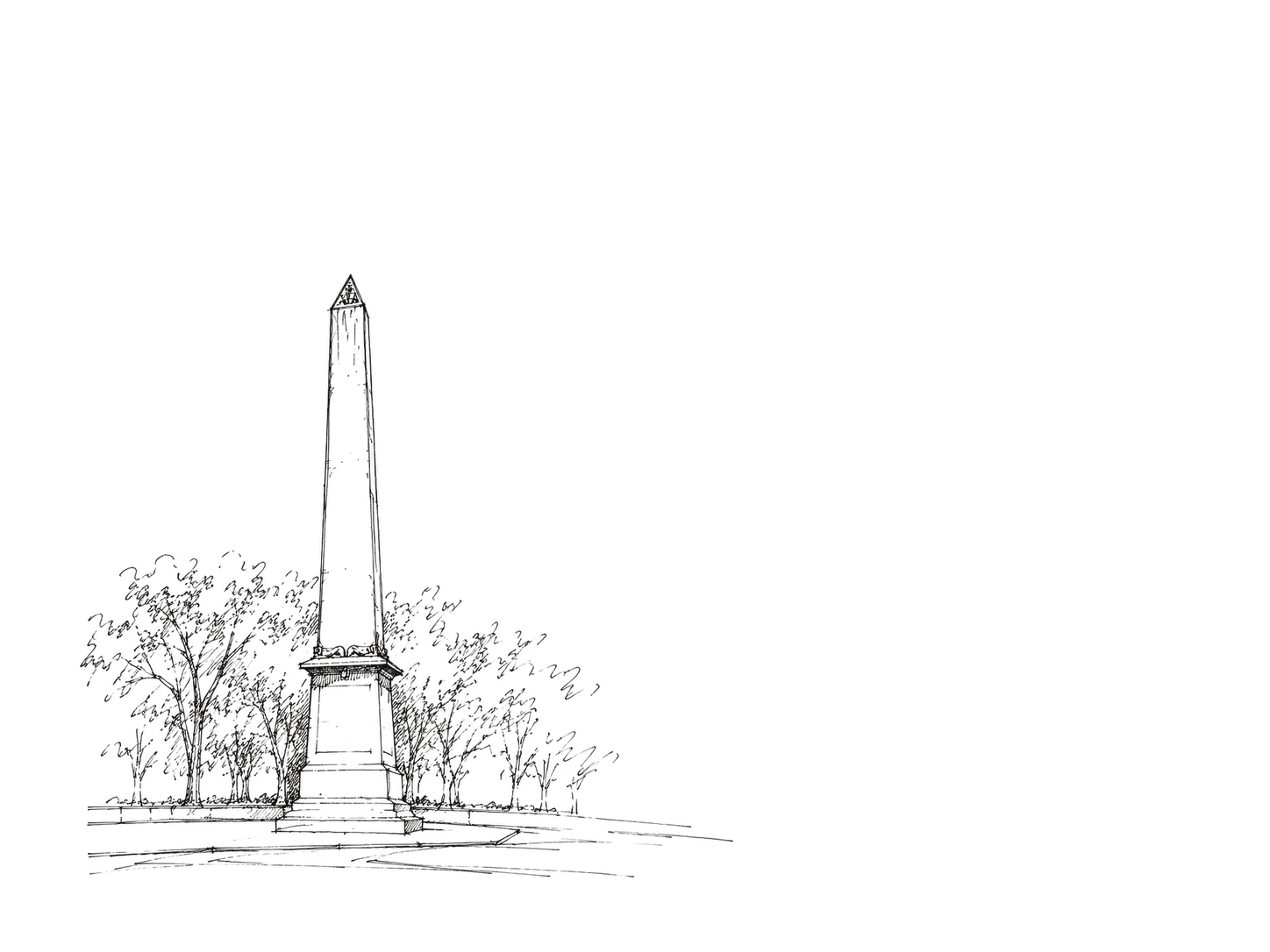
03 · Hyde Park Obelisk

An obelisk that vents the sewer

An Egyptian outline, a sewer vent inside.

Mayor George Thornton unveiled this obelisk in 1857. Its shape borrowed from Egyptian monuments, but its job was to ventilate the sewer. Sydneysiders soon nicknamed it Thornton's Scent Bottle. The base, slender shaft, and summit give a solemn outline to something the city was less inclined to discuss on the street: its sewer smells.

Source: cityofsydney.nsw.gov.au

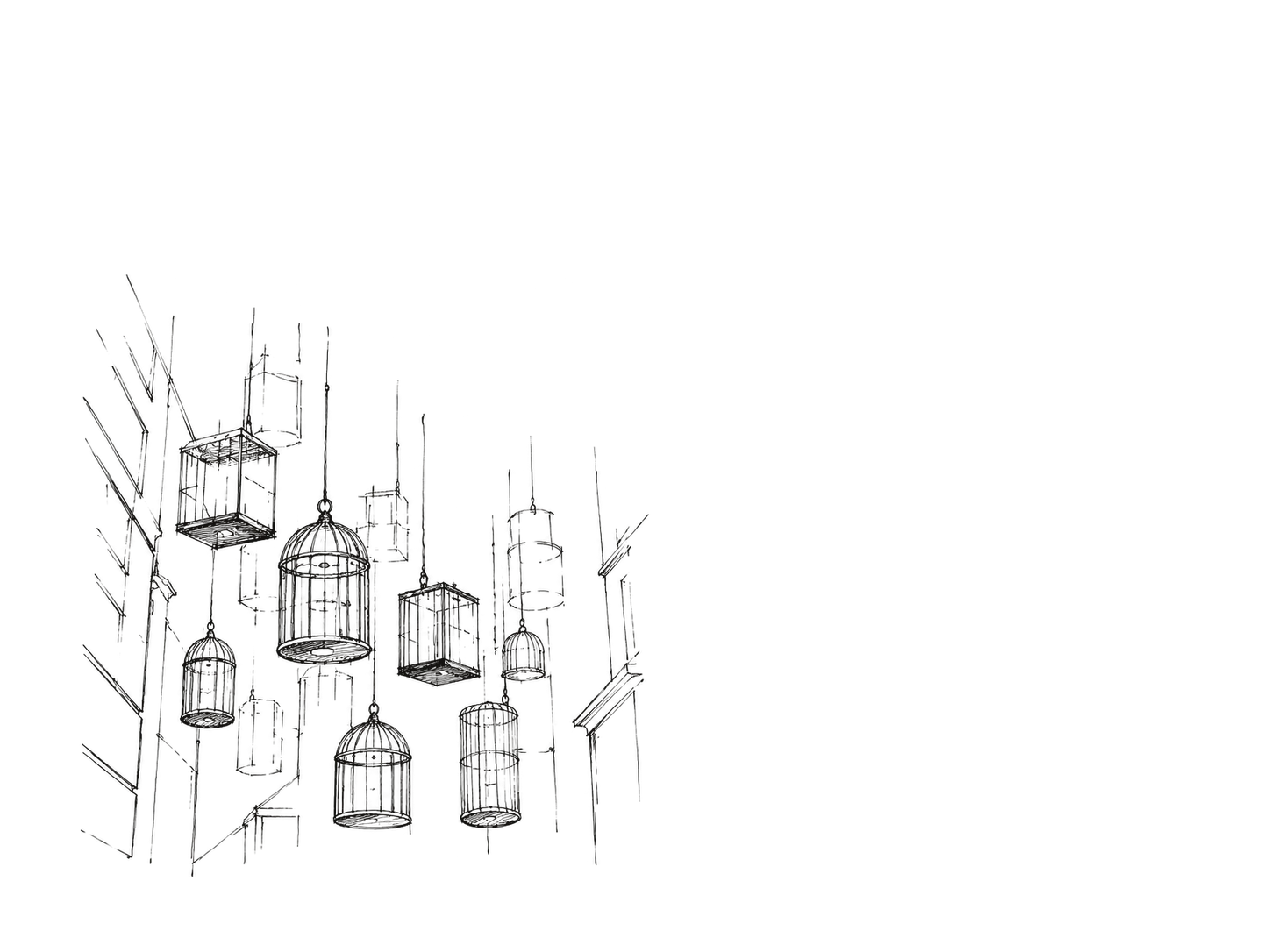
04 · Forgotten Songs

Fifty birdsongs in empty cages

Empty cages play the calls of fifty species thought to have lived here.

The cages hold no birds, and their songs weren't picked at random. The artist and bird specialists studied soil, vegetation, and bird specimens at the Australian Museum to work out which species were likely to have lived downtown. They then chose recordings of fifty species, with different calls playing by day and at night. The cages stay empty; the sounds reconstruct a bird list from habitat and historical evidence.

Source: cityofsydney.nsw.gov.au

Continue in the app

Carry all 93 Sydney stories with you

Read without location access. Pass-by reminders are optional, and precise location is never uploaded.