City preview · TOKYO

Two main cables hold up Yoyogi’s arena roof

At Yoyogi, two main cables pass over 40-meter pylons. Wire ropes and steel frames suspend the roof below, so the arena needs no rows of supporting columns. When the Odakyu Line went underground at Shimokitazawa, it left a narrow 1.7-kilometer strip at street level; shops, greenery, and neighborhood paths now follow the old alignment. Around Kameari, statues of Ryotsu and other KochiKame characters stand at fifteen locations near the station, shrines, and shops. The ginkgo burned in the 1945 air raid is still alive at Sensō-ji, with charring visible inside its trunk.

4 web previews 117 stories in the app

Yoyogi National Stadium 1st Gymnasium · Editorial illustration, not a historical photo

From a suspended roof to an air-raid scar

Two main cables, railway land, fifteen statue stops, and a ginkgo’s air-raid scar

Four complete stories and their public sources are shown here; the rest of the collection is in the app.

01 · Yoyogi National Stadium 1st Gymnasium

Two main cables hold up the whole roof

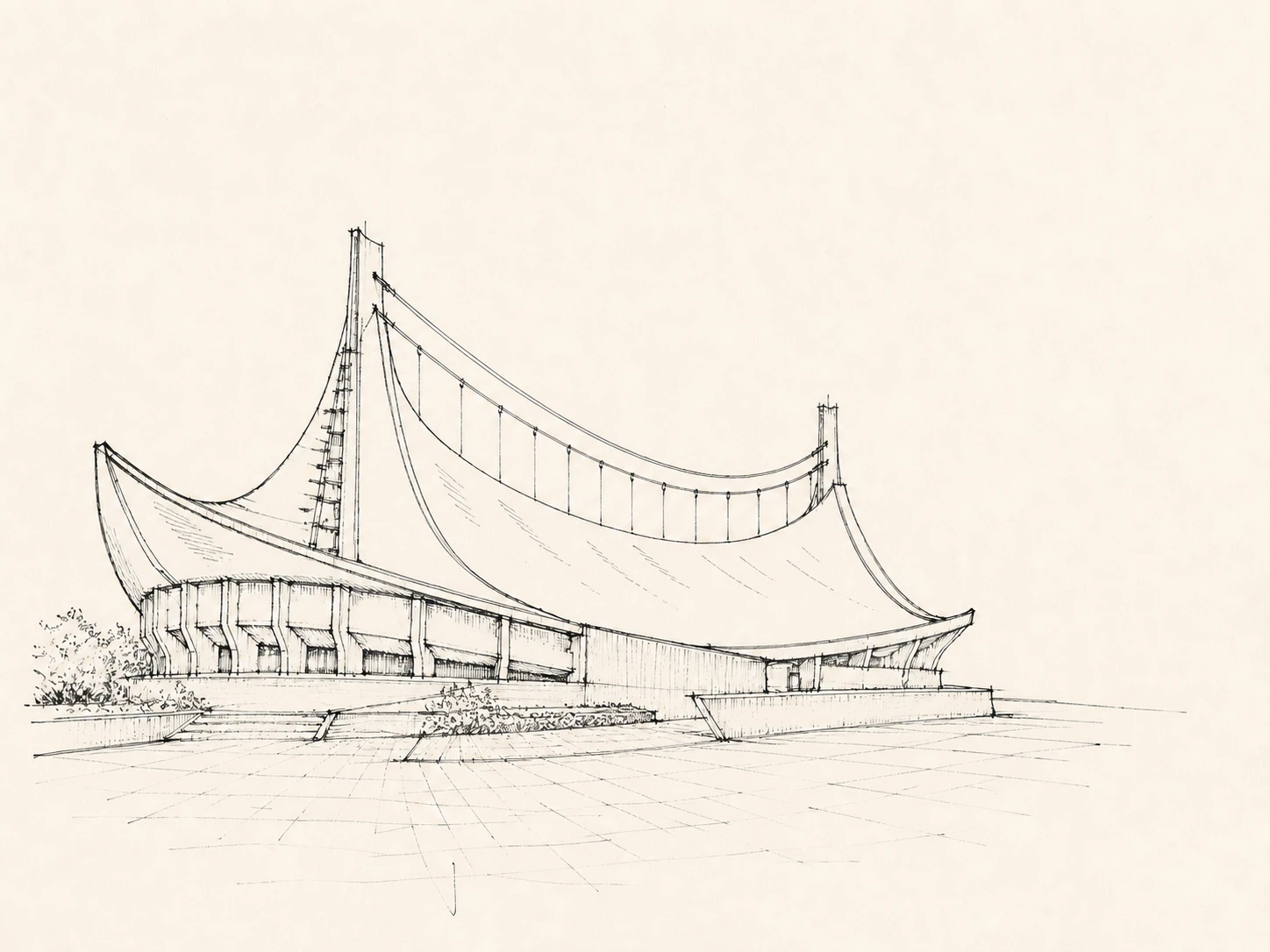
Two main cables pass over 40-meter pylons and carry the roof above an arena for more than 10,000 spectators.

Do not start by looking for rows of roof columns. At the First Gymnasium, two main cables pass over 40-meter pylons; wire ropes and preformed steel frames hang the roof below, leaving the competition floor free of supporting columns. The builders had just 18 months. They finished on August 31, 1964, 39 days before the Olympic opening ceremony. Walk the public paths and the sag of the cables and lift of the roof edge still show where the weight goes.

Source: jpnsport.go.jp Source: jpnsport.go.jp Source: jpnsport.go.jp
02 · Shimokita Senrogai Open Space

A street growing from an old railway

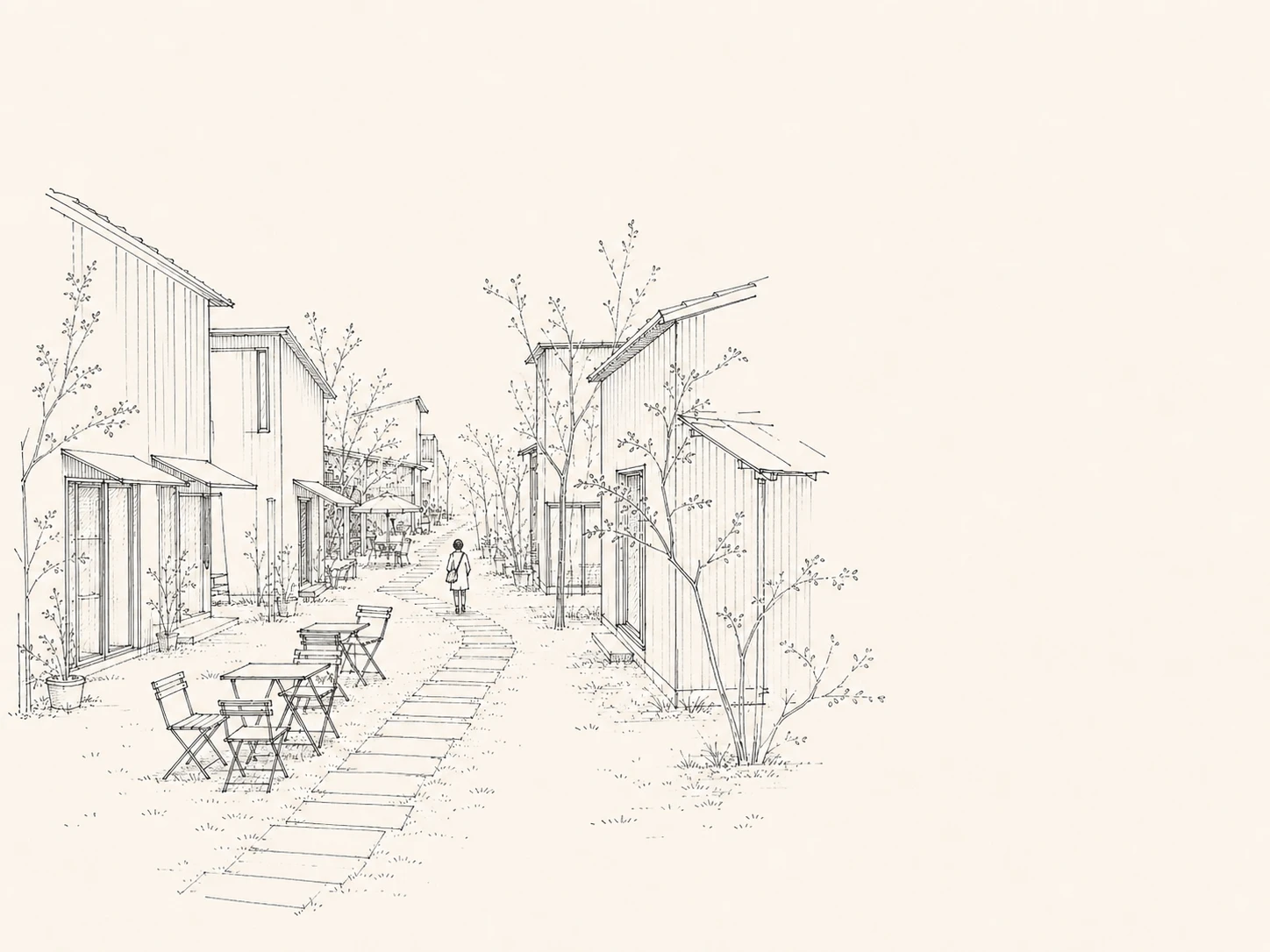
After the Odakyu Line went underground, about 1.7 kilometers of railway land became shops, greenery and paths.

In 2013, the Odakyu Line went underground around Shimokitazawa, leaving a long, continuous strip of railway land at the surface. Later development divided it among shops, a hotel, event spaces and neighborhood paths rather than sealing everything inside one mall. Each section does a different job, but together they form a narrow district about 1.7 kilometers long along the former tracks.

Source: odakyu.jp Source: senrogai.com Source: odakyu.jp

03 · Statue of Kankichi Ryotsu

Fifteen manga statues across Kameari

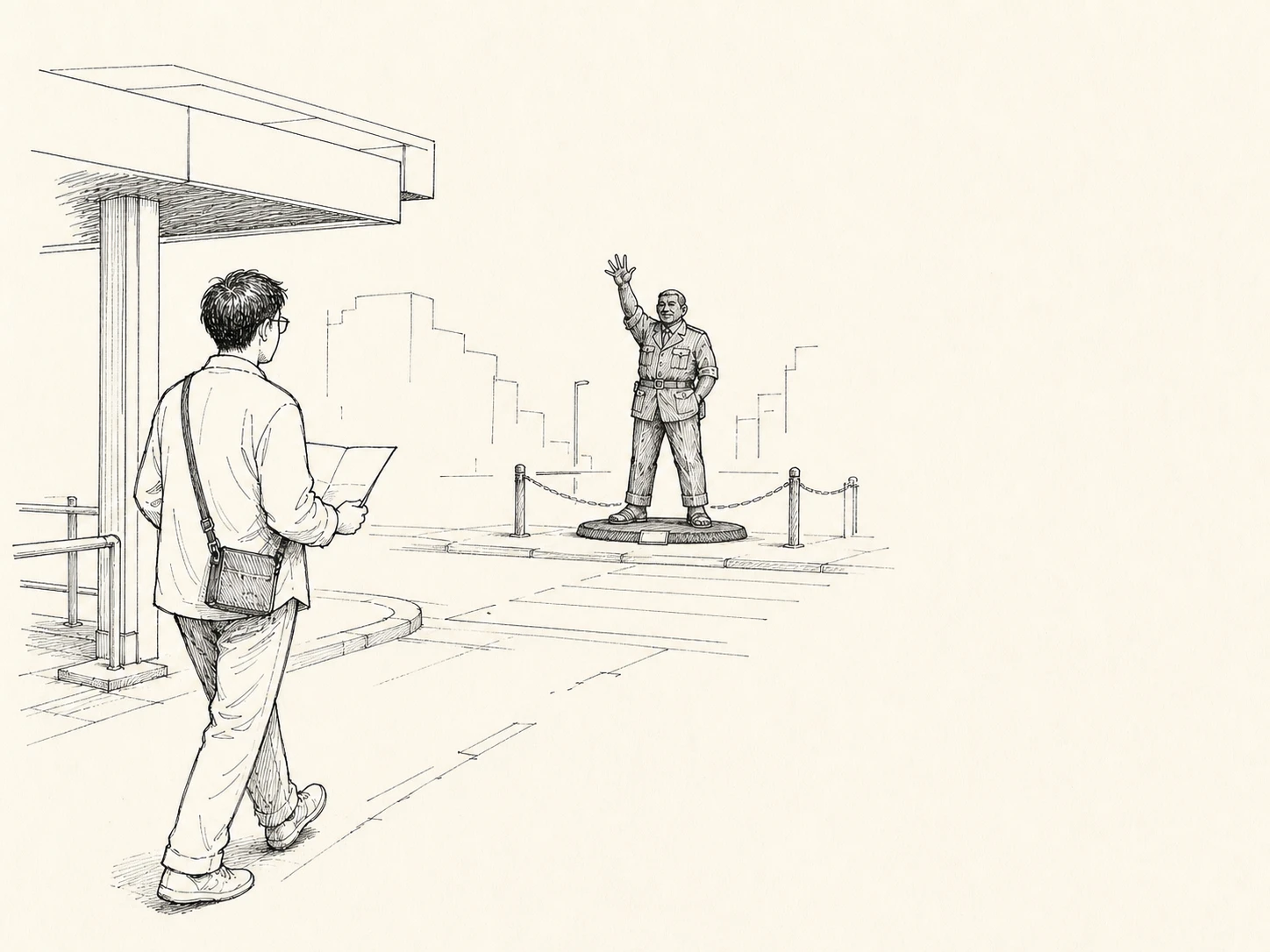
Ryotsu and his friends are scattered among fifteen statues. Finding them takes you around the station and shopping streets.

KochiKame made Kameari the neighborhood where Kankichi Ryotsu works. Fifteen character statues later appeared around the area: Ryotsu rides a bicycle in one, salutes in another, while Reiko, Nakagawa, Honda and other characters join the route. You search between the station, shrines and shops. No one rebuilt the fictional police box, but the manga map arrived in the real streets one frame at a time.

Source: gotokyo.org

04 · Sensō-ji

A burn scar inside a living tree

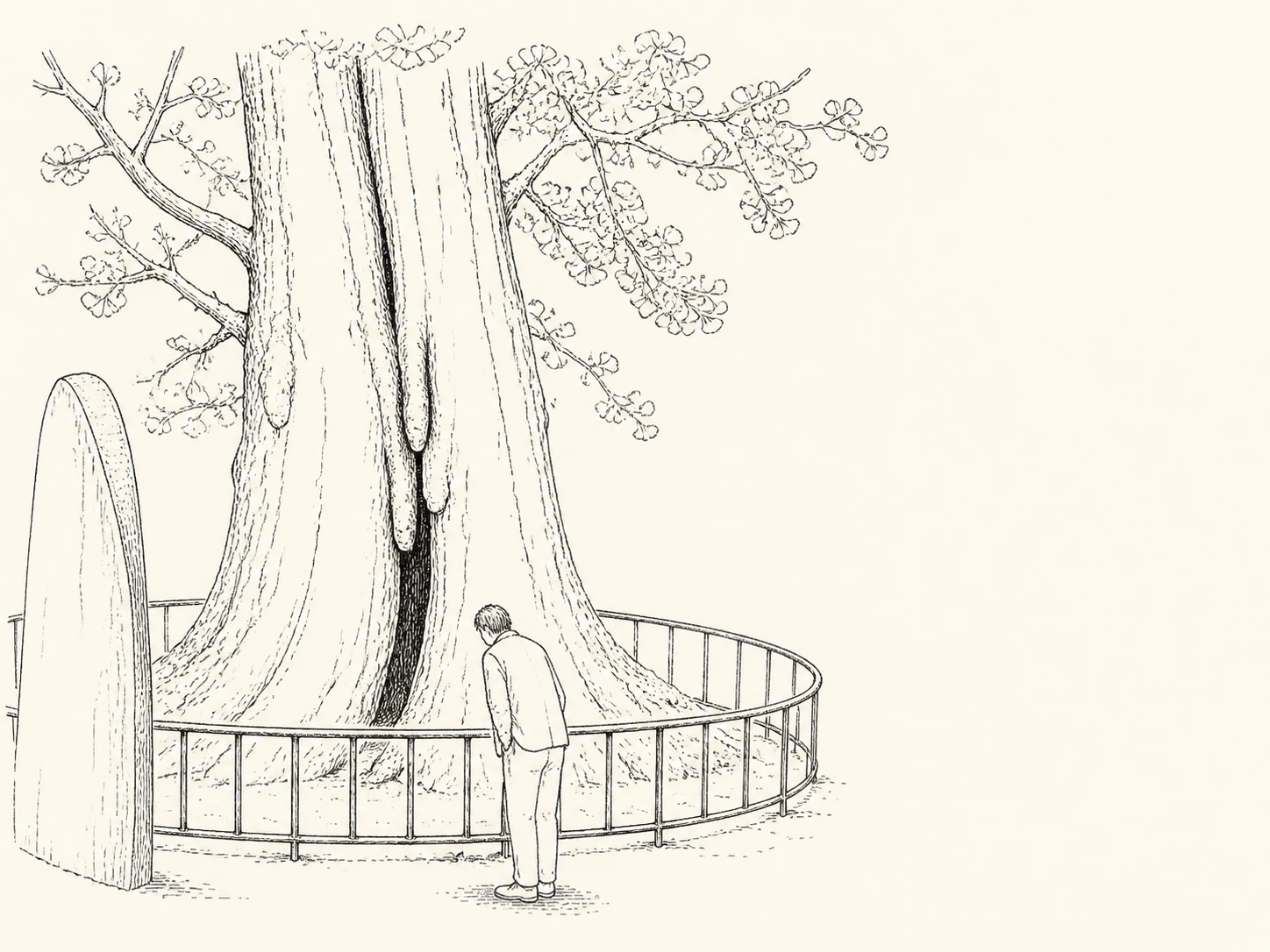
This ginkgo southeast of Sensō-ji's main hall survived the 1945 air raid. Charring remains inside its trunk.

The Tokyo air raid of March 10, 1945 destroyed several Sensō-ji buildings and burned the ginkgo southeast of the main hall. The tree did not die. Sensō-ji calls it the war-damaged ginkgo, while Taitō's peace-sites map gives visitors one detail to find: charring remains inside the trunk. Standing below it today, the living crown and the burn scar are visible on the same tree.

Source: senso-ji.jp Source: city.taito.lg.jp

Continue in the app

Carry all 117 Tokyo stories with you

Read without location access. Pass-by reminders are optional, and precise location is never uploaded.