City preview · BANFF

Tea at Lake Agnes keeps mountain hours

The Lake Agnes tea house has no electricity. Food is made by hand, and service ends with the season. Elsewhere in Banff, Norman Sanson climbed a mountain to read the weather, and crews clear and flood Lake Louise’s skating surface. A boundary beside the hot springs protects a snail with very few places to live.

4 web previews 31 stories in the app

Lake Agnes Tea House · Editorial illustration, not a historical photo

Banff and Lake Louise

Mountain tea, a thousand climbs, hot-spring snails and a castle of ice

Four complete stories and their public sources are shown here; the rest of the collection is in the app.

01 · Lake Agnes Tea House

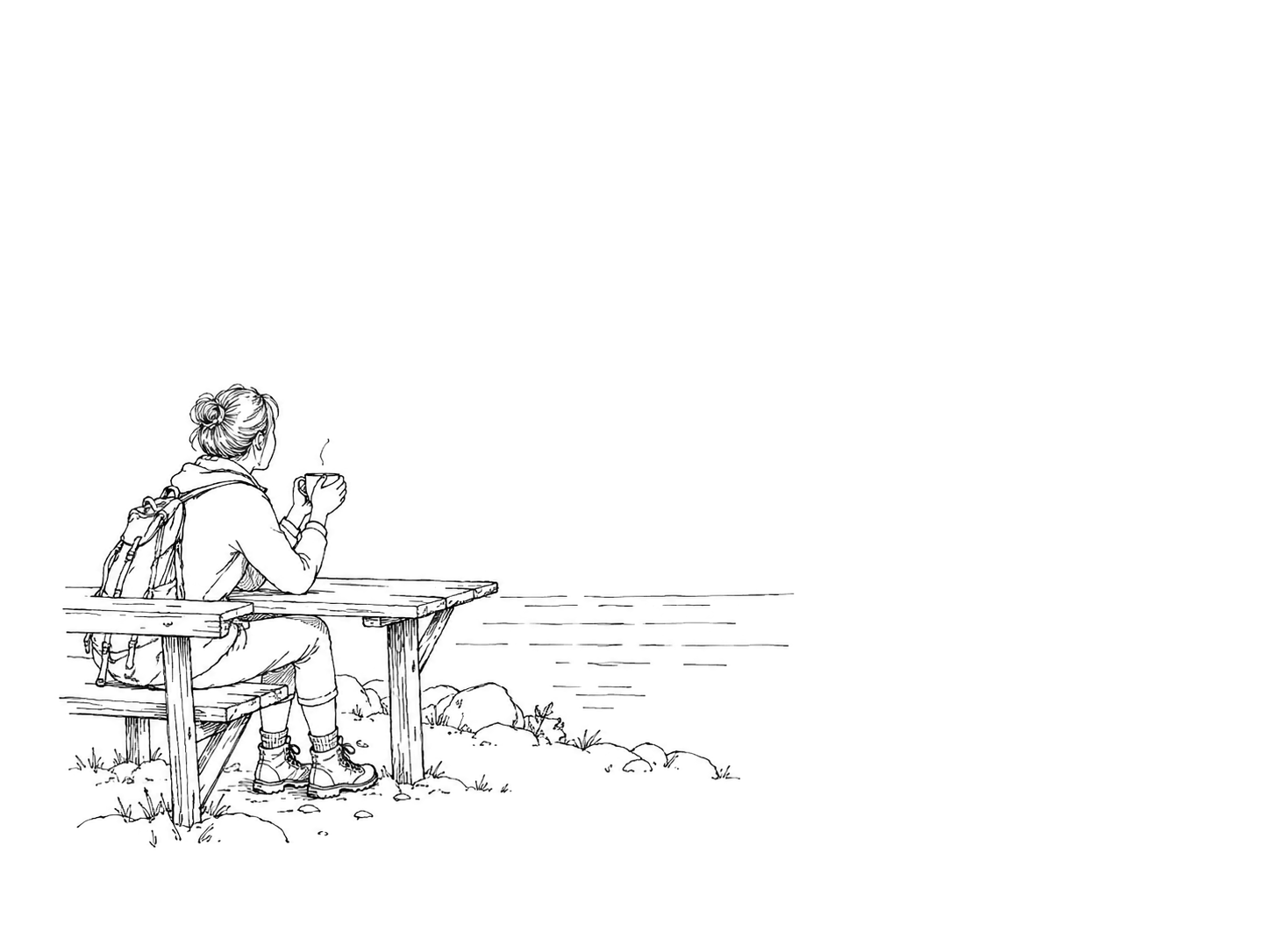
Tea made up the mountain

A teahouse without electricity still has tea and handmade food to serve each day.

Reaching the Lake Agnes Tea House means climbing about four hundred meters from Lake Louise. The teahouse has no electricity, and its operators describe food made by hand each day. A cup of tea and a snack beside the lake come with conditions a lowland café need not face. The custom of walking uphill for tea has lasted here. When the season ends, the lakeside door closes and service stops with the mountain calendar.

Source: lakeagnesteahouse.com Source: en.wikipedia.org
02 · Sanson Peak · weather station boardwalk

Breakfast on the thousandth climb

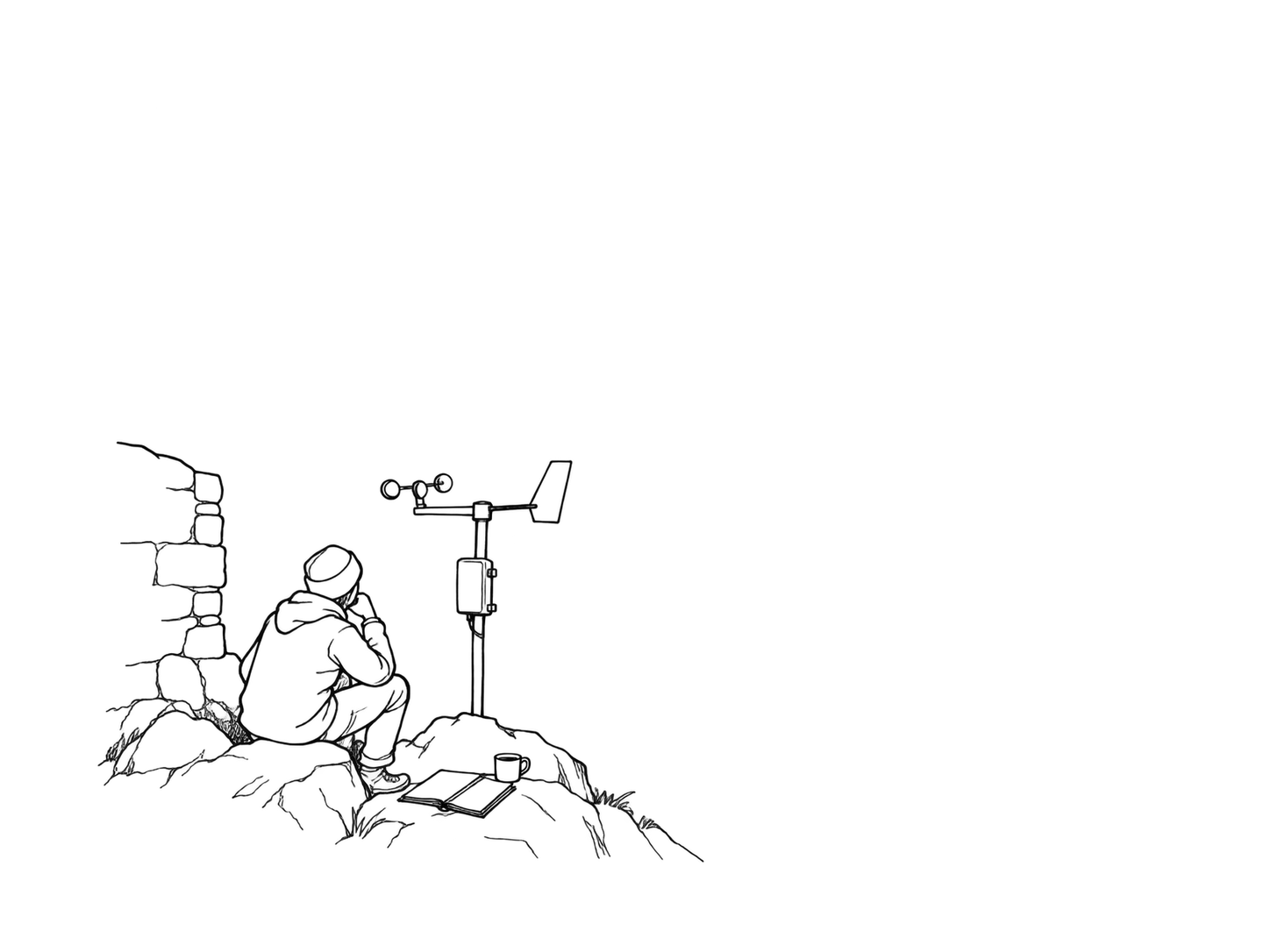
In 1931, friends joined Sanson at the summit for his thousandth observation trip.

At sunrise, Norman Sanson ate breakfast on the summit with friends. It was 1931, and his thousandth ascent. On the repeated trips before it, he had read the weather instruments and walked back down. Weather here varies with height and mountain position; snowfall at distant Lake Louise differs from that in Banff town. The little building gave observations a fixed location. The repeated journeys turned many separate days into a record.

Source: banff.ca Source: parks.canada.ca Source: parks.canada.ca

03 · Cave and Basin National Historic Site

A species with only a few pools

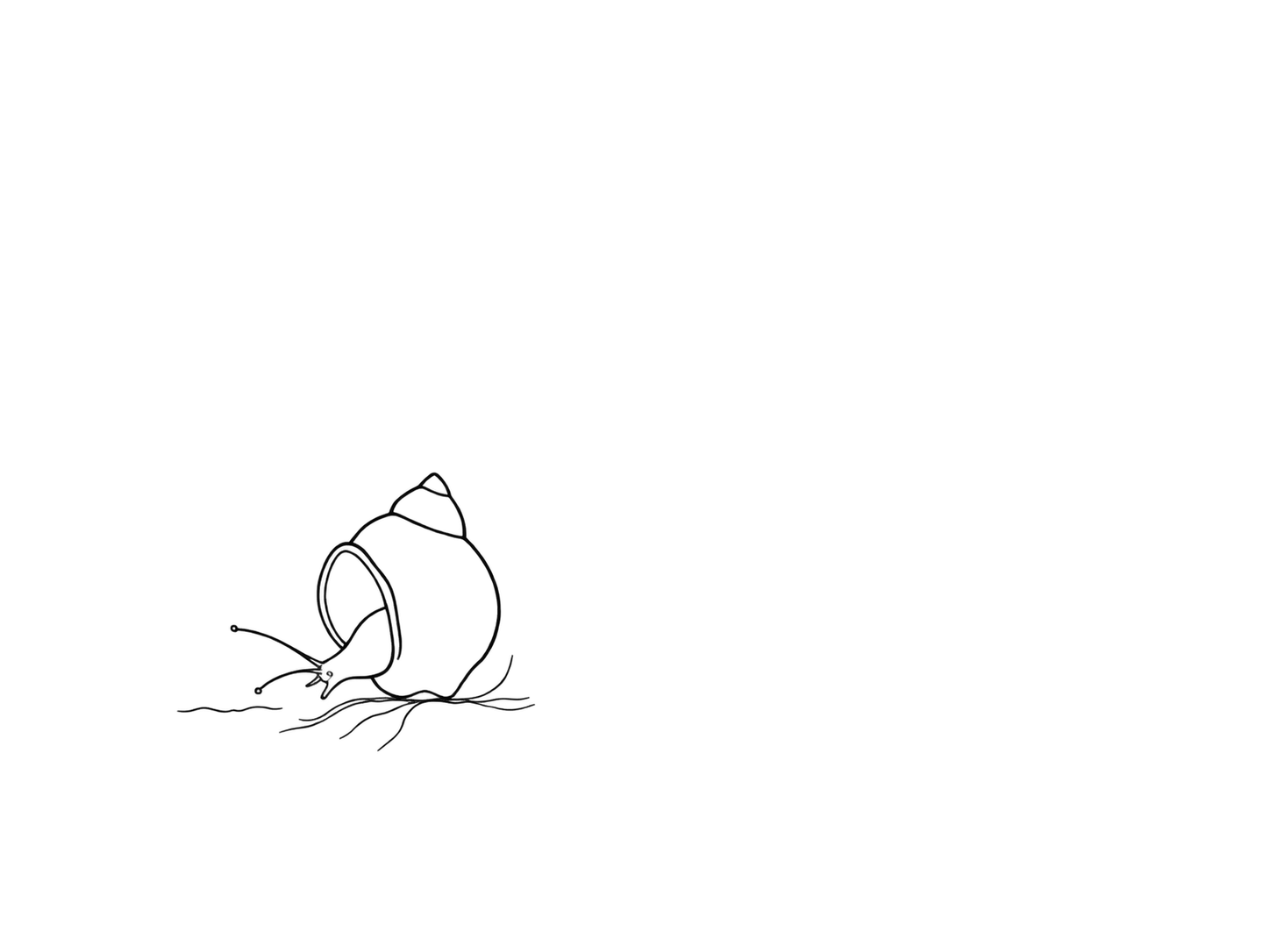
This snail's entire natural range lies in a few Banff hot-spring systems.

The Banff Springs snail is tiny, and so is its home. Its natural distribution is limited to a few hot-spring systems in Banff, where it often occupies damp edges and microbial mats near the water surface. To a visitor, this may be a pool passed on a short stop. For the species, changes in temperature, water quality, or the surface happen within a very limited home. The line beside the pool protects a neighbor with few alternatives.

Source: canada.ca Source: parks.canada.ca

04 · Lake Louise · public lakeshore

A castle built again each winter

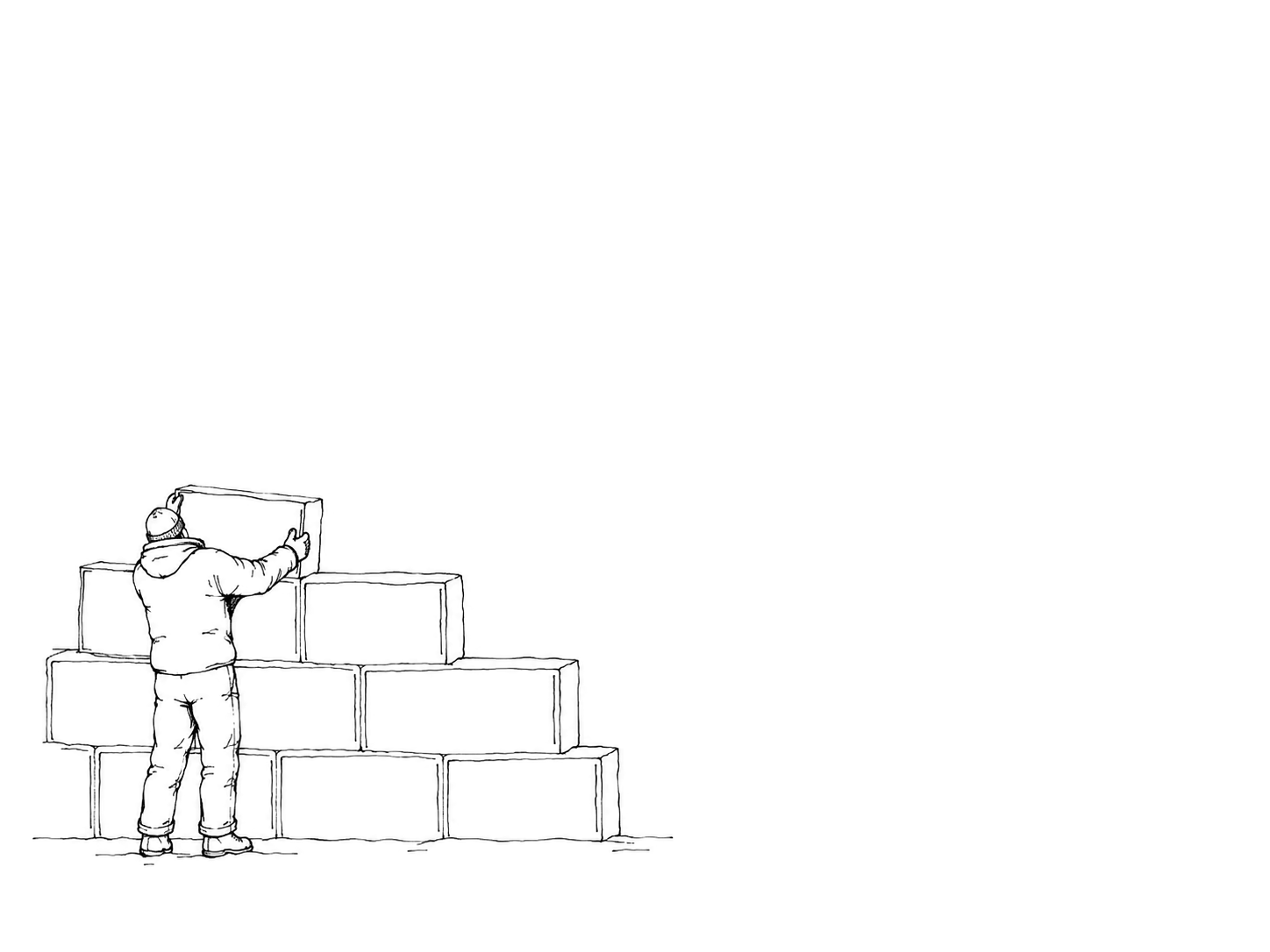
Winter brings a castle assembled afresh from blocks of ice on the summer lake.

After Lake Louise freezes, workers still have to clear snow and add water to prepare a surface for skating. Blocks of ice are brought in and built into a castle that stands for a winter. Visitors see ice walls and peaks; daily maintenance happens behind that view. The castle is not moved away whole for safekeeping in spring. When it returns, it has to be built again.

Source: chateau-lake-louise.com Source: chateau-lake-louise.com

Continue in the app

Carry all 31 Banff stories with you

Read without location access. Pass-by reminders are optional, and precise location is never uploaded.