Conservators removed the Four Deities and Clouds mural from the ceiling of the Shiyuan tomb and moved the original to Henan Museum. On Mangdang Mountain, place names put characters from Romance of the Three Kingdoms beside characters from Water Margin. Bianzhuang performers tell stories with nao cymbals and clappers, while combine operators follow the ripening wheat from village to village.
4 web previews ·34 stories in the app
Tomb of King Liang Gong in Shiyuan · Editorial illustration, not a historical photo
From a removed tomb mural to machines chasing the wheat
A moved mural, neighboring novels, nao storytelling, and harvest crews
Four complete stories and their public sources are shown here; the rest of the collection is in the app.
01 · Tomb of King Liang Gong in Shiyuan
The Tomb-Ceiling Mural Left the Tomb
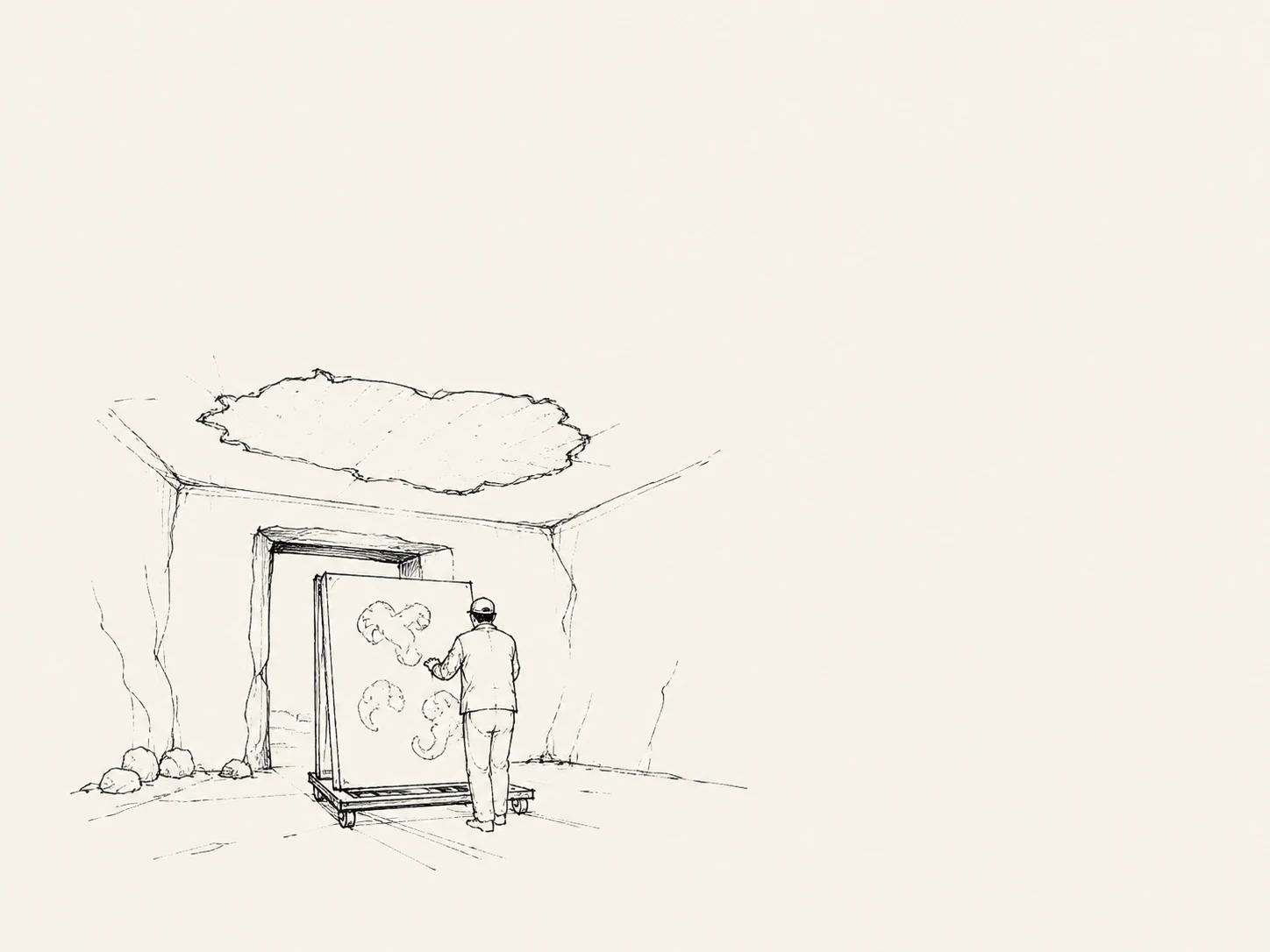
The Four Deities and Clouds Mural came from here; the original is now in the Henan Museum.
The ceiling of the Shiyuan tomb of King Gong of Liang once carried the Four Deities and Clouds Mural, with a dragon, tiger, and flowing clouds stretching overhead. Conservators detached and stabilized the original before moving it to the Henan Museum. An on-site reproduction now marks the ceiling area the mural once occupied. The separation shows the price of protecting a fragile artifact from the tomb's damp environment.
Novel Characters Gave Two Hillside Spots Their Names
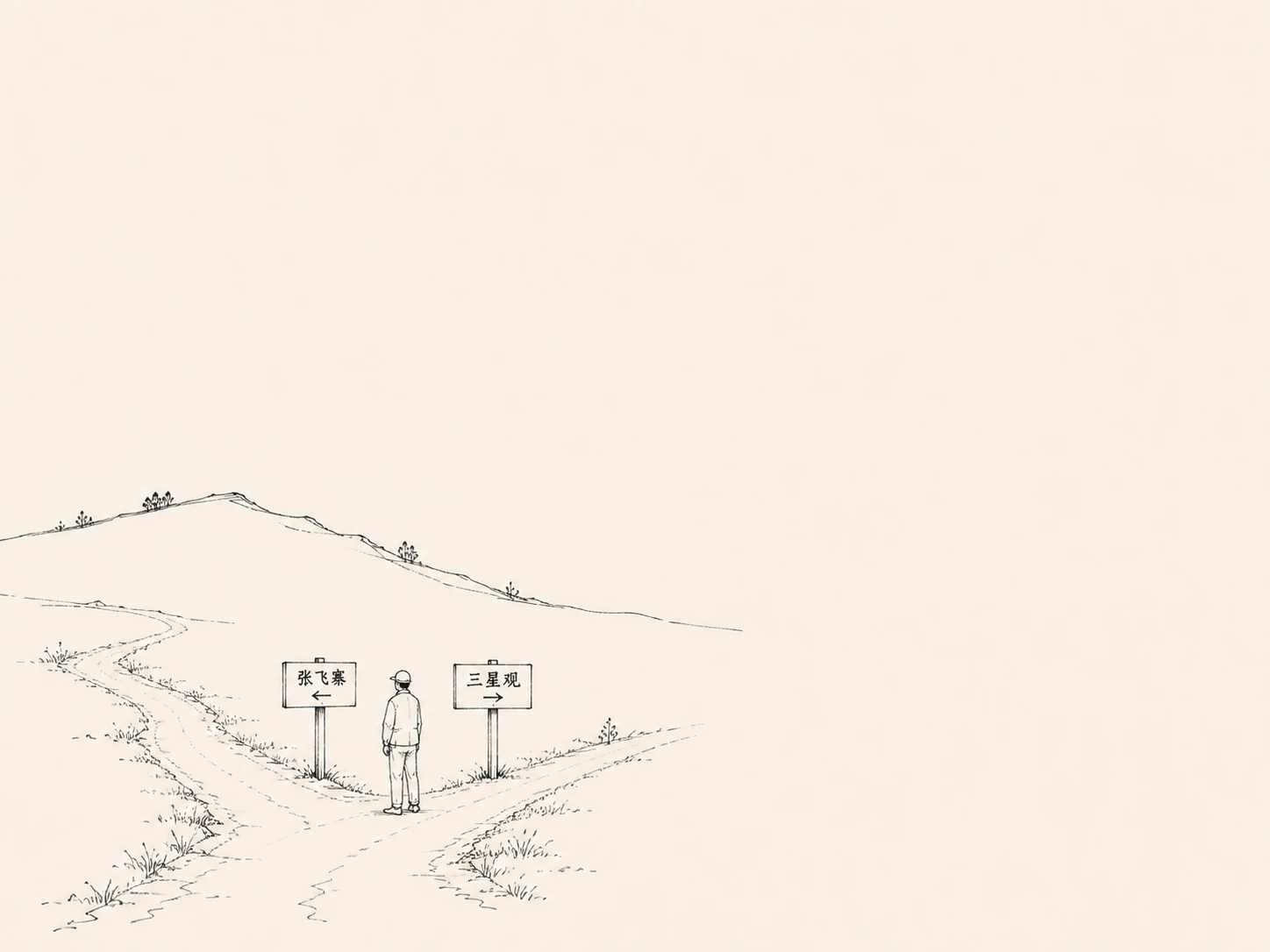
Zhang Fei and Fan Rui never arranged to meet, but Mangdangshan has saved a place-name for each of them.
The Dahan Xiongfeng scenic area has a Zhangfei Stockade and a Sanxing Temple. Local tradition gives the first to Zhang Fei of Romance of the Three Kingdoms and links the second to Fan Rui, Xiang Chong, and Li Gun, the Mangdangshan trio in Water Margin. Water Margin really does place those three on Mangdangshan, but the scenic names are later literary associations, not proof that the characters built camps here. The two novels live in different dynasties and storylines. Only on this low mountain did their casts become neighbors.
03 · Public road in Bianzhuang Village, Peiqiao Town
Cymbals Tell the Story without Strings
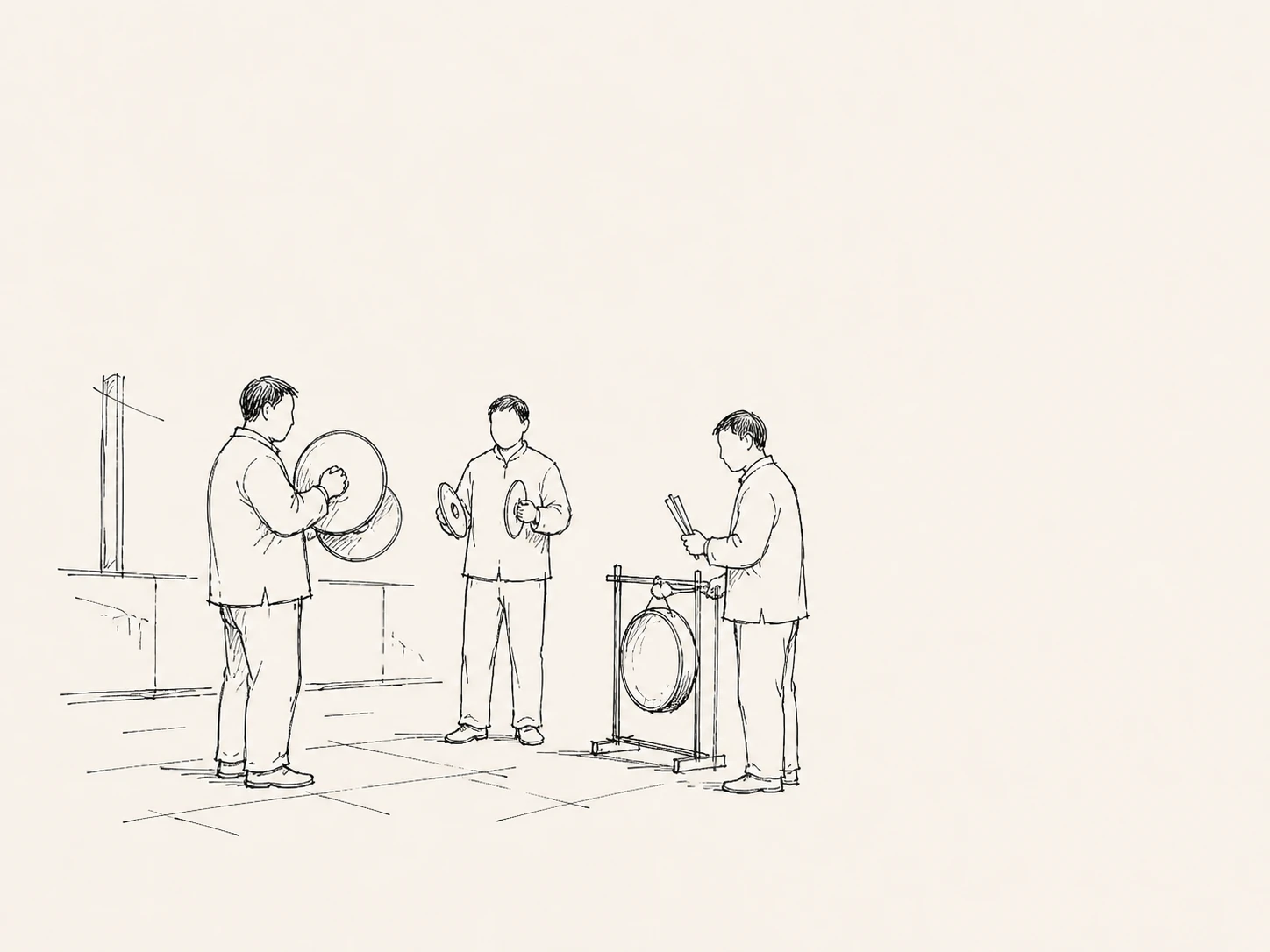
Cymbals and bamboo clappers carry the beat while the singers move the plot.
Yongcheng danao storytelling uses large and small cymbals, gongs, drums, and bamboo clappers instead of a string ensemble. Sung verse carries the characters and plot. Local records trace Bianzhuang's troupe tradition to the late Qing and early Republican periods; later groups performed at squares and festivals. Clear storytelling depends on the group's coordination. The public village lane is the viewpoint; performers' homes remain private.
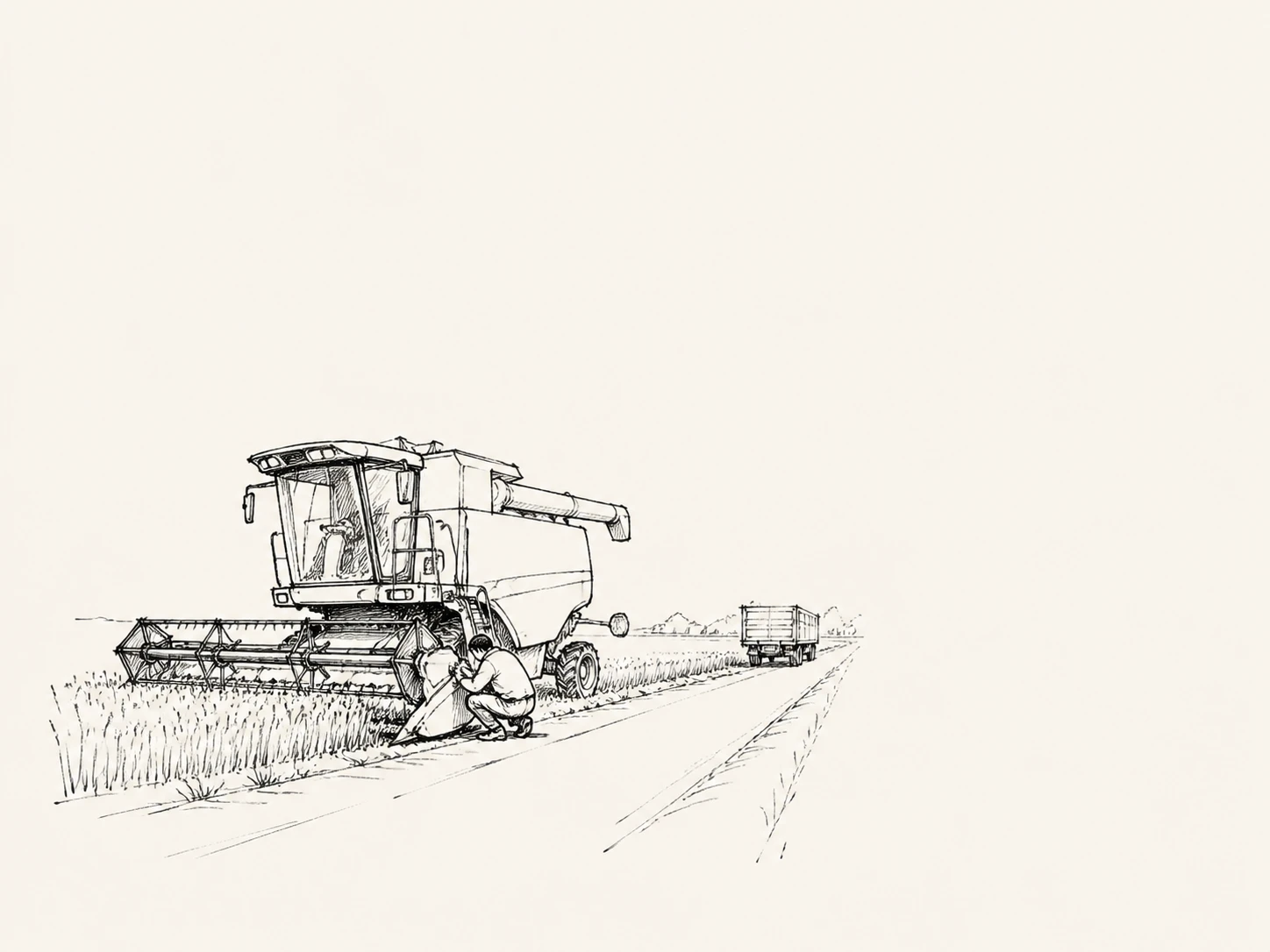
Sickles once followed the ripening grain; now combine crews chase the same seasonal line.
Maike once carried sickles from place to place, hiring on wherever wheat had ripened. Combine harvesters changed the scale of the work, but cross-regional crews still follow the season. A report from Zhongzhuang described this modern version: operators inspect the header, unload grain, and move on to the next ready field. Ripening dates shift each year, so there may be nothing to see. If a crew is working, watch from the village road rather than entering the field.